





Beggarticks
Bidens
Beggarticks are bright yellow flowers that bloom in late summer and fall. They grow in many places and are loved by butterflies and bees for their sweet nectar.
Habitat: Wetlands
The Beggarticks has bright yellow, daisy-like flowers, often with dark centers, contrasting with its deep green, often serrated leaves. Its seeds are small, dark, and typically have barbed bristles, making them distinctive and sticky.
Category
PlantsRarity
Common
Danger
1/5 · Very low
Snaps
Be the first to snap!
Wow! Beggarticks can often grow very quickly, sometimes reaching over five feet tall!
Wow! Some Beggarticks species can help clean polluted soil by absorbing heavy metals!
Wow! The name 'Bidens' means 'two teeth', describing the barbs on its seeds!
Wow! Young Beggarticks leaves can be cooked and eaten, like a wild spinach!
Beggarticks has tiny barbed seeds that stick to fur or clothes, helping them travel far to new growing spots.
Beggarticks flowers offer abundant nectar and pollen, attracting many insects for pollination.
Beggarticks can thrive in very wet, even flooded soils, allowing it to colonize areas other plants can't.
Apis mellifera
Gathers nectar and pollen from flowers.
Vanessa cardui
Feeds on nectar, helping to transfer pollen.
Myzus persicae
Sucks nutrient-rich sap from tender stems.
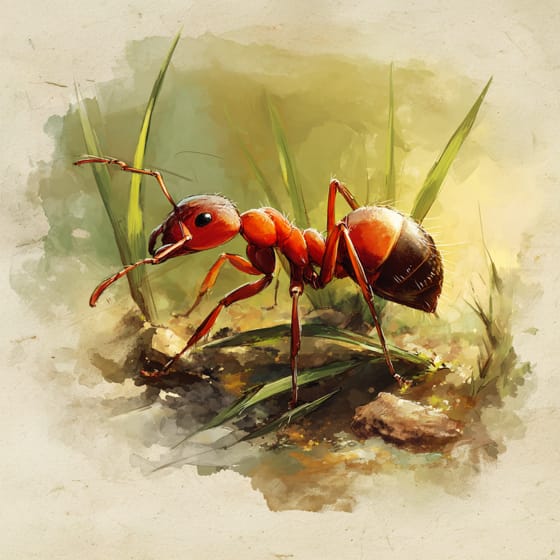
Solenopsis invicta
Ants sometimes collect and consume seeds.
Homo sapiens
People consume young leaves as a vegetable.
Flowering plants are any plants that produce flowers as part of their reproductive cycle.
Summer blooming plants produce their flowers during the summer season, often providing vibrant color when many other plants have finished.
Fragrant flowers emit a pleasant aroma, often to attract pollinators or for defense.
Edible plants are those parts of a plant that are considered safe for human consumption.

Describes plants that are particularly attractive and beneficial to a wide range of pollinating organisms.

This habitat trait identifies species found in wetlands, which are areas of land saturated with water, either permanently or seasonally, including marshes, swamps, and bogs.
Danger
1/5 · Very low
While these flowers are not harmful, it's best to avoid touching any plants without asking an adult.
The easiest way to identify Beggarticks is to use the Snappit nature identifier app.
30-150 cm
20-80 cm
1-3 cm
Late Summer to Fall
Yes
None
Annual
Zoom in to split clusters and explore where this object has been snapped.
Recent snaps will appear here as new observations are added.
Take the discovery with you
Snap it with Snappit to identify it, learn what makes it special, and add the discovery to your collection.








.jpg&width=800)


_001.jpg&width=800)



