





Bicolor Fanmustard
Nerisyrenia camporum
Bicolor Fanmustard is a colorful plant with bright yellow flowers and green leaves. It grows in open areas and is a fun sight to see in nature!
Habitat: Grasslands
The Bicolor Fanmustard has striking fan-shaped basal leaves, often forming a rosette. Its delicate flowers are typically bicolored, displaying shades from creamy white to pale lavender or purple, creating a soft, colorful display on slender stems.
Category
PlantsRarity
Common
Danger
1/5 · Very low
Snaps
Be the first to snap!
Bicolor Fanmustard helps stabilize loose soil with its roots in windy, dry areas.
Even in tough, sunny spots, its bright flowers bring a splash of unexpected color.
Its unique fan-shaped leaves give this plant its special 'Fanmustard' name!
This hardy plant is a relative of cabbage, broccoli, and other yummy veggies.
Bicolor Fanmustard can thrive in dry, rocky soils that other plants avoid, helping it survive harsh conditions.
Its two-toned flowers are like a bright signal, helping it attract busy bees and butterflies for pollination.
Bicolor Fanmustard has tiny seeds that are easily dispersed by wind, helping it spread to new places.
Apis mellifera
Visits flowers for nectar and pollen.
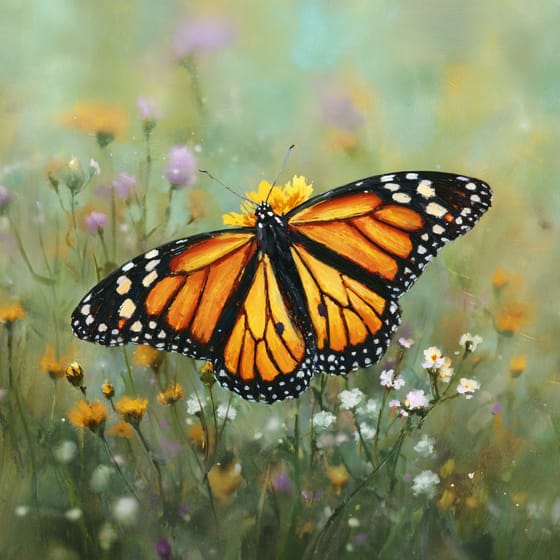
Danaus plexippus
Drinks nectar from its delicate flowers.
_(11-8-13)_ben-rio_grande_state_park%2C_mission%2C_tx_-01_(10750151035).jpg&width=800)
Sigmodon hispidus
Small mammals may nibble on leaves and stems.
Ornamental plants are cultivated primarily for their aesthetic appeal, enhancing landscapes and gardens with their attractive foliage, flowers, or form.
Spring blooming plants produce their flowers during the spring season, often signifying the end of winter and the start of new growth.
Colorful describes organisms or objects displaying a wide range of bright and distinct colors.
Edible plants are those parts of a plant that are considered safe for human consumption.

Grassland habitats are terrestrial biomes dominated by grasses and herbaceous plants, supporting a variety of grazing animals.

Describes plants that are particularly attractive and beneficial to a wide range of pollinating organisms.

Rapid growing plants exhibit accelerated growth rates, quickly increasing in size and biomass within a short period.
No aliases listed yet.
Danger
1/5 · Very low
Always look but don't touch plants unless you know they are safe.
The easiest way to identify Bicolor Fanmustard is to use the Snappit nature identifier app.
15-45 cm
10-20 cm
1-2 cm
Spring to Fall
No
None
Perennial
Zoom in to split clusters and explore where this object has been snapped.
Recent snaps will appear here as new observations are added.
Take the discovery with you
Snap it with Snappit to identify it, learn what makes it special, and add the discovery to your collection.









.jpg&width=800)



_001.jpg&width=800)



