_(11-8-13)_ben-rio_grande_state_park%2C_mission%2C_tx_-01_(10750151035).jpg&width=800)





Hispid Cotton Rat
Sigmodon hispidus
The Hispid Cotton Rat is a small, furry animal that loves to live in grassy areas. They have soft fur and big ears, making them cute and fun to watch as they scurry around!
Habitat: Grasslands
The Hispid Cotton Rat has a coarse, bristly coat of grizzled gray-brown fur, with lighter white or buff fur on its belly. It has a stocky body, short ears, and a medium-length tail, making it look robust.
Category
MammalsRarity
Common
Danger
1/5 · Very low
Snaps
5
A mother cotton rat can have up to 15 babies in a single litter, wow!
Cotton rats actually got their name because they love to line their nests with cotton!
They make neat 'runways' through tall grass, like secret highways for their family!
They sometimes 'clip' tall grass stems, leaving little hay piles to dry!
Hispid Cotton Rat has a stiff, coarse coat that helps protect it from minor injuries and predators.
Hispid Cotton Rat can have many litters each year, allowing its population to grow quickly in good conditions.
Hispid Cotton Rat can clip tall grass stems with its sharp teeth, creating clear paths and gathering food.
Hispid Cotton Rat builds intricate nests of grass and plant fibers to keep its babies safe and warm.
This rat mostly eats plants like grass and seeds, but also enjoys the occasional insect.
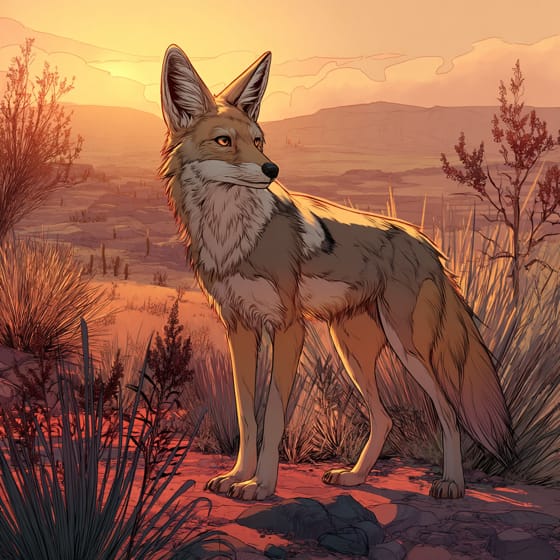
Canis latrans
A common predator in its range.

Bubo virginianus
Hunts cotton rats from above at night.
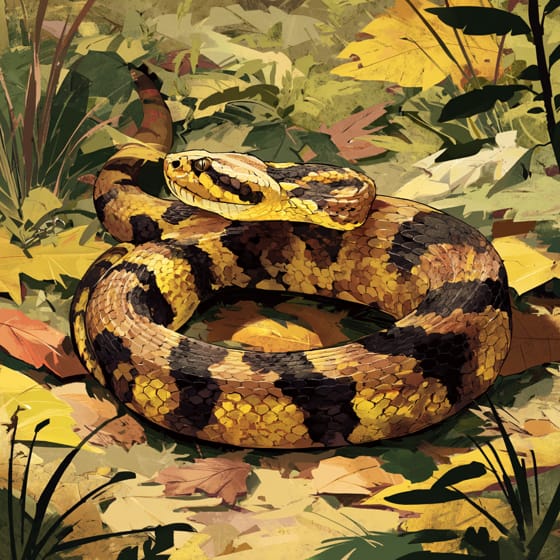
Crotalus horridus
Ambushes cotton rats in grassy habitats.

Sorghum bicolor
Consumes seeds and stems of this common crop.
Schistocerca americana
An occasional insect part of its varied diet.
Furry describes animals possessing a dense covering of soft hair or fur.
Social animals live in organized groups, cooperating for survival benefits such as foraging, defense, and raising offspring.
Burrowing animals dig tunnels and chambers in the ground, using these subterranean structures for shelter, hunting, or breeding.
Grassland habitats are terrestrial biomes dominated by grasses and herbaceous plants, supporting a variety of grazing animals.

This trait characterizes organisms whose diet consists entirely or primarily of plant material.

This trait identifies organisms that exhibit exceptional swiftness in movement for hunting, escape, or travel.
No aliases listed yet.
Danger
1/5 · Very low
Do not try to catch or touch wild animals. It's best to watch them from a distance!
The easiest way to identify Hispid Cotton Rat is to use the Snappit nature identifier app.
20-36 cm
0.05-0.25 kg
1-2 years
13 km/h
This rat mostly eats plants like grass and seeds, but also enjoys the occasional insect.
Grasslands
Foraging
Zoom in to split clusters and explore where this object has been snapped.

Oklahoma, US
You might spot Western Ratsnake and Spotted Chorus Frog.
View guide →

Florida, US
You might spot American Alligator, Brown Anole, and Red-Shouldered Hawk.
View guide →

Mississippi, US
You might spot Gulf Fritillary, Gray Ratsnake, and Spotted Orbweavers.
View guide →

Alabama, US
You might spot Mediterranean House Gecko and Asian Lady Beetle.
View guide →

Tennessee, US
You might spot North American River Otter and Sand Tiger Shark.
View guide →

Florida, US
You might spot False Rosemary, Willet, and Florida Rosemary.
View guide →
Take the discovery with you
Snap it with Snappit to identify it, learn what makes it special, and add the discovery to your collection.




.jpg&width=800)



.JPG&width=800)
.jpg&width=800)
