





Bird'S-Eye Gilia
gilia tricolor
The Bird'S-Eye Gilia is a beautiful wildflower that can make anyone smile with its bright colors! It attracts many butterflies and bees, making gardens come alive in springtime.
Habitat: Sunny meadows and grasslands
The Bird'S-Eye Gilia has delicate, cup-shaped flowers typically displaying shades of blue, purple, or white. Each bloom features a striking yellow throat encircled by dark purple or black spots, creating a distinct 'bird's eye' pattern. These colorful markings make it visually unique among wildflowers.
Category
PlantsRarity
Common
Danger
0/5 · No known danger
Snaps
2
Bird'S-Eye Gilia lives for just one year, but it produces hundreds of seeds for the next season!
Each tiny flower has a distinctive dark spot, making it look just like a real bird's eye!
Its scientific name 'tricolor' means 'three colors' because its flowers often show three hues!
This amazing plant can bloom so thickly that fields look like carpets of colorful stars!
Bird'S-Eye Gilia releases a sweet, noticeable fragrance that helps it attract pollinating insects from a distance.
Bird'S-Eye Gilia has contrasting color patterns on its petals, guiding insects directly to the nectar and pollen.
Bird'S-Eye Gilia produces numerous tiny seeds that scatter easily, helping it quickly spread to new areas.
Apis mellifera
Gathers nectar and pollen for its colony.
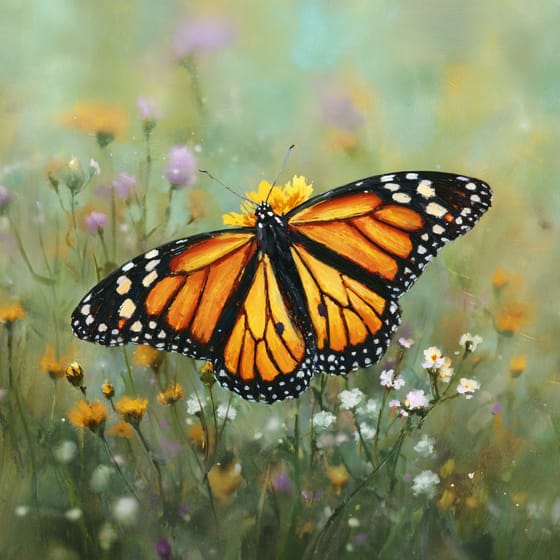
Danaus plexippus
Feeds on nectar, helping to spread pollen.

Bombus vosnesenskii
Collects nectar and pollen, aiding reproduction.
Solitary animals live alone for most of their lives, only interacting with others for mating or parental care.
Colorful describes organisms or objects displaying a wide range of bright and distinct colors.
This trait characterizes organisms whose diet consists entirely or primarily of plant material.
Diurnal animals are primarily active during daylight hours, typically resting or sleeping at night.

Describes organisms that transfer pollen, enabling the fertilization and reproduction of plants.
Danger
0/5 · No known danger
No special safety notes yet.
The easiest way to identify Bird'S-Eye Gilia is to use the Snappit nature identifier app.
10-50 cm
1-2 cm
Spring_to_early_summer
No
None
Annual
Insect
Zoom in to split clusters and explore where this object has been snapped.

Utah, US
You might spot Duck, Gambel Oak, and Box Elder.
View guide →

Utah, US
You might spot Duck, Gambel Oak, and Box Elder.
View guide →
Washington, US
You might spot Tiger, White Tiger, and Black Bear.
View guide →
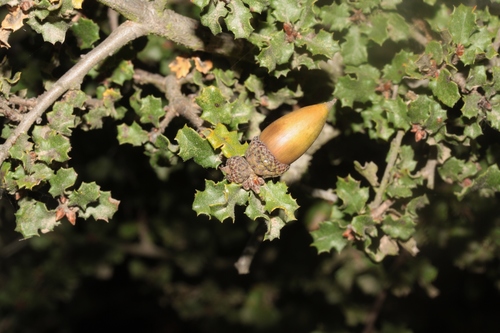
California, US
You might spot Nuttall's Scrub Oak and House Finch.
View guide →
Take the discovery with you
Snap it with Snappit to identify it, learn what makes it special, and add the discovery to your collection.









.jpg&width=800)



_001.jpg&width=800)




