





Biting Stonecrop
Sedum acre
Biting Stonecrop is a small, cheerful plant with bright yellow flowers. It grows in rocky places and can be found in gardens and on walls. This plant is tough and can survive in many conditions!
Habitat: Urban areas
The Biting Stonecrop is a low-growing plant with numerous small, fleshy, bead-like green leaves that form a dense mat. It produces clusters of bright, star-shaped yellow flowers, making it visually distinct from most other ground covers.
Category
PlantsRarity
Common
Danger
1/5 · Very low
Snaps
2
Even its name, 'Biting Stonecrop,' hints at a peppery taste!
Its leaves are so juicy, they often look like tiny green beads!
This tough plant can live on rooftops and stone walls without much soil!
When it blooms, it covers dry spots with a carpet of bright yellow stars!
Biting Stonecrop can store water in its thick, succulent leaves, allowing it to survive long dry periods.
Biting Stonecrop has a peppery, acrid taste that helps it deter hungry animals from taking a bite.
Biting Stonecrop can grow in very shallow soil on rocks and walls, where few other plants can take root.
Biting Stonecrop has a creeping growth habit that helps it spread quickly and cover bare ground efficiently.
Apis mellifera
Bees are attracted to its bright yellow flowers.
Bombus impatiens
Bumblebees visit its flowers for nectar and pollen.
Arion vulgaris
Slugs may occasionally feed on its succulent leaves.
Pieris rapae
Butterflies are drawn to the nectar of its flowers.
Flowering plants are any plants that produce flowers as part of their reproductive cycle.
Summer blooming plants produce their flowers during the summer season, often providing vibrant color when many other plants have finished.
Drought-tolerant plants can survive and flourish in conditions with limited water availability.
Succulent plants have thickened, fleshy parts, usually leaves or stems, adapted to store water in arid climates.

Colorful describes organisms or objects displaying a wide range of bright and distinct colors.

Describes plants that are particularly attractive and beneficial to a wide range of pollinating organisms.

This habitat trait indicates species that can coexist with humans in urban and suburban environments, utilizing man-made structures and green spaces.
Danger
1/5 · Very low
Always wash your hands after touching plants, just to be safe!
The easiest way to identify Biting Stonecrop is to use the Snappit nature identifier app.
5-15 cm
15-60 cm
1-2 cm
Late spring to mid-summer
No
Mild
Perennial
Zoom in to split clusters and explore where this object has been snapped.

New York, US
You might spot Canada Goose, Duck, and Eastern Gray Squirrel.
View guide →

Pennsylvania, US
You might spot Common Eastern Bumble Bee and Queen Anne's Lace.
View guide →

New Jersey, US
You might spot Eastern Newt, Spongy Moth, and Viper's-Bugloss.
View guide →
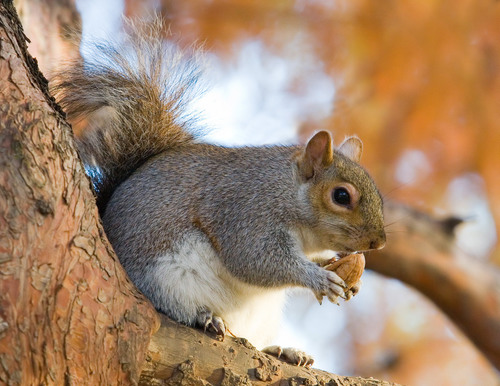
New York, US
You might spot Eastern Gray Squirrel, Snow Goose, and Great Blue Heron.
View guide →
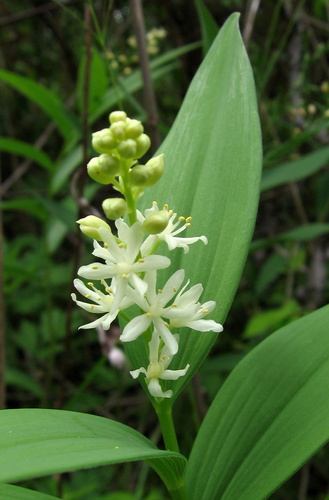
Michigan, US
You might spot Star-Flowered Lily-Of-The-Valley and Common Silverweed.
View guide →
Pennsylvania, US
You might spot African Lion, Tiger, and Southern White Rhinoceros.
View guide →
Take the discovery with you
Snap it with Snappit to identify it, learn what makes it special, and add the discovery to your collection.








.jpg&width=800)



_001.jpg&width=800)




