





Black Chokeberry
aronia melanocarpa
Black Chokeberry plants have shiny black berries that taste a little tart! They are great for making delicious jams and are loved by many birds.
Habitat: Black Chokeberry grows in wet areas like swamps, forests, and along riverbanks.
The Black Chokeberry is a bushy shrub featuring clusters of small white flowers in spring. Its glossy green leaves transform into stunning shades of red and purple in autumn. It's easily identified by its abundant, pea-sized, deep purple-black berries that persist through winter.
Category
PlantsRarity
Common
Danger
1/5 · Very low
Snaps
2
Many birds love to munch on these dark, healthy berries.
People call them 'superfruits' because they are packed with good stuff!
The berries are super tart raw, making your mouth pucker up!
This tough bush can grow happily even in freezing cold winters.
Black Chokeberry can grow in many tough places, like wet or dry soils, helping it survive where other plants cannot.
Black Chokeberry produces loads of dark berries, giving birds and animals plenty of food in fall and winter.
Its leaves turn vibrant red and purple in autumn, helping it stand out and attract attention for seed dispersal.
Apis mellifera
visits flowers for nectar
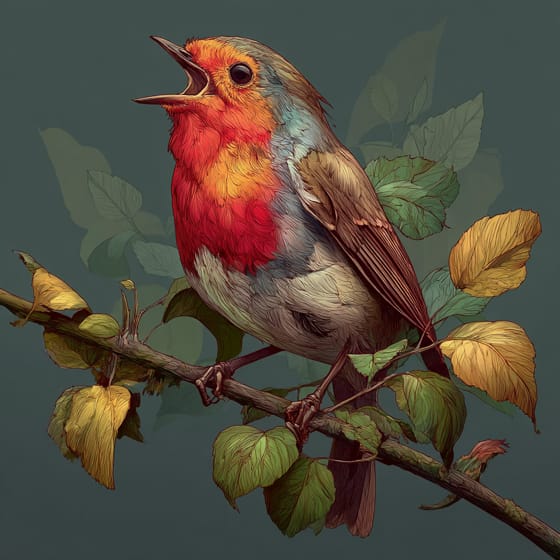
Turdus migratorius
eats its nutritious berries

Odocoileus virginianus
browses its leaves and twigs
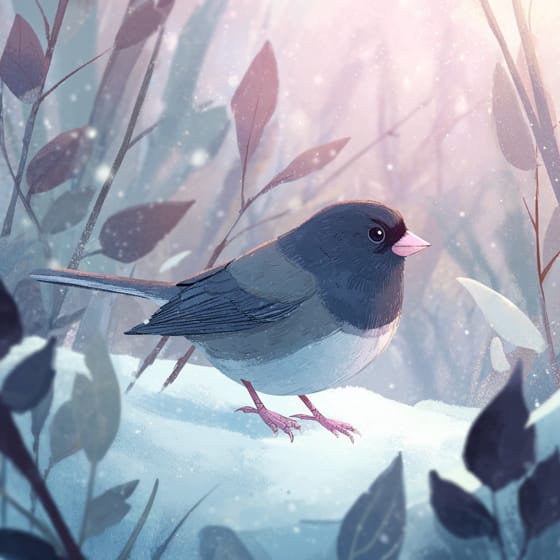
Junco hyemalis
hides in its dense branches
Social animals live in organized groups, cooperating for survival benefits such as foraging, defense, and raising offspring.
Colorful describes organisms or objects displaying a wide range of bright and distinct colors.
This trait characterizes organisms whose diet consists entirely or primarily of plant material.
Forest habitats are terrestrial environments dominated by dense tree cover, supporting a high diversity of plant and animal life.

Describes organisms that transfer pollen, enabling the fertilization and reproduction of plants.
Danger
1/5 · Very low
No special safety notes yet.
The easiest way to identify Black Chokeberry is to use the Snappit nature identifier app.
100-300 cm
100-200 cm
1-1.5 cm
Late spring to early summer
Yes
None
Perennial
Zoom in to split clusters and explore where this object has been snapped.

Maryland, US
You might spot Duck, Red-Winged Blackbird, and American Bullfrog.
View guide →

New York, US
You might spot White-Tailed Deer, Eastern Skunk Cabbage, and Duck.
View guide →

New York, US
You might spot White-Tailed Deer, Eastern Skunk Cabbage, and Duck.
View guide →

Washington, US
You might spot California Bumble Bee and Yellow-Faced Bumble Bee.
View guide →
Take the discovery with you
Snap it with Snappit to identify it, learn what makes it special, and add the discovery to your collection.








.jpg&width=800)



_001.jpg&width=800)




