





Black Crowned Crane
Balearica pavonina
The Black Crowned Crane is a beautiful bird with a striking black crown and long legs. It loves to dance and can often be seen hopping around in wetlands and grasslands.
Habitat: Wetlands
The Black Crowned Crane has a mostly slate-grey to black body with striking white wing patches and a bright red gular sac. Its most distinctive feature is the stiff, golden bristly crown of feathers atop its head, making it truly regal.
Category
BirdsRarity
Common
Danger
1/5 · Very low
Snaps
Be the first to snap!
Cranes are famous for their amazing, energetic courtship dances!
Their ancient ancestors date back millions of years, making them living fossils!
They are one of only two crane species that can comfortably perch in trees!
Unlike most cranes, these birds prefer to wander locally rather than migrate far.
Black Crowned Cranes can perform elaborate leaps and bows, because it helps them attract a mate during courtship.
Black Crowned Cranes have a long, coiled windpipe that helps them make loud, trumpeting calls across their habitat.
Black Crowned Cranes can build floating nests on water plants, because it keeps their eggs safe from ground predators.
Black Crowned Cranes can comfortably perch in trees, a rare ability among cranes that helps them rest safely.
Omnivorous, they munch on plants, seeds, insects, and small animals found in wetlands and grasslands.
Panthera leo
Lions can ambush cranes near water sources.
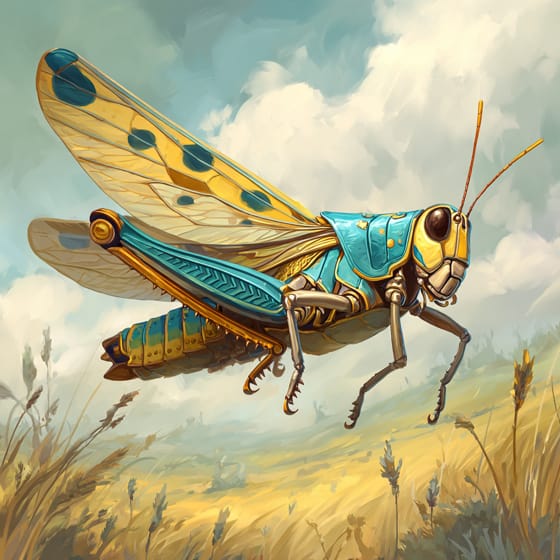
Locusta migratoria
Cranes hunt and eat large insect swarms.
Python sebae
Large pythons prey on adult cranes.
Tilapia zillii
They catch small fish from shallow waters.
Feathered describes animals, primarily birds, possessing a covering of feathers.
Crested describes animals possessing a prominent tuft of feathers, hair, or skin on their head.
Social animals live in organized groups, cooperating for survival benefits such as foraging, defense, and raising offspring.
This trait identifies organisms whose diet includes both plant and animal matter.

Colorful describes organisms or objects displaying a wide range of bright and distinct colors.

Grassland habitats are terrestrial biomes dominated by grasses and herbaceous plants, supporting a variety of grazing animals.

This habitat trait identifies species found in wetlands, which are areas of land saturated with water, either permanently or seasonally, including marshes, swamps, and bogs.

Diurnal animals are primarily active during daylight hours, typically resting or sleeping at night.

Endangered status indicates a species is at a very high risk of extinction in the wild in the near future.
Danger
1/5 · Very low
Always watch birds from a distance and do not try to touch them.
The easiest way to identify Black Crowned Crane is to use the Snappit nature identifier app.
90-105 cm
180-200 cm
3-4 kg
20-25 years
60 km/h
Omnivorous, they munch on plants, seeds, insects, and small animals found in wetlands and grasslands.
Wetlands
Zoom in to split clusters and explore where this object has been snapped.
Recent snaps will appear here as new observations are added.
Take the discovery with you
Snap it with Snappit to identify it, learn what makes it special, and add the discovery to your collection.






.jpg&width=800)








