





Black-dotted Ruddy Moth
Ilexia intractata
The Black-dotted Ruddy Moth is a small, colorful moth with beautiful patterns. It has black dots on its wings that make it look like it's wearing a fancy coat!
Habitat: Urban areas, gardens
The Black-dotted Ruddy Moth has a distinctive warm reddish-brown body and forewings, which are covered with scattered, small black spots. Its hindwings are typically plainer and a lighter, duller brown, creating a subtle contrast. This coloration helps it visually blend with dried leaves and tree bark.
Category
InsectsRarity
Common
Danger
1/5 · Very low
Snaps
Be the first to snap!
Adult Black-dotted Ruddy Moths only live a few weeks, focusing all energy on laying eggs!
Its caterpillar stage looks completely different, often green and blends with leaves!
Some moths can even 'hear' bats coming and quickly drop to safety mid-flight!
This moth feels vibrations through tiny hairs on its body, even without ears!
Black-dotted Ruddy Moth has a ruddy color and black spots that help it blend seamlessly with tree bark and dried leaves, hiding from predators.
Black-dotted Ruddy Moth can unfurl a long proboscis to drink sweet nectar from deep flowers, especially active under the cover of darkness.
Black-dotted Ruddy Moth has sensitive antennae that help it detect subtle air movements from predators or find mates in the dark.
As caterpillars, they munch on tree leaves; as adults, they sip sweet nectar from flowers.
Age differences: Larvae (caterpillars) feed on tree leaves, while adult moths feed on nectar and sometimes tree sap.
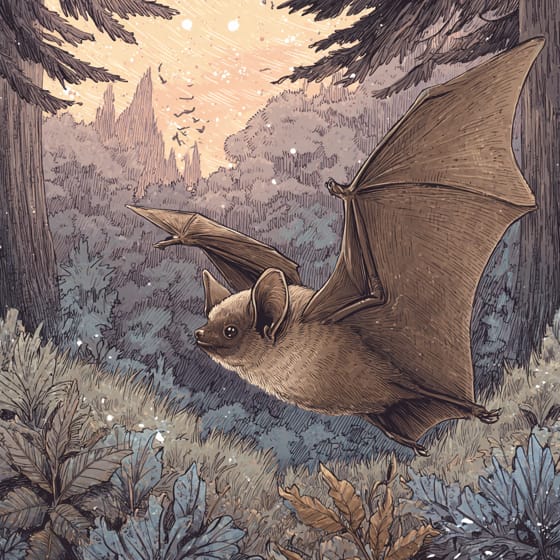
Myotis lucifugus
Bats are primary nocturnal predators of moths.
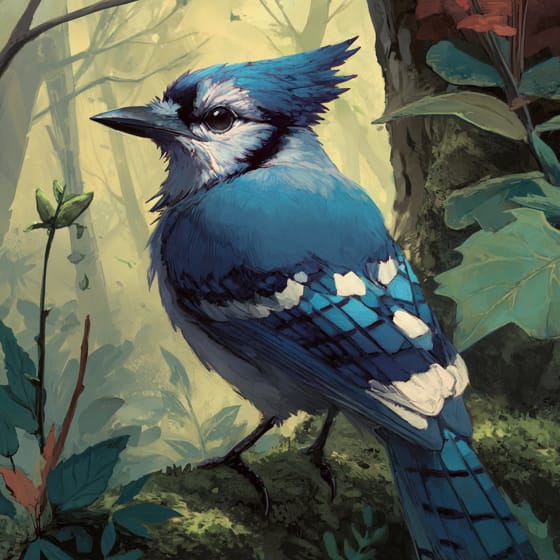
Cyanocitta cristata
Birds often catch moths during the day or at dawn.
Solidago canadensis
Adult moths visit goldenrod flowers for sweet nectar.
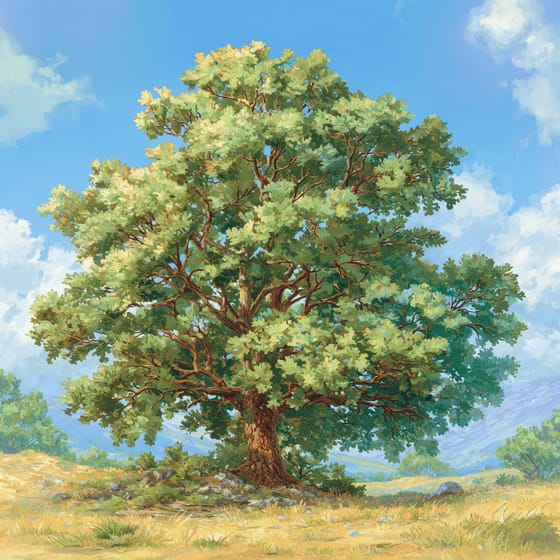
Quercus alba
Caterpillars feed on the leaves of oak trees.
Marked with spots or patches of a different color.
Colorful describes organisms or objects displaying a wide range of bright and distinct colors.
This trait characterizes organisms whose diet consists entirely or primarily of plant material.
Describes plants that are particularly attractive and beneficial to a wide range of pollinating organisms.

This habitat trait indicates species that can coexist with humans in urban and suburban environments, utilizing man-made structures and green spaces.

Nocturnal animals are primarily active during the nighttime hours, typically resting or sleeping during the day.

Describes organisms that transfer pollen, enabling the fertilization and reproduction of plants.
No aliases listed yet.
Danger
1/5 · Very low
Moths are harmless and fun to watch, but it's best to look without touching.
The easiest way to identify Black-dotted Ruddy Moth is to use the Snappit nature identifier app.
25-40 mm
10-18 mm
10-20 days
10 km/h
As caterpillars, they munch on tree leaves; as adults, they sip sweet nectar from flowers.
Urban areas, gardens
Foraging
Zoom in to split clusters and explore where this object has been snapped.
Recent snaps will appear here as new observations are added.
Take the discovery with you
Snap it with Snappit to identify it, learn what makes it special, and add the discovery to your collection.









.jpg&width=800)



