





Black Guillemot
Cepphus grylle
The Black Guillemot is a small bird that loves to swim and dive in the ocean. With its black feathers and bright red feet, it is a beautiful sight near the coast!
Habitat: Coastal areas
The Black Guillemot is a sleek seabird with a distinctive white patch on each black wing during summer. Its body is entirely black, contrasting sharply with its bright red legs and feet. In winter, its plumage changes to a mottled grey and white.
Category
BirdsRarity
Common
Danger
1/5 · Very low
Snaps
Be the first to snap!
Chicks are born dark and downy, able to swim the day they hatch!
Their bright red mouth lining flashes when calling, a secret signal!
They dig nesting burrows in soft cliff soil using their beak and feet.
They hide eggs deep inside rocky crevices, making nests tough to find.
Black Guillemots can 'fly' underwater, using their wings to propel themselves swiftly for diving after food.
Black Guillemots have feathers that dramatically change from black in summer to mottled white/gray in winter for camouflage.
Black Guillemots have bright red feet that act like built-in radiators, helping them regulate body temperature in water.
These speedy swimmers dive deep to catch small fish and yummy invertebrates from the ocean floor.
Ammodytes hexapterus
Primary prey for adults.
Pholis gunnellus
Common food source.
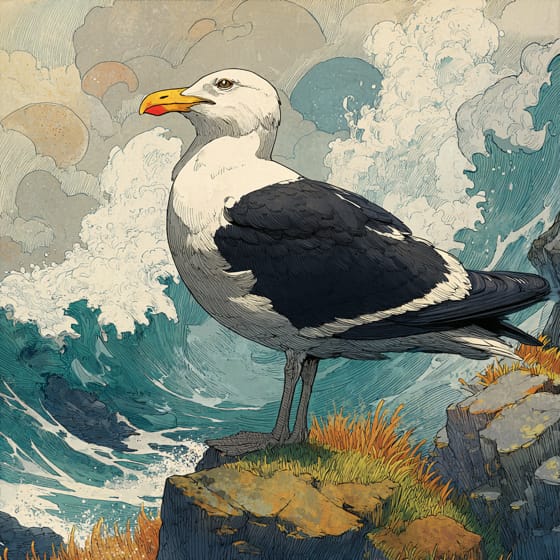
Larus marinus
Preys on eggs and chicks.
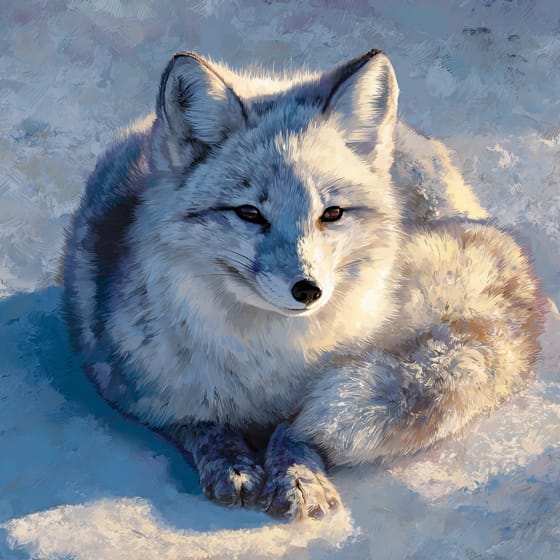
Vulpes lagopus
Hunts adults and chicks near colonies.
Feathered describes animals, primarily birds, possessing a covering of feathers.
Characterized by having toes connected by a membrane, typically aiding in swimming.
Social animals live in organized groups, cooperating for survival benefits such as foraging, defense, and raising offspring.
Piscivorous organisms are animals that primarily subsist on a diet of fish.

Coastal habitats are dynamic environments located along the interface between land and sea, influenced by tides, waves, and saltwater.

Diurnal animals are primarily active during daylight hours, typically resting or sleeping at night.

This trait identifies organisms that exhibit exceptional swiftness in movement for hunting, escape, or travel.

Marine habitats encompass all saltwater environments of the Earth's oceans, supporting an immense diversity of aquatic life.

Migratory animals undertake seasonal movements from one region to another, typically in response to changes in climate or food availability.

Endangered status indicates a species is at a very high risk of extinction in the wild in the near future.
No aliases listed yet.
Danger
1/5 · Very low
Always watch birds from a distance and do not disturb their nests.
The easiest way to identify Black Guillemot is to use the Snappit nature identifier app.
30-38 cm
49-58 cm
0.3-0.5 kg
10-15 years
70 km/h
These speedy swimmers dive deep to catch small fish and yummy invertebrates from the ocean floor.
Coastal areas
Zoom in to split clusters and explore where this object has been snapped.
Recent snaps will appear here as new observations are added.
Take the discovery with you
Snap it with Snappit to identify it, learn what makes it special, and add the discovery to your collection.




.jpg&width=800)








