





Black-headed Cardinal Beetle
Pyrochroa coccinea
The Black-headed Cardinal Beetle is a bright red bug with a shiny black head. It loves to be in gardens and forests, where it can find flowers and plants to munch on.
Habitat: Forests
The Black-headed Cardinal Beetle is easily recognized by its strikingly vivid red body and elytra, contrasting sharply with its matte black head, antennae, and legs. It has a distinctive flattened body shape, which helps it to hide. Its wing covers, or elytra, are notably soft compared to most beetles.
Category
InsectsRarity
Common
Danger
1/5 · Very low
Snaps
1
Adults are often seen on sunny days, but their larvae are secret underground predators!
Its larvae can live for up to three years, completely hidden under tree bark!
They are named 'cardinal' for their stunning red color, just like the robes of a cardinal!
Unlike most beetles, their fiery red wing covers are surprisingly soft to the touch!
Black-headed Cardinal Beetles have a vibrant red body that warns predators they might taste bad or be toxic.
Black-headed Cardinal Beetles can flatten their bodies to expertly squeeze into tight spaces under tree bark.
Black-headed Cardinal Beetle larvae can hunt and capture other insect larvae dwelling within dead wood.
Adults sip nectar and pollen from flowers, while their hungry larvae hunt other insects within wood.
Age differences: Larvae are carnivorous, feeding on other insect larvae found under bark. Adults are primarily herbivorous, consuming pollen and nectar.
Scolytus scolytus
Larvae prey on their larvae in dead wood.
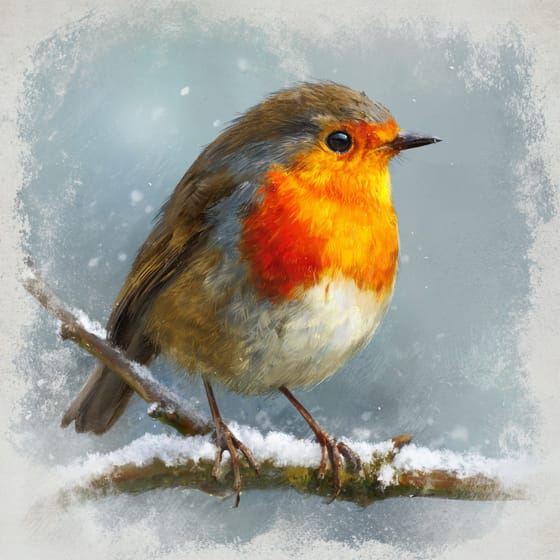
Erithacus rubecula
Adult beetles can be a food source for insectivorous birds.

Anthriscus sylvestris
Adults visit its flowers for nectar and pollen.
Social animals live in organized groups, cooperating for survival benefits such as foraging, defense, and raising offspring.
Colorful describes organisms or objects displaying a wide range of bright and distinct colors.
This trait characterizes organisms whose diet consists entirely or primarily of plant material.
Describes plants that are particularly attractive and beneficial to a wide range of pollinating organisms.

Forest habitats are terrestrial environments dominated by dense tree cover, supporting a high diversity of plant and animal life.

Diurnal animals are primarily active during daylight hours, typically resting or sleeping at night.

Describes organisms that transfer pollen, enabling the fertilization and reproduction of plants.
No aliases listed yet.
Danger
1/5 · Very low
Be gentle and watch where you step, as small bugs can be easily hurt.
The easiest way to identify Black-headed Cardinal Beetle is to use the Snappit nature identifier app.
10-14 mm
10-30 days
Adults sip nectar and pollen from flowers, while their hungry larvae hunt other insects within wood.
Forests
Foraging
6
Zoom in to split clusters and explore where this object has been snapped.
Take the discovery with you
Snap it with Snappit to identify it, learn what makes it special, and add the discovery to your collection.








.jpg&width=800)


