





Banded Tussock Moth
Halysidota tessellaris
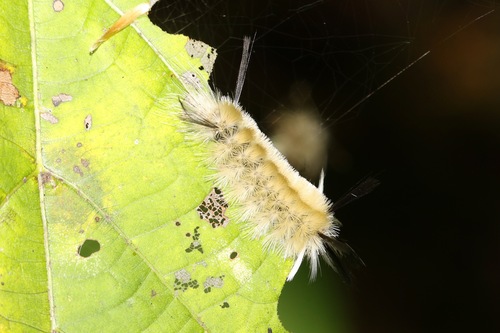
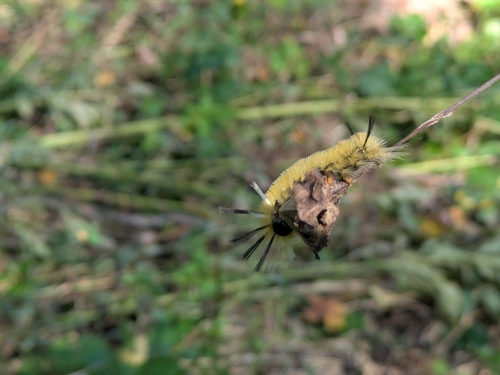
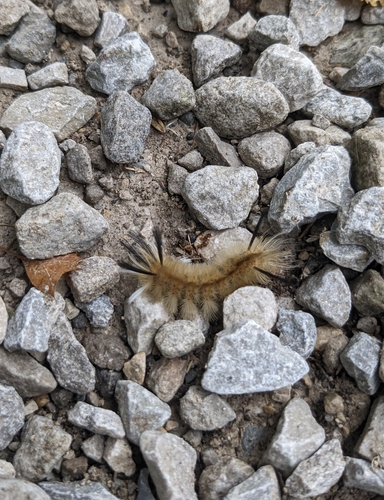
The Banded Tussock Moth is a fuzzy, colorful caterpillar that turns into a beautiful moth. It has bright yellow and black stripes that make it look like a little fuzzy bug with a big personality!
Habitat: Forests
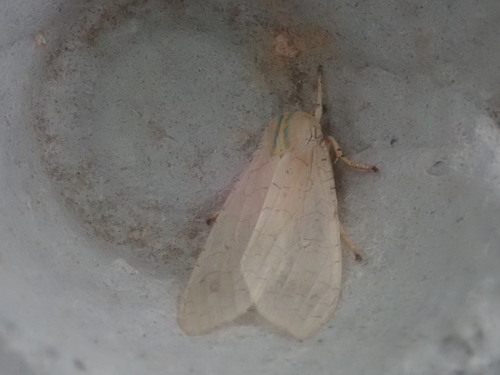
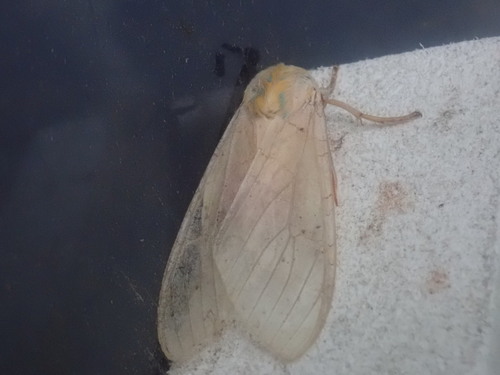
The Banded Tussock Moth is a furry moth with a yellow-orange body and fuzzy legs. Its wings are creamy white or pale yellow, marked with irregular, wavy orange-brown bands or spots. This makes it look quite fluffy and distinctly patterned compared to plain moths.
Category
InsectsRarity
Common
Danger
2/5 · Low
Snaps
29
Adult moths don't have mouths and cannot eat, living only a short time on stored energy!
Its caterpillar stage is covered in bright orange and black 'tussocks' of hair!
The caterpillar builds a fuzzy cocoon often using its own special hairs for protection!
These moths are sometimes called 'pale tiger moths' because of their striped appearance!
Banded Tussock Moth caterpillars have spiky hairs that cause irritation if touched, helping them deter predators.
Banded Tussock Moth pupae can spend the entire winter safely tucked away in their cocoons, allowing them to survive cold temperatures.
Banded Tussock Moth caterpillars blend in with leaves and twigs due to their varied colors and hairy bodies, helping them hide from hungry birds.
Banded Tussock Moths can make clicking sounds by vibrating their wings, which might help them communicate or warn off bats.
Caterpillars munch on leaves from many trees; adults don't eat!
Age differences: Adult moths do not feed, but caterpillars munch on many kinds of leaves from trees and shrubs.
Quercus rubra
Its caterpillars feast on the leaves of this tree.
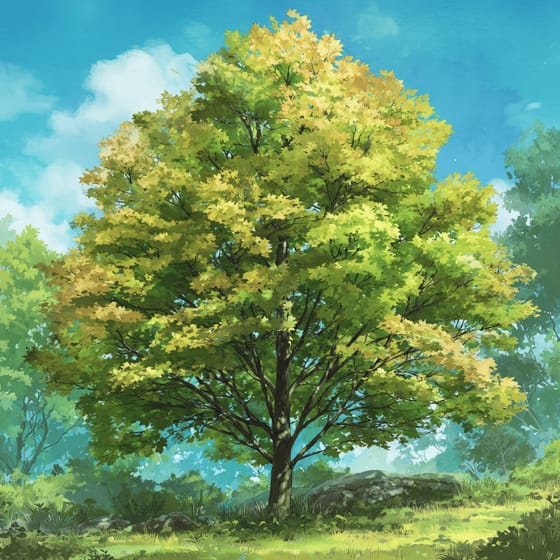
Acer saccharum
Young caterpillars can be found munching on its sweet leaves.
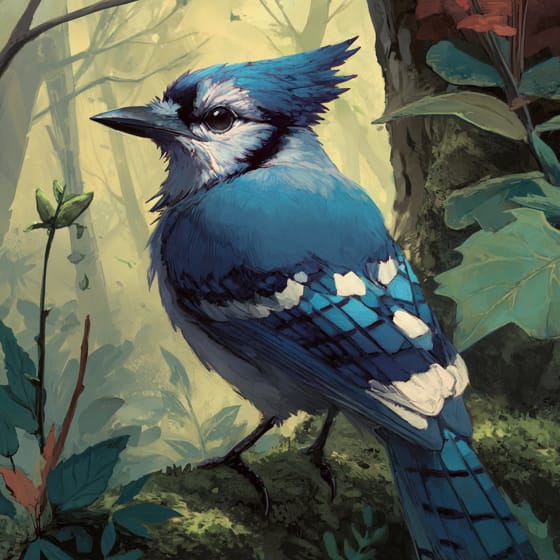
Cyanocitta cristata
Blue Jays will snatch both the caterpillars and adult moths.
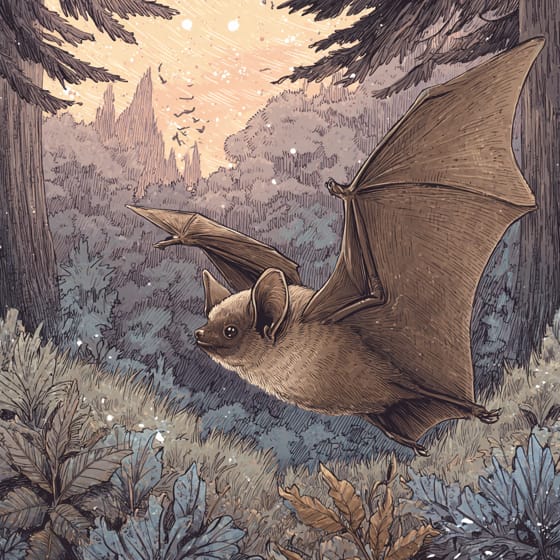
Myotis lucifugus
Bats hunt these moths in the night using echolocation.
Furry describes animals possessing a dense covering of soft hair or fur.
Solitary animals live alone for most of their lives, only interacting with others for mating or parental care.
Colorful describes organisms or objects displaying a wide range of bright and distinct colors.
This trait characterizes organisms whose diet consists entirely or primarily of plant material.

Forest habitats are terrestrial environments dominated by dense tree cover, supporting a high diversity of plant and animal life.

Diurnal animals are primarily active during daylight hours, typically resting or sleeping at night.

Describes organisms that transfer pollen, enabling the fertilization and reproduction of plants.
No aliases listed yet.
Danger
2/5 · Low
Don't touch the caterpillar without asking an adult, as some can irritate your skin.
The easiest way to identify Banded Tussock Moth is to use the Snappit nature identifier app.
30-45 mm
15-20 mm
7-14 days
8 km/h
Caterpillars munch on leaves from many trees; adults don't eat!
Forests
Foraging
Zoom in to split clusters and explore where this object has been snapped.
Sep 11, 2025
Gibraltar Rock State Natural AreaPhoto attribution
(c) Cole Wolf, some rights reserved (CC BY)
License: CC BY 4.0 ↗
Image may be shown cropped inside the card frame.
Sep 9, 2025
Bixby State PreservePhoto attribution
(c) Nicholas Stockmaster, some rights reserved (CC BY)
License: CC BY 4.0 ↗
Image may be shown cropped inside the card frame.
Nov 16, 2023
Pomme de Terre Wildlife Management AreaPhoto attribution
(c) Jacob Saucier, some rights reserved (CC BY)
License: CC BY 4.0 ↗
Image may be shown cropped inside the card frame.
Jul 21, 2023
Doane's FallsPhoto attribution
no rights reserved
License: CC0 1.0 ↗
Image may be shown cropped inside the card frame.
Jul 21, 2023
Doane's FallsPhoto attribution
no rights reserved
License: CC0 1.0 ↗
Image may be shown cropped inside the card frame.

Alabama, US
You might spot Anole, Eastern Gray Squirrel, and Asian Lady Beetle.
View guide →
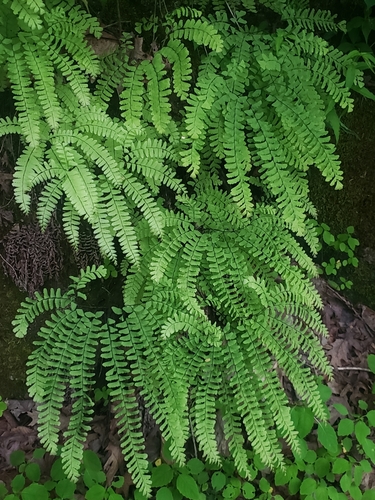
Iowa, US
You might spot Northern Maidenhair Fern and Wood Nettle.
View guide →

Alabama, US
You might spot Anole, Eastern Gray Squirrel, and Asian Lady Beetle.
View guide →

Wisconsin, US
You might spot Eastern Redcedar, Rock Polypody, and Vulture.
View guide →

Alabama, US
You might spot Anole, Eastern Gray Squirrel, and Asian Lady Beetle.
View guide →

West Virginia, US
You might spot Great Rhododendron and Mountain Laurel.
View guide →
Take the discovery with you
Snap it with Snappit to identify it, learn what makes it special, and add the discovery to your collection.






.jpg&width=800)


