





Black-headed Heron
Ardea melanocephala
The Black-headed Heron is a tall bird with a striking black head and long legs. They are often seen wading in water, searching for fish and frogs to eat.
Habitat: Wetlands
The Black-headed Heron is a large bird with a grey body and distinctive all-black head and nape. Its pale throat sharply contrasts with the dark head, and it has a long, dark grey bill and yellow eyes, making it visually distinct.
Category
BirdsRarity
Common
Danger
1/5 · Very low
Snaps
Be the first to snap!
Sometimes these clever herons will even steal food from other birds or animals!
Their nests can be found in huge colonies, sometimes with hundreds of other bird pairs!
They often rest on one leg, a trick that helps them conserve precious body heat!
Unlike many herons, they hunt insects and small animals in dry fields!
Black-headed Herons can stand incredibly still, allowing them to ambush prey with a lightning-fast strike.
This heron has sharp eyesight that helps them spot small prey from high up in the air or on the ground.
Black-headed Herons can soar on thermals for long periods, saving energy during travel and hunting.
They mainly eat insects, small mammals, and fish caught with a quick strike from their bill.
Crocodylus niloticus
Large reptiles sometimes prey on heron eggs and chicks.
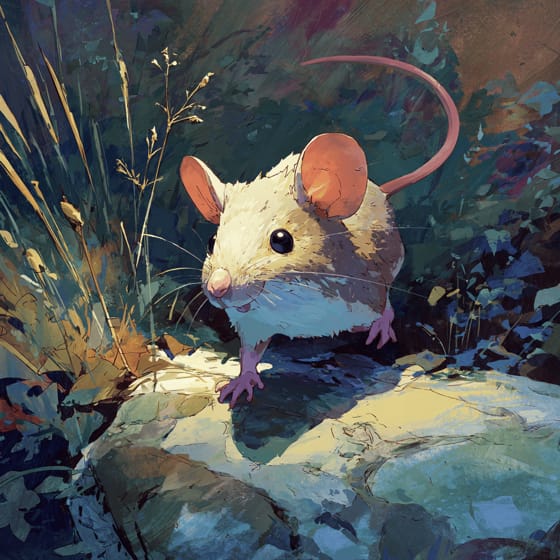
Mus musculus
They skillfully stalk and capture rodents in open fields.
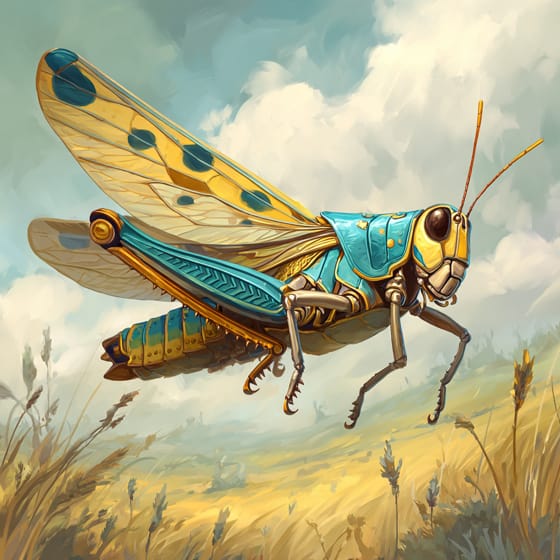
Locusta migratoria
They frequently eat large insects, helping control pest populations.
Ardeola ralloides
Often nests alongside other heron species in large colonies.
Feathered describes animals, primarily birds, possessing a covering of feathers.
Solitary animals live alone for most of their lives, only interacting with others for mating or parental care.
Piscivorous organisms are animals that primarily subsist on a diet of fish.
An ambush predator hunts by patiently waiting and concealing itself, then launching a sudden attack when unsuspecting prey comes within range.

This habitat trait identifies species found in wetlands, which are areas of land saturated with water, either permanently or seasonally, including marshes, swamps, and bogs.

This trait identifies organisms whose diet consists entirely or primarily of animal tissue.

Diurnal animals are primarily active during daylight hours, typically resting or sleeping at night.

Aquatic habitats encompass environments where organisms live predominantly in water, including oceans, rivers, lakes, and wetlands.
No aliases listed yet.
Danger
1/5 · Very low
Always watch birds from a distance and do not try to touch them.
The easiest way to identify Black-headed Heron is to use the Snappit nature identifier app.
85-92 cm
140-155 cm
1-1.6 kg
10-15 years
40 km/h
They mainly eat insects, small mammals, and fish caught with a quick strike from their bill.
Wetlands
Zoom in to split clusters and explore where this object has been snapped.
Recent snaps will appear here as new observations are added.
Take the discovery with you
Snap it with Snappit to identify it, learn what makes it special, and add the discovery to your collection.




.jpg&width=800)







