.jpg&width=800)




Black Kite
Milvus migrans
The Black Kite is a clever bird known for its graceful flying. It has dark brown feathers and a forked tail, making it easy to spot in the sky. These birds love to soar high and can often be seen near water.
Habitat: Urban areas, wetlands
The Black Kite is a medium-sized raptor with dark brown plumage, often appearing almost black, and a distinctive forked tail that is less deeply notched than other kites. It has a pale head and a yellowish beak, making it easily distinguishable from similar birds of prey.
Category
BirdsRarity
Common
Danger
1/5 · Very low
Snaps
Be the first to snap!
Black Kites sometimes steal shiny objects to decorate their nests!
In some cities, Black Kites follow fishing boats for easy meals.
These birds have special feathers that help them glide without flapping much.
They are one of the most common birds of prey in the world.
Black Kite can snatch fish right off the water's surface because of their sharp talons and agile flight.
Black Kite has a keen sense for carrion that helps them clean up the environment like nature's recycling team.
Black Kite can swoop down on prey fleeing wildfires, taking advantage of the chaos below.
Black Kite can steal food from other birds mid-air, a clever trick to get a free meal.
Black Kites are expert scavengers and hunters, eating almost anything they can find or catch!
Age differences: Young kites are fed by their parents until they learn to hunt and scavenge for themselves.

Bos taurus
often scavenges on carcasses of dead livestock.

Cyprinus carpio
snatches fish from shallow water or surface.
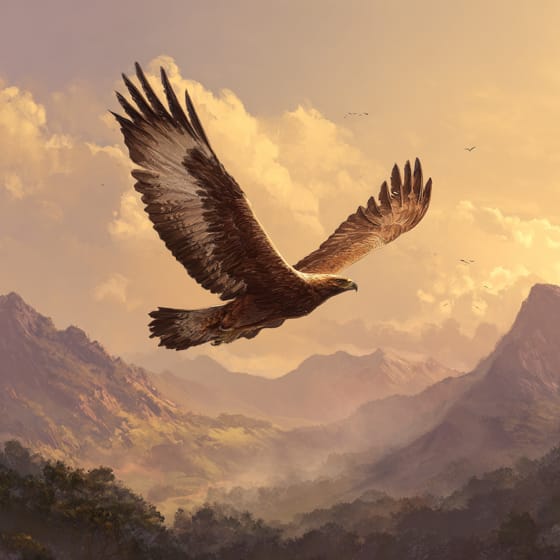
Aquila chrysaetos
larger raptors may occasionally prey on young or adult kites.
Apis mellifera
snatches flying insects as opportunistic prey.
Feathered describes animals, primarily birds, possessing a covering of feathers.
Social animals live in organized groups, cooperating for survival benefits such as foraging, defense, and raising offspring.
Aerial creatures spend a significant portion of their lives airborne, utilizing flight for various activities such as hunting, migration, or nesting.
Scavengers consume dead organic matter, helping to decompose carcasses and other waste in the ecosystem.

This habitat trait identifies species found in wetlands, which are areas of land saturated with water, either permanently or seasonally, including marshes, swamps, and bogs.

This trait identifies organisms whose diet consists entirely or primarily of animal tissue.

Diurnal animals are primarily active during daylight hours, typically resting or sleeping at night.

This habitat trait indicates species that can coexist with humans in urban and suburban environments, utilizing man-made structures and green spaces.
Danger
1/5 · Very low
Watch birds from a distance and don't try to touch them.
The easiest way to identify Black Kite is to use the Snappit nature identifier app.
48-61 cm
130-155 cm
0.6-1.3 kg
10-25 years
60 km/h
Black Kites are expert scavengers and hunters, eating almost anything they can find or catch!
Urban areas, wetlands
Zoom in to split clusters and explore where this object has been snapped.
Recent snaps will appear here as new observations are added.
Take the discovery with you
Snap it with Snappit to identify it, learn what makes it special, and add the discovery to your collection.




.jpg&width=800)








