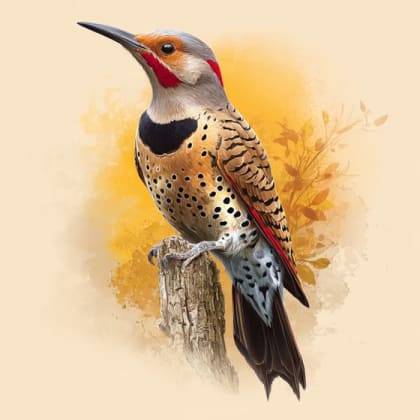





Northern Flicker

The Carl S. English, Jr., Botanical Gardens offers a serene escape where botanical beauty meets engineering marvel. Located adjacent to Seattle's iconic Hiram M. Chittenden Locks, this 7-acre garden is a verdant oasis showcasing a remarkable diversity of plant life. It stands as a living testament to one man's lifelong dedication to horticulture, providing year-round interest and a peaceful retreat from the urban bustle.
The garden boasts over 570 species and 1,500 varieties of plants collected from across the globe, cultivated in a romantic English estate style. Highlights include a stunning collection of Rhododendrons, a vibrant Rose Garden, and extensive displays of fuchsias and seasonal lilies. Visitors can also marvel at significant specimens like the rare Dawn Redwoods, eight of which grow here, and exotic trees such as Mexican Pine, Darwin Barberry, and Indian Horse Chestnut. The meticulous planting ensures a continuous display of color and fragrance throughout the seasons.
Beyond its botanical treasures, the gardens offer picturesque views of the Puget Sound and the fascinating operations of the Ballard Locks, where boats navigate between freshwater and saltwater. Combining the allure of meticulously curated flora with the dynamic backdrop of maritime activity and the chance to view migrating salmon, the Carl S. English, Jr., Botanical Gardens provides a truly unique and memorable experience for all who visit. Don't forget to bring the Snappit nature identification app along to scan local species.
The Carl S. English, Jr., Botanical Gardens owes its existence to the vision and dedication of its namesake. Carl S. English, Jr. was hired by the U.S. Army Corps of Engineers in 1931 as an assistant gardener. Over his 43-year career, he transformed a graveled construction site, initially left barren after the completion of the locks, into a sprawling English estate-style garden. An expert horticulturist and botanist, English traveled and corresponded with botanists worldwide, collecting seeds and plants to establish a significant and diverse collection. He is notably credited with being among the first to receive seeds of the Dawn Redwood (Metasequoia glyptostroboides) in the United States, a species previously known only as a fossil. English also discovered and named three rare native plants: Talinum okanoganense (fameflower), Lewisia rupicola (bitterroot), and Claytonia nivalis (spring beauty). The garden was officially dedicated in his honor in 1976.
Stroll along the well-maintained pathways, practice photography, identify various plant species, watch boats transit the Locks, and enjoy a picnic on the lawns.
Spring: Burst of color from rhododendrons and other flowering shrubs.
Summer: Peak season for roses, fuchsias, and lilies, often accompanied by free summer concerts at the Locks. Salmon runs may begin in late summer.
Fall: Enjoy vibrant autumn foliage.
Winter: The garden's structure and evergreen collections provide beauty, and it's a quieter time for reflection.
Many walking paths throughout the botanical garden are paved, making them accessible. The Visitor Center is wheelchair accessible, and a limited number of wheelchairs are available on a first-come, first-served basis. Only service animals are allowed inside buildings, but leashed dogs (on leads no longer than 6 feet) are permitted in outdoor areas.
Explore the various beds and borders featuring plants from around the world, including rare specimens and native Pacific Northwest flora.
See the impressive Metasequoia glyptostroboides, a tree brought to the U.S. by Carl English himself.
Enjoy the colorful and fragrant seasonal displays.
Gain an elevated perspective of the boat traffic and the meeting of waters.
Each card links to a full Explore page with photos, traits, and fun facts.
Start with the big picture, then zoom in to explore individual wildlife observations around this place.
Wear comfortable walking shoes
The garden features extensive pathways, and you'll want to explore its full 7 acres.
Bring a camera
The diverse plant life, scenic overlooks, and boat activity at the Locks provide excellent photographic opportunities.
Visit early on weekdays
For the most tranquil experience and to avoid larger crowds, especially during summer.
Combine your visit
The gardens are adjacent to the Hiram M. Chittenden Locks and Fish Ladder; plan to explore all three attractions for a full experience.
Check for seasonal events
The Locks often host free summer concerts, and salmon runs are seasonal at the fish ladder.
Pack a picnic
There are pleasant lawns and benches, making it an ideal spot for an outdoor meal amidst beautiful surroundings.
Jun 7, 2026
Jun 7, 2026
Jun 7, 2026
Jun 7, 2026
Jun 7, 2026

Maryland, US
You might spot White-Tailed Deer and Eastern Gray Squirrel.
View guide →
.jpg)
District of Columbia, US
You might spot Eastern Gray Squirrel, Duck, and House Sparrow.
View guide →

Illinois, US
You might spot American Robin, Canada Goose, and House Sparrow.
View guide →

Virginia, US
You might spot Spotted Lanternfly and Northern Cardinal.
View guide →
Take the discovery with you
Identify the wildlife you spot, learn as you go, and keep a collection of the adventure.