




Black Stink Bug
Proxys punctulatus
The Black Stink Bug is a small insect that can be found in gardens and fields. It has a shiny black body and can release a smelly liquid when it feels threatened.
Habitat: Urban areas
The Black Stink Bug is a completely matte black, shield-shaped insect. It has distinctive sharp, pointed 'shoulders' (humeral angles) and a broad, flat back, making it visually distinct from other dark beetles.
Category
InsectsRarity
Common
Danger
1/5 · Very low
Snaps
2
Baby stink bugs, called nymphs, look like tiny, wingless versions of their parents!
Its scientific name, Proxys punctulatus, refers to the bug's sharp, pointed body!
Many stink bugs spend winter hiding in cracks and under bark, only emerging when spring arrives!
When startled, a Black Stink Bug might just drop to the ground and play dead to avoid danger!
Black Stink Bug can release a foul-smelling liquid because of special glands that helps them deter hungry predators.
Black Stink Bug has an all-black body that helps them blend perfectly with shadows and dark surfaces to hide.
Black Stink Bug can pierce plants with its straw-like mouthpart because of specialized tools that helps them drink nourishing sap.
This bug is a vegetarian, using its straw-like mouth to drink juices from plants!

Glycine max
Sucks nourishing sap from soybean plants, sometimes causing damage.

Solanum lycopersicum
Feeds on juicy tomato fruits and their leaves.
Podisus maculiventris
A predatory stink bug that preys on its nymphs.
Trissolcus basalis
A tiny parasitic wasp that lays its eggs inside stink bug eggs.
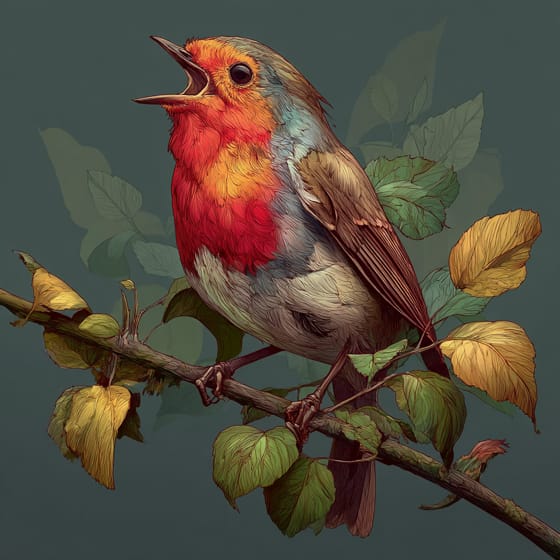
Turdus migratorius
A common bird that might snack on these bugs.
Solitary animals live alone for most of their lives, only interacting with others for mating or parental care.
Scavengers consume dead organic matter, helping to decompose carcasses and other waste in the ecosystem.
Camouflaged describes organisms that possess coloring or patterns that allow them to blend into their environment.
This trait characterizes organisms whose diet consists entirely or primarily of plant material.

Toxic organisms contain substances that are poisonous and can cause adverse effects upon exposure.

This habitat trait indicates species that can coexist with humans in urban and suburban environments, utilizing man-made structures and green spaces.
No aliases listed yet.
Danger
1/5 · Very low
Don't touch stink bugs, as they can release a smelly liquid when scared.
The easiest way to identify Black Stink Bug is to use the Snappit nature identifier app.
15-20 mm
10-14 mm
150-240 days
8 km/h
This bug is a vegetarian, using its straw-like mouth to drink juices from plants!
Urban areas
Foraging
Zoom in to split clusters and explore where this object has been snapped.
Take the discovery with you
Snap it with Snappit to identify it, learn what makes it special, and add the discovery to your collection.









.jpg&width=800)




