





black swallow-wort
Vincetoxicum nigrum
Black swallow-wort is a climbing plant with dark green leaves and pretty flowers. It can grow in many places and is often found in gardens and fields, making it a lovely addition to nature.
Habitat: Urban areas
The black swallow-wort is a twining perennial vine with slender stems and glossy, dark green oval leaves arranged in pairs. It has clusters of tiny, star-shaped flowers that are dark purple to nearly black, often appearing brownish-purple up close, making them distinct from other vines.
Category
PlantsRarity
Common
Danger
2/5 · Low
Snaps
5
Even though it looks like milkweed, monarch butterfly caterpillars can't survive eating its toxic leaves!
Its seeds have feathery parachutes, like dandelions, allowing them to fly long distances in the wind!
One plant can make over 2,000 seeds in a year, helping it spread super fast!
This plant is nicknamed 'dog-strangling vine' because it can completely cover and choke out other plants!
Black swallow-wort can rapidly climb and smother native vegetation, using its twining stems to outcompete other plants for sunlight and space.
Black swallow-wort has explosive seed pods that release hundreds of parachute-like seeds, helping it spread far and wide with the wind.
Black swallow-wort produces chemicals similar to milkweeds, tricking monarch butterflies into laying eggs, though their larvae cannot survive.
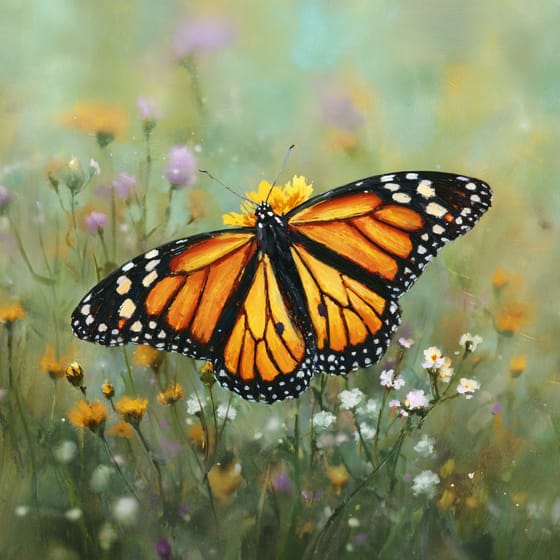
Danaus plexippus
Larvae attempt to eat leaves, but cannot survive due to toxicity.
Hypena opulenta
Larvae specifically feed on the plant, used as a biocontrol agent.
Musca domestica
Visits flowers, aiding in pollination.
Climbing or vine plants are characterized by a growth habit that allows them to ascend upwards by twining, tendrils, or adhesive roots.
Aromatic plants produce and emit fragrant volatile organic compounds, often for defense or to attract pollinators.
Flowering plants are any plants that produce flowers as part of their reproductive cycle.
Summer blooming plants produce their flowers during the summer season, often providing vibrant color when many other plants have finished.

Describes plants that are particularly attractive and beneficial to a wide range of pollinating organisms.

Poisonous organisms produce toxins that can cause harm when ingested, inhaled, or absorbed through contact.

This habitat trait indicates species that can coexist with humans in urban and suburban environments, utilizing man-made structures and green spaces.

Invasive species are non-native organisms that cause harm to the environment, economy, or human health.
No aliases listed yet.
Danger
2/5 · Low
Always wash your hands after touching plants, just to be safe!
The easiest way to identify black swallow-wort is to use the Snappit nature identifier app.
100-200 cm
50-150 cm
0.5-0.8 cm
Summer
No
High
Perennial
Zoom in to split clusters and explore where this object has been snapped.

Massachusetts, US
You might spot Common Eastern Bumble Bee and Canada Goose.
View guide →

Massachusetts, US
You might spot Common Eastern Bumble Bee, Bee, and Duck.
View guide →

New York, US
You might spot Pitch Pine, Great Egret, and Monarch.
View guide →

Massachusetts, US
You might spot Eastern Gray Squirrel and American Robin.
View guide →

Massachusetts, US
You might spot Common Eastern Bumble Bee, Bee, and Duck.
View guide →

New York, US
You might spot Amur Honeysuckle, Wineberry, and Garlic Mustard.
View guide →
Take the discovery with you
Snap it with Snappit to identify it, learn what makes it special, and add the discovery to your collection.








.jpg&width=800)


_001.jpg&width=800)




