.jpg&width=800)





Black Swan
Cygnus atratus
The Black Swan is a beautiful bird with shiny black feathers and a bright red beak. They are graceful swimmers and can often be seen gliding on lakes and rivers.
Habitat: Wetlands
The Black Swan is an unmistakable bird with entirely black plumage, except for bright white flight feathers visible during flight. It has a striking deep-red bill with a pale band and a famously long, elegant, curved neck, making it visually distinct from other swan species.
Category
BirdsRarity
Common
Danger
3/5 · Moderate
Snaps
Be the first to snap!
A group of swans is called a 'bevy' in flight, but a 'lamentation' on the ground!
Baby black swans, called cygnets, are born covered in fluffy grey down!
Black Swans use their feet to stir up mud, uncovering tasty plants to eat!
Unlike most swans, Black Swans build large, floating nests in shallow water!
Black Swan can reach deep underwater plants because of its extra-long neck that helps them graze submerged vegetation.
Black Swan has a loud, bugling call that helps them communicate with other swans across vast stretches of water.
Black Swan has oily, waterproof feathers that help them stay dry and warm while swimming and diving in cold water.
Black Swan can fly long distances because of its powerful wings that help them find new wetlands.
These elegant birds are vegetarians, mostly eating yummy underwater plants and seeds.
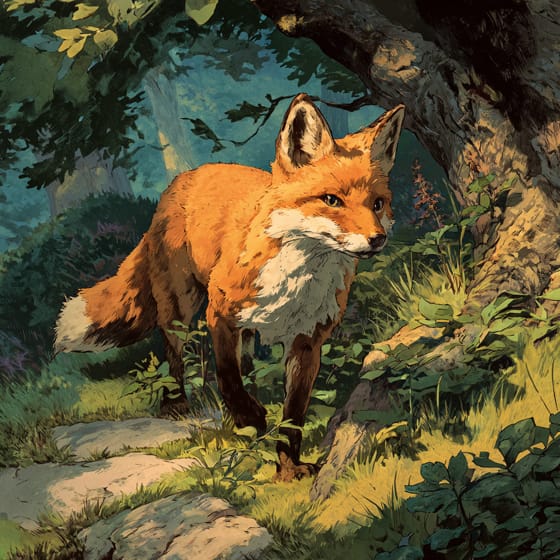
Vulpes vulpes
Foxes prey on Black Swan eggs and cygnets.
Aquila audax
Eagles can prey on young Black Swan cygnets.
Typha latifolia
Swans use cattails for nesting material and cover.
Potamogeton crispus
A common aquatic plant that Black Swans feed on.
Feathered describes animals, primarily birds, possessing a covering of feathers.
Characterized by having toes connected by a membrane, typically aiding in swimming.
Social animals live in organized groups, cooperating for survival benefits such as foraging, defense, and raising offspring.
Filter feeders obtain nutrients by straining suspended food particles and small organisms from water.

This trait characterizes organisms whose diet consists entirely or primarily of plant material.

This trait characterizes organisms with an exceptionally long lifespan compared to others of their kind.

This habitat trait identifies species found in wetlands, which are areas of land saturated with water, either permanently or seasonally, including marshes, swamps, and bogs.

Diurnal animals are primarily active during daylight hours, typically resting or sleeping at night.

Protected status signifies a species or area is safeguarded by legal measures and conservation efforts to prevent harm or loss.
No aliases listed yet.
Danger
3/5 · Moderate
Always watch swans from a distance and don’t feed them, as they can be protective.
The easiest way to identify Black Swan is to use the Snappit nature identifier app.
110-140 cm
160-200 cm
3.7-8.7 kg
10-20 years
60 km/h
These elegant birds are vegetarians, mostly eating yummy underwater plants and seeds.
Wetlands
Zoom in to split clusters and explore where this object has been snapped.
Recent snaps will appear here as new observations are added.
Take the discovery with you
Snap it with Snappit to identify it, learn what makes it special, and add the discovery to your collection.





.jpg&width=800)








