.jpg&width=800)





Black-tailed Godwit
Limosa limosa
The Black-tailed Godwit is a beautiful bird with long legs and a long beak. It loves to wade in shallow waters and search for tasty bugs and worms to eat.
Habitat: Wetlands
The Black-tailed Godwit is an elegant wading bird with very long legs and a straight bill that is orange at the base and black at the tip. In summer, its head, neck, and chest turn a rich rufous-orange. It has a striking white wing-bar and a black tail with a white base, visible in flight.
Category
BirdsRarity
Common
Danger
1/5 · Very low
Snaps
Be the first to snap!
A Black-tailed Godwit's name might come from an old English word meaning "good creature"!
Female godwits are often a little bigger than males, even though they look similar!
Godwit chicks can walk and find their own food just a few hours after hatching!
They stand tall on long legs, sometimes sleeping while balanced on just one leg!
Black-tailed Godwit can locate hidden worms and insects deep in mud because their long bill has sensitive nerve endings.
Black-tailed Godwit has incredible stamina, allowing them to fly thousands of kilometers non-stop during epic migrations.
Black-tailed Godwit can wade into surprisingly deep water because of their extra-long legs, reaching food others cannot.
Black-tailed Godwits use their long bills to find tasty invertebrates hiding in the mud.
Lumbricus terrestris
A key food source found by probing in wet soil.
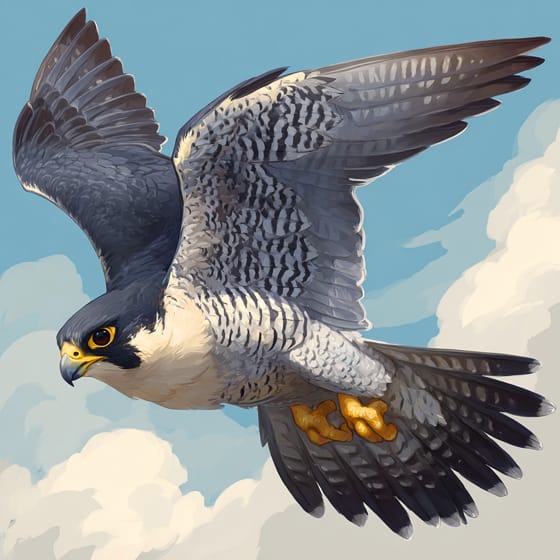
Falco peregrinus
A swift aerial predator of adult godwits.
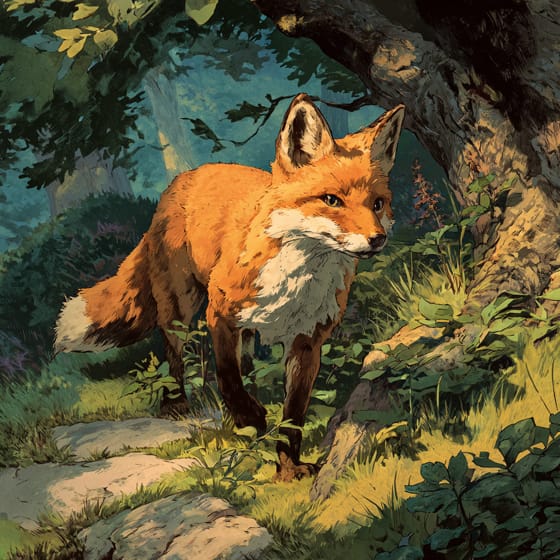
Vulpes vulpes
Preys on eggs, chicks, and sometimes adult godwits.

Carcinus maenas
Searches for small crabs and other crustaceans in estuaries.
Feathered describes animals, primarily birds, possessing a covering of feathers.
Social animals live in organized groups, cooperating for survival benefits such as foraging, defense, and raising offspring.
Colorful describes organisms or objects displaying a wide range of bright and distinct colors.
This trait identifies organisms whose diet primarily consists of insects and other small invertebrates.

This habitat trait identifies species found in wetlands, which are areas of land saturated with water, either permanently or seasonally, including marshes, swamps, and bogs.

Diurnal animals are primarily active during daylight hours, typically resting or sleeping at night.

Aquatic habitats encompass environments where organisms live predominantly in water, including oceans, rivers, lakes, and wetlands.

Migratory animals undertake seasonal movements from one region to another, typically in response to changes in climate or food availability.
No aliases listed yet.
Danger
1/5 · Very low
Always watch birds from a distance and never try to catch them.
The easiest way to identify Black-tailed Godwit is to use the Snappit nature identifier app.
37-42 cm
70-82 cm
0.19-0.5 kg
10-20 years
80 km/h
Black-tailed Godwits use their long bills to find tasty invertebrates hiding in the mud.
Wetlands
Zoom in to split clusters and explore where this object has been snapped.
Recent snaps will appear here as new observations are added.
Take the discovery with you
Snap it with Snappit to identify it, learn what makes it special, and add the discovery to your collection.




.jpg&width=800)







