




Black-tailed Gull
Larus crassirostris
The Black-tailed Gull is a playful bird found near the sea. It has a striking black tail and loves to catch fish and play in the waves. These gulls are often seen flying in groups, making them a fun sight at the beach!
Habitat: Coastal areas
The Black-tailed Gull has a striking white head and body with a dark grey back and wings. Its name comes from the distinct black band across its otherwise white tail. It sports a bright yellow bill with a black ring and a red tip, and yellow legs.
Category
BirdsRarity
Common
Danger
1/5 · Very low
Snaps
Be the first to snap!
Some Black-tailed Gulls can live for over 20 years in the wild!
Their loud calls often sound like 'mew-mew' or 'ha-ha-ha' echoing along the shore!
These gulls are the most common type seen flying around Japan's coasts.
They sometimes 'foot-paddle' in shallow water to stir up tasty hidden critters.
Black-tailed Gulls have a bold black band on their tail that might flash during flight, confusing predators and aiding escape.
Black-tailed Gulls have super-sharp eyesight that helps them spot tiny fish and food from high above the shimmering water.
Black-tailed Gulls have strong, angled wings that help them glide effortlessly on ocean winds to find food along the coast.
Black-tailed Gulls make loud, distinctive calls that help them communicate warnings and keep track of each other in noisy colonies.
These adaptable gulls feast on fish, ocean critters, and sometimes snacks from humans near the coast!
Engraulis japonicus
Often preys on schools of these small fish near the surface.
Hemigrapsus sanguineus
Forages for these crabs and other crustaceans along the shoreline.
Haliaeetus pelagicus
Eggs and chicks are sometimes taken by this large coastal raptor.
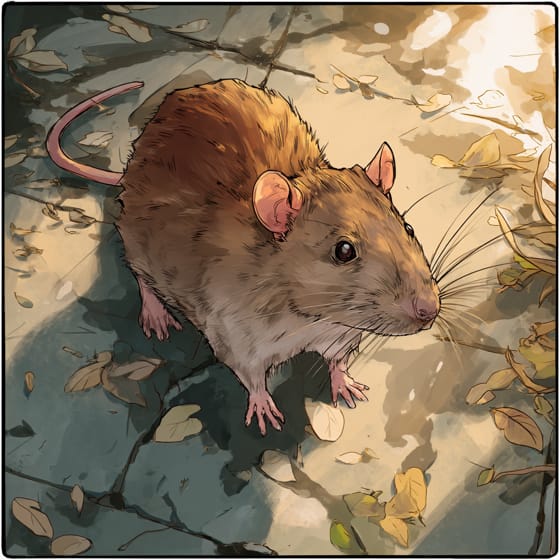
Rattus norvegicus
Rats frequently raid nesting colonies for eggs and vulnerable chicks.
Feathered describes animals, primarily birds, possessing a covering of feathers.
Social animals live in organized groups, cooperating for survival benefits such as foraging, defense, and raising offspring.
Aerial creatures spend a significant portion of their lives airborne, utilizing flight for various activities such as hunting, migration, or nesting.
Scavengers consume dead organic matter, helping to decompose carcasses and other waste in the ecosystem.

Piscivorous organisms are animals that primarily subsist on a diet of fish.

Coastal habitats are dynamic environments located along the interface between land and sea, influenced by tides, waves, and saltwater.

This trait identifies organisms whose diet consists entirely or primarily of animal tissue.

Diurnal animals are primarily active during daylight hours, typically resting or sleeping at night.

Marine habitats encompass all saltwater environments of the Earth's oceans, supporting an immense diversity of aquatic life.
No aliases listed yet.
Danger
1/5 · Very low
Always watch birds from a distance and do not feed them, as it can be harmful.
The easiest way to identify Black-tailed Gull is to use the Snappit nature identifier app.
43-50 cm
126-130 cm
0.48-0.65 kg
10-20 years
55 km/h
These adaptable gulls feast on fish, ocean critters, and sometimes snacks from humans near the coast!
Coastal areas
Zoom in to split clusters and explore where this object has been snapped.
Recent snaps will appear here as new observations are added.
Take the discovery with you
Snap it with Snappit to identify it, learn what makes it special, and add the discovery to your collection.




.jpg&width=800)








