





Black Wildebeest
connochaetes gnou
The Black Wildebeest is a unique animal with curly horns that loves to run in herds! They are known for their playful nature and can often be seen leaping across the grasslands.
Habitat: They live in open grasslands and savannas in southern Africa.
The Black Wildebeest has a shaggy, dark brown to black coat and a distinctive, long, bushy white tail that swishes as it moves. Its unique horns curve forward, then down and up, while a stiff mane and beard complete its rugged look, setting it apart from its blue cousin.
Category
MammalsRarity
Common
Danger
1/5 · Very low
Snaps
Be the first to snap!
Baby wildebeest can stand and run within minutes of being born!
Black Wildebeests are also called white-tailed gnus for their bushy tails.
Their unique horns curve like hooks, almost touching at the tips!
They love to roll in dust baths to clean their shaggy coats.
Black Wildebeest can find the freshest grass because of their excellent sense of smell that helps them locate nutrient-rich food.
Black Wildebeest has a strong herd instinct that helps them confuse predators and protect their young by running together.
Black Wildebeest can escape danger because of their powerful legs that help them run swiftly over long distances.
Black Wildebeest has specialized wide teeth that help them efficiently clip and eat tough, short grasses in the plains.
These herbivores are expert grass-eaters, using their wide mouths to crop short, nutritious blades.
Panthera leo
Main predator of adult wildebeest and calves.
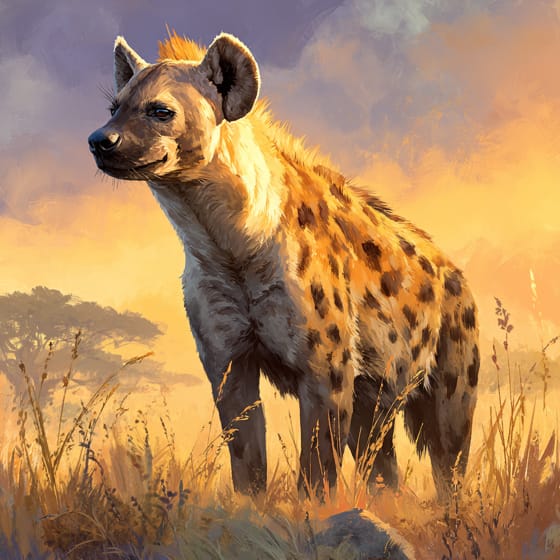
Crocuta crocuta
Hunts calves and sometimes adult wildebeest.

Lycaon pictus
Packs effectively hunt wildebeest in their range.
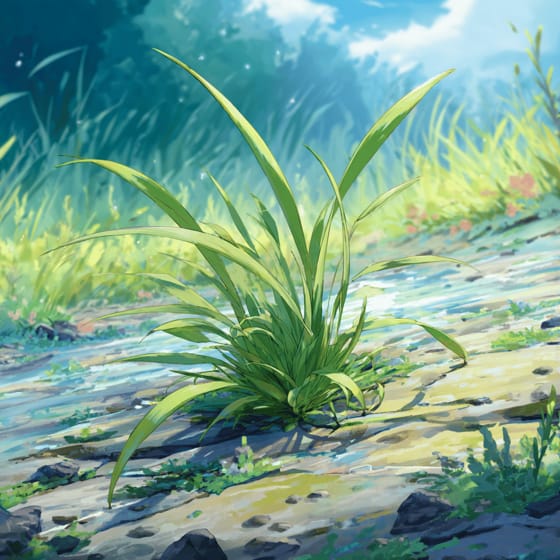
Cynodon dactylon
A primary food source in their grassland habitat.
Furry describes animals possessing a dense covering of soft hair or fur.
Social animals live in organized groups, cooperating for survival benefits such as foraging, defense, and raising offspring.
Grassland habitats are terrestrial biomes dominated by grasses and herbaceous plants, supporting a variety of grazing animals.
This trait characterizes organisms whose diet consists entirely or primarily of plant material.

Diurnal animals are primarily active during daylight hours, typically resting or sleeping at night.
Danger
1/5 · Very low
No special safety notes yet.
The easiest way to identify Black Wildebeest is to use the Snappit nature identifier app.
170-240 cm
110-180 kg
10-20 years
80 km/h
These herbivores are expert grass-eaters, using their wide mouths to crop short, nutritious blades.
They live in open grasslands and savannas in southern Africa.
Grazing
Zoom in to split clusters and explore where this object has been snapped.
Recent snaps will appear here as new observations are added.
Take the discovery with you
Snap it with Snappit to identify it, learn what makes it special, and add the discovery to your collection.




.jpg&width=800)


.JPG&width=800)

.jpg&width=800)
