





Black-winged Stilt
Himantopus himantopus
The Black-winged Stilt is a tall, elegant bird with long legs and striking black wings. They love to wade in shallow waters, searching for tasty insects and small fish to eat.
Habitat: Wetlands
The Black-winged Stilt has a striking appearance with its pure white body and black wings and back. Its most defining feature is its extremely long, needle-thin, bright pink legs, making it stand tall above other waders. It also has a slender black bill.
Category
BirdsRarity
Common
Danger
1/5 · Very low
Snaps
Be the first to snap!
Baby stilts can swim and catch food for themselves just hours after hatching!
Black-winged Stilts often feed by sweeping their long bill side-to-side in the water.
Their legs are longer than their entire body, making them one of the world's tallest birds!
These amazing birds can be found living on almost every continent in the world!
Black-winged Stilts have incredibly long legs that help them wade into deep water where other birds cannot reach food.
The Black-winged Stilt has keen eyesight to spot tiny insects and aquatic creatures even in murky water.
Black-winged Stilts can pretend to have a broken wing, distracting predators away from their hidden nests.
This bird mostly eats small aquatic creatures it finds in shallow water with its long bill.

Larus michahellis
Gulls may prey on stilt eggs and chicks.
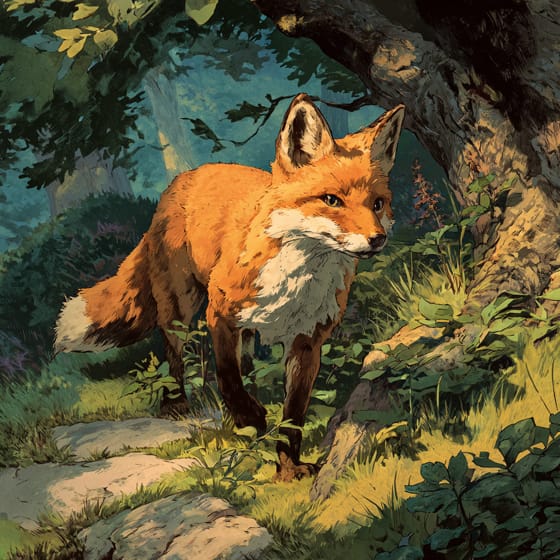
Vulpes vulpes
Foxes are common predators of stilt nests and chicks.
Chironomus plumosus
Stilts feed on larvae and adult midges in wetlands.
Artemia salina
Abundant prey in salt pans, a key stilt habitat.
Feathered describes animals, primarily birds, possessing a covering of feathers.
Social animals live in organized groups, cooperating for survival benefits such as foraging, defense, and raising offspring.
Colorful describes organisms or objects displaying a wide range of bright and distinct colors.
This trait identifies organisms whose diet primarily consists of insects and other small invertebrates.

This habitat trait identifies species found in wetlands, which are areas of land saturated with water, either permanently or seasonally, including marshes, swamps, and bogs.

This trait identifies organisms whose diet consists entirely or primarily of animal tissue.

Diurnal animals are primarily active during daylight hours, typically resting or sleeping at night.

Aquatic habitats encompass environments where organisms live predominantly in water, including oceans, rivers, lakes, and wetlands.
No aliases listed yet.
Danger
1/5 · Very low
Always observe birds from a distance so they feel safe and happy.
The easiest way to identify Black-winged Stilt is to use the Snappit nature identifier app.
33-36 cm
67-83 cm
0.15-0.22 kg
10-15 years
50 km/h
This bird mostly eats small aquatic creatures it finds in shallow water with its long bill.
Wetlands
Zoom in to split clusters and explore where this object has been snapped.
Recent snaps will appear here as new observations are added.
Take the discovery with you
Snap it with Snappit to identify it, learn what makes it special, and add the discovery to your collection.





.jpg&width=800)







