




Bleeding Heart
Dicentra spectabilis
Bleeding Hearts are beautiful flowers with unique heart-shaped petals that hang delicately from arching stems. They bloom in spring and add a touch of magic to gardens with their romantic appearance.
Habitat: Gardens
The Bleeding Heart has striking heart-shaped flowers, usually pink or red, with a small white 'drop' emerging from the bottom. Some varieties are pure white. Its delicate flowers hang in graceful arching rows along the stems.
Category
PlantsRarity
Common
Danger
1/5 · Very low
Snaps
Be the first to snap!
Despite its beauty, eating any part of it can cause an upset tummy if you're not careful!
Its quirky nickname, "Lady-in-a-bath," comes from cleverly opening a flower to see a tiny figure inside!
Some older names for it were "Dutchman's Breeches" or "Lyre Flower" because of the unique shape.
The seeds come with a yummy fatty snack attached, tempting ants to carry them away for the plant!
Bleeding Heart seeds have a fatty attachment, an elaiosome, that ants love to eat, helping the plant spread its seeds far and wide.
Bleeding Heart quickly sprouts and blooms in early spring, soaking up sunlight before taller trees leaf out and create too much shade.
This plant can go dormant in hot summer months, allowing it to rest and conserve energy until cooler, moister conditions return.
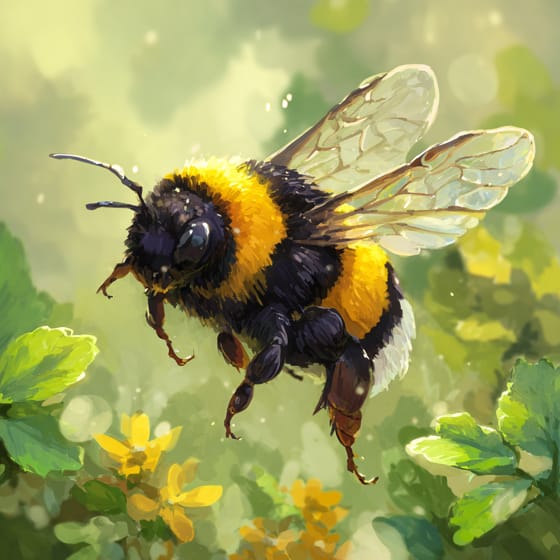
Bombus terrestris
Helps transfer pollen between flowers.
Myrmica rubra
Carries seeds, aiding in plant dispersal.
Deciduous plants periodically shed all their leaves, typically during autumn or dry seasons.
Flowering plants are any plants that produce flowers as part of their reproductive cycle.
Describing a plant or anatomical structure that droops or hangs downwards.
Shade tolerant plants are adapted to grow and thrive in areas with low light levels, requiring less direct sunlight.

Spring blooming plants produce their flowers during the spring season, often signifying the end of winter and the start of new growth.

Fragrant flowers emit a pleasant aroma, often to attract pollinators or for defense.
Danger
1/5 · Very low
Enjoy the beauty of Bleeding Hearts from a safe distance and avoid touching or ingesting the flowers.
The easiest way to identify Bleeding Heart is to use the Snappit nature identifier app.
60-90 cm
60-90 cm
3-5 cm
Spring
No
Mild
Perennial
Zoom in to split clusters and explore where this object has been snapped.
Recent snaps will appear here as new observations are added.
Take the discovery with you
Snap it with Snappit to identify it, learn what makes it special, and add the discovery to your collection.







.jpg&width=800)


_001.jpg&width=800)



