





Blue Fungus Beetle
Cypherotylus californicus
The Blue Fungus Beetle is a small, shiny bug that loves to munch on fungi! Its bright blue color makes it stand out in the forest, and it plays an important role in helping mushrooms grow.
Habitat: Forests
The Blue Fungus Beetle is a stunning insect, sporting a brilliant, iridescent blue exoskeleton that can sometimes shimmer with purplish or greenish hues. Its oval-shaped body is highly convex, setting it apart from flatter beetles. This vibrant color makes it easily noticeable against dull forest backdrops.
Category
InsectsRarity
Common
Danger
1/5 · Very low
Snaps
3
Baby Blue Fungus Beetles, called larvae, also live inside fungi!
Their dazzling blue color comes from tiny shell structures, not pigment!
These beetles are important decomposers, like nature's clean-up crew!
They spend their entire lives dedicated to eating and recycling fungi.
Blue Fungus Beetle can munch on tough bracket fungi because of its strong mouthparts, helping to break down decaying wood.
Blue Fungus Beetle has an iridescent blue shell that helps them blend in with certain blue-hued fungi in its forest home.
Blue Fungus Beetle can secrete yucky-tasting chemicals when threatened, which helps them deter hungry predators.
These beetles are dedicated fungus-eaters, feasting on tough shelf fungi in forests and woodlands.
Ganoderma applanatum
Feeds on its fruiting bodies, helping decomposition.
Sorex monticolus
Small mammals sometimes prey on ground-dwelling adult beetles.
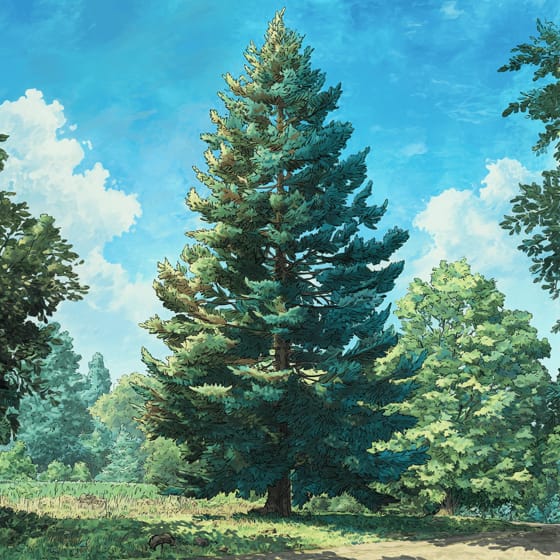
Pseudotsuga menziesii
Relies on fungi growing on dead wood from this tree for food.
Solitary animals live alone for most of their lives, only interacting with others for mating or parental care.
Colorful describes organisms or objects displaying a wide range of bright and distinct colors.
This trait characterizes organisms whose diet consists entirely or primarily of plant material.
Describes organisms that break down dead organic material, recycling nutrients back into the ecosystem.

Forest habitats are terrestrial environments dominated by dense tree cover, supporting a high diversity of plant and animal life.

Describes a species whose presence and role have a disproportionately large effect on its environment.

Pertaining to species that are significantly smaller than typical or average for their kind.

Describes organisms that transfer pollen, enabling the fertilization and reproduction of plants.
No aliases listed yet.
Danger
1/5 · Very low
It's best to look at beetles from a distance and not touch them.
The easiest way to identify Blue Fungus Beetle is to use the Snappit nature identifier app.
20-30 mm
10-15 mm
60-120 days
These beetles are dedicated fungus-eaters, feasting on tough shelf fungi in forests and woodlands.
Forests
Foraging
6
Zoom in to split clusters and explore where this object has been snapped.

Colorado, US
You might spot Elk, Mule Deer, and Moose.
View guide →

Colorado, US
You might spot Front Range Beardtongue and Mountain Ball Cactus.
View guide →
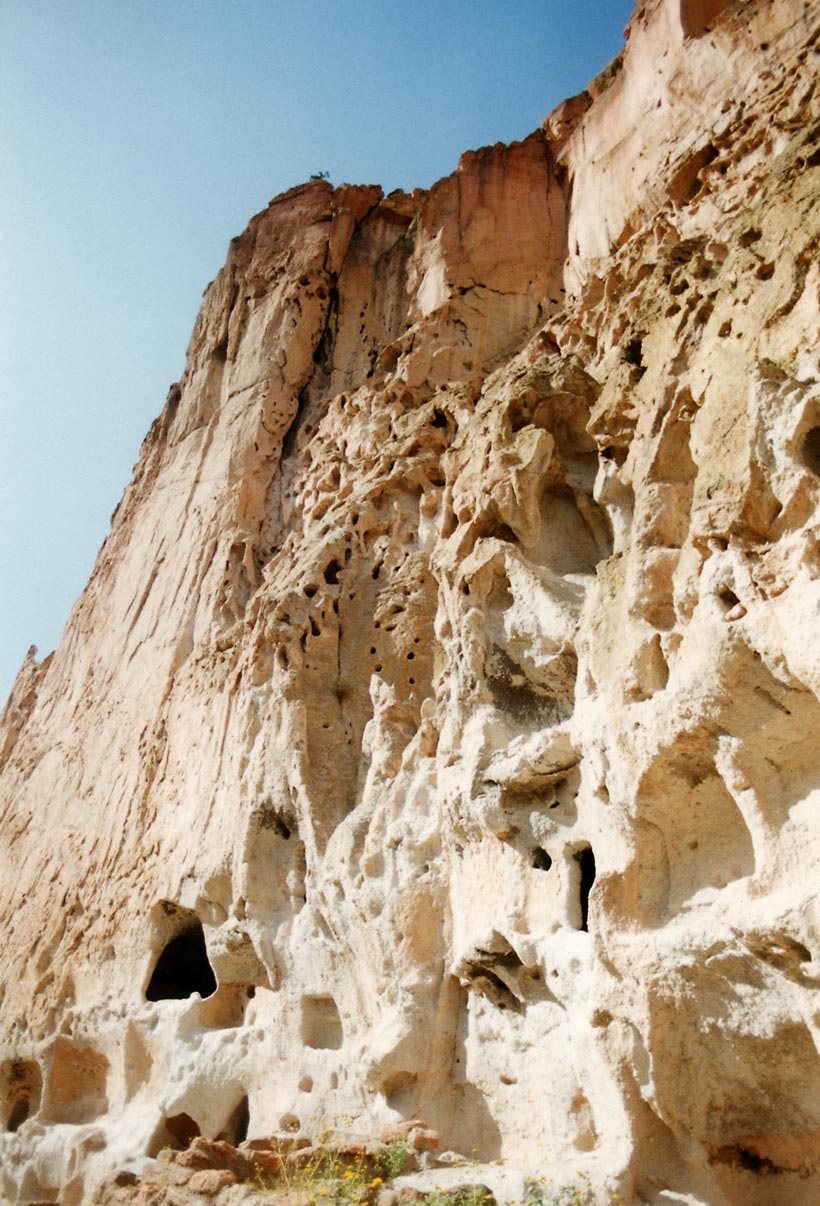
New Mexico, US
You might spot Tree Cholla, Mule Deer, and Sacred Datura.
View guide →
Take the discovery with you
Snap it with Snappit to identify it, learn what makes it special, and add the discovery to your collection.








.jpg&width=800)

