





Mule Deer
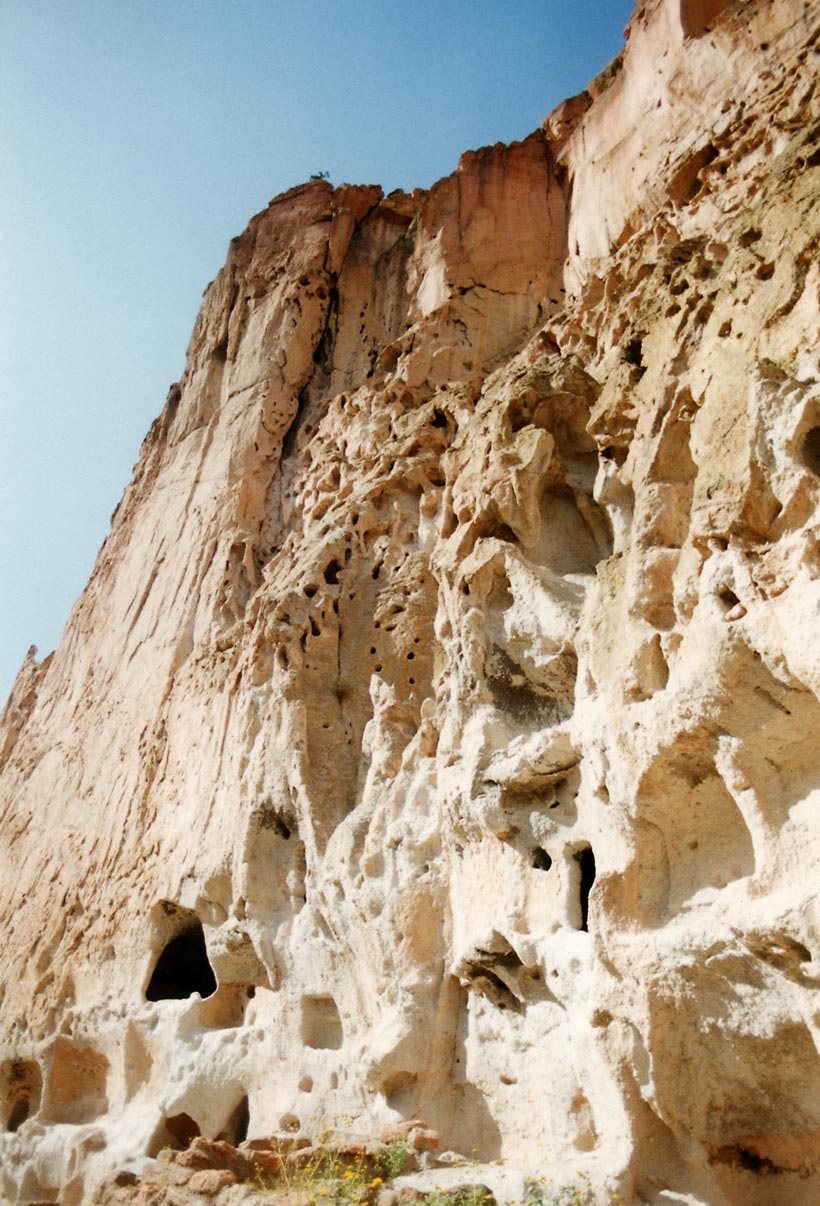
Bandelier National Monument in New Mexico offers a truly captivating journey through time and nature, preserving over 33,000 acres of rugged canyon and mesa country alongside the remarkable dwellings of the Ancestral Pueblo people.
Bandelier National Monument in New Mexico offers a truly captivating journey through time and nature, preserving over 33,000 acres of rugged canyon and mesa country alongside the remarkable dwellings of the Ancestral Pueblo people. This unique site invites visitors to explore a landscape where ancient human history, stretching back over 10,000 years, converges with diverse natural beauty, characterized by dramatic cliffs, deep canyons, and archaeological treasures like cliff dwellings and petroglyphs. It's a place where the echoes of a vibrant past resonate amidst a thriving ecosystem, making it a truly special destination in the American Southwest.
The heart of the monument lies in Frijoles Canyon, where the 1.2-mile Main Pueblo Loop Trail provides easy access to an array of ancient homes, including cavates carved into the soft volcanic tuff cliffs. More adventurous visitors can ascend ladders to the famed Alcove House, a natural recess high in the cliff face. Beyond the ruins, Bandelier's varied habitats are home to abundant wildlife; visitors might spot a Mule Deer grazing peacefully, Abert's Squirrels scampering among the towering Southwestern Ponderosa Pine and Gambel Oak trees, or vibrant Sacred Datura and Wholeleaf Paintbrush blooming seasonally. Look out for the distinctive Eastern Boxelder Bug, or perhaps a quick Chihuahuan Spotted Whiptail darting across the sun-warmed paths.
Whether you're climbing ladders into ancient homes, contemplating petroglyphs etched centuries ago, or simply enjoying the tranquil beauty of the canyons, Bandelier National Monument offers a profound connection to both human heritage and the natural world. It's a place where every turn reveals a new vista and every step treads on history. The opportunity to witness a Common Raven soaring overhead or the subtle beauty of a Banana Yucca in bloom against the backdrop of ancient cliffs makes for an unforgettable and deeply memorable experience. Wondering what that bird or insect is? Find out on your visit using the Snappit nature app.
Human presence in the Bandelier area dates back over 10,000 years, with evidence of nomadic hunter-gatherers following migrating wildlife across the land. Permanent settlements by the Ancestral Pueblo people began to emerge around 1150 CE, utilizing the volcanic tuff cliffs of Frijoles Canyon to carve dwellings, create ceremonial kivas, and etch petroglyphs. By the mid-1500s, these Ancestral Pueblo communities had largely moved to new homes along the Rio Grande. The monument is named after Adolph Bandelier, a Swiss-American anthropologist who extensively researched the cultures of the area in the late 19th century and advocated for the preservation of these significant archaeological sites. Bandelier National Monument was officially designated by President Woodrow Wilson on February 11, 1916. Further development of the park's infrastructure, including roads, trails, and the visitor center, was undertaken by Civilian Conservation Corps crews in the 1930s.
Hike the extensive trail system, explore ancient cliff dwellings and ruins, climb into cavates, observe wildlife, enjoy ranger-guided tours, and attend stargazing programs. Picnicking is also a popular activity.
Spring (March-May): Unpredictable weather, but beautiful wildflowers and migratory birds begin to appear.
Summer (June-August): Can be hot and dry in June, followed by frequent afternoon thunderstorms in July and August. Rattlesnakes are highly active. Shuttle service may be in operation.
Fall (September-November): Pleasant hiking temperatures and vibrant fall colors, especially in early October.
Winter (December-February): Park may close during heavy snow. Opportunities for cross-country skiing, snowshoeing, and hiking on trails like Alamo Boundary or Cerro Grande.
The visitor center, museum, gift shop, and restrooms are fully wheelchair accessible. A portion of the Main Pueblo Loop Trail (approximately 0.5 miles) is paved and accessible for wheelchairs, providing views of the cliff dwellings. Accessible picnic areas with shaded tables are also available. Qualified service animals are permitted in all facilities and on all trails.
A 1.2-mile loop (partially wheelchair accessible) through Frijoles Canyon, leading to cavates, masonry dwellings, and petroglyphs.
Requires climbing four ladders and stone stairs for a 140-foot ascent to a ceremonial site.
Features a museum with interpretive displays and a film about the Ancestral Pueblo people.
A detached section of the monument offering a 1.5-mile loop trail with cavates, petroglyphs, and mesa top views, offering a more adventurous, quieter experience.
Each card links to a full Explore page with photos, traits, and fun facts.
Start with the big picture, then zoom in to explore individual wildlife observations around this place.
Arrive Early
Especially during peak seasons or on weekends, arriving shortly after the park opens will help you find parking and enjoy the trails before they become crowded.
Hydrate and Protect from Sun
The high desert elevation and intense New Mexico sun require you to bring plenty of water, wear a wide-brimmed hat, and apply sunscreen. Water refill stations are available at key locations.
Wear Appropriate Footwear
Sturdy, closed-toe shoes with good grip are essential, especially if you plan to climb the ladders to the Alcove House or navigate uneven terrain.
Check Shuttle Information
During certain peak times (typically mid-March to mid-October), a free shuttle service operates within the park, and while often not mandatory unless parking lots are full, it can reduce congestion and simplify your visit to Frijoles Canyon. Check the NPS website for the current schedule.
Plan for Ladders
Be prepared for ladder climbs on the Main Pueblo Loop Trail and especially to Alcove House. These are a unique part of the Bandelier experience, but those with mobility issues or fear of heights should be aware.
Respect Wildlife
Keep a safe distance from all wildlife, including Mule Deer and Rock Squirrels. Remember that a long camera lens is recommended for photography to avoid disturbing animals.
Apr 26, 2024
Apr 26, 2024
Mar 5, 2023
Jan 9, 2022
Jun 27, 2021

Maryland, US
You might spot White-Tailed Deer and Eastern Gray Squirrel.
View guide →
.jpg)
District of Columbia, US
You might spot Eastern Gray Squirrel, Duck, and House Sparrow.
View guide →

Illinois, US
You might spot American Robin, Canada Goose, and House Sparrow.
View guide →

Virginia, US
You might spot Spotted Lanternfly and Northern Cardinal.
View guide →
Take the discovery with you
Identify the wildlife you spot, learn as you go, and keep a collection of the adventure.








