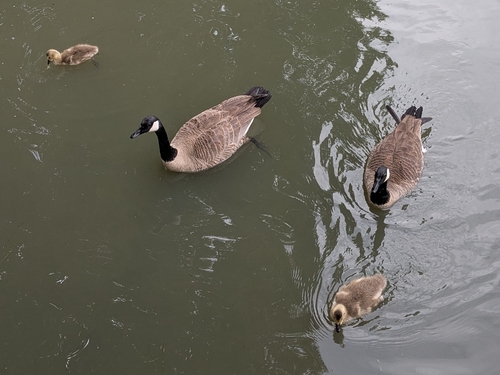
Duck

Bellevue Botanical Garden offers a vibrant oasis of Pacific Northwest flora.
Bellevue Botanical Garden offers a vibrant oasis of Pacific Northwest flora. This 53-acre urban sanctuary is a testament to diverse horticulture and natural beauty, providing a free, accessible escape for all. It beautifully showcases plants that thrive in the region, alongside inspiring garden designs and restored natural areas, attracting over 400,000 visitors annually.
Visitors can explore a variety of meticulously curated gardens, each with its own unique character. Wander through the American-style Perennial Border, recognized as one of the largest public perennial gardens in the U.S. maintained by volunteers, boasting year-round color. Discover the serene Yao Garden, a Japanese-themed landscape honoring Bellevue's sister city, featuring delicate maples, azaleas, and stone lanterns beside a tranquil stream. Don't miss the dramatic Ravine Experience, a 150-foot suspension bridge offering unparalleled views into the native forest canopy and ravine below.
From the vibrant Fuchsia Garden, attracting hummingbirds in summer, to the educational Native Discovery Garden and the water-conserving Waterwise Garden, there's inspiration for every gardener and nature lover. Seasonal displays, like the breathtaking spring blooms of tulips, rhododendrons, and cherry blossoms, ensure a fresh experience with every visit. The garden also hosts various art installations, including "The Lost Bird Project" through late summer 2026, adding a thoughtful dimension to the natural landscape. Turn your visit into a safari! Use the Snappit app to scan and log wildlife sightings here.
The Bellevue Botanical Garden's origins trace back to 1981 when Cal and Harriet Shorts generously donated their 7.5-acre home and property to the City of Bellevue, with the vision of creating a public park. This foundational gift was soon followed by the proposal in 1984 by Bob and Iris Jewett to establish a botanical garden, leading to the formation of the Bellevue Botanical Garden Society. Through dedicated efforts and additional land acquisitions, the garden expanded significantly. The Bellevue Botanical Garden officially opened its doors to the public on June 27, 1992, showcasing initial features such as the Perennial Border, the Yao Garden, and the Fuchsia Garden. It stands today as a successful partnership between the City of Bellevue and the Bellevue Botanical Garden Society, recognized as a leading botanical garden in the nation.
Stroll through diverse themed gardens, enjoy the natural wetlands and restored woodlands, walk across the 150-foot suspension bridge, observe hummingbirds in the Fuchsia Garden, and appreciate art installations. Participate in guided docent tours offered on weekends from April through October.
Spring: Witness an explosion of tulips, daffodils, rhododendrons, and cherry blossoms.
Summer: Enjoy the peak display of fuchsias and dahlias, and the vibrant colors of the Perennial Border.
Autumn: Experience spectacular fall foliage, with maples and other deciduous trees showcasing brilliant reds, oranges, and yellows.
Winter: Though quieter, the garden offers serene landscapes and year-round interest from evergreens. The annual "Garden d'Lights" event transforms the garden into a magical winter wonderland with elaborate light displays (ticketed event).
The Bellevue Botanical Garden strives for accessibility. Accessible parking is available, and restrooms near the Trillium Store are wheelchair accessible. The parking lot and pathways around buildings are paved. The majority of main garden pathways are covered with 3/8 minus gravel, an ADA-compliant material. Some trails may be sloped, and visitors with limited mobility are encouraged to consult the Trail & Accessibility Guide.
The Perennial Border, Yao Garden, Ravine Experience with its suspension bridge, Rhododendron Glen, Fuchsia Garden, Native Discovery Garden, Waterwise Garden, Rock Garden, Urban Meadow, and the seasonal Dahlia Display. Look out for current art installations like "The Lost Bird Project" (on view through late summer 2026).
Each card links to a full Explore page with photos, traits, and fun facts.
Start with the big picture, then zoom in to explore individual wildlife observations around this place.
Wear comfortable shoes, as you'll be exploring 53 acres of diverse landscapes and trails.
Bring your camera to capture the stunning plant collections, architectural elements, and seasonal displays.
Arrive early, especially on weekends, to secure free parking in the garden's lot.
Check the garden's calendar online for seasonal events, workshops, guided tours, and special exhibits like "Garden d'Lights" or "Arts in the Garden."
Utilize the free Wi-Fi and QR code plant markers throughout the garden to learn more about specific plant species.
Consider packing a picnic to enjoy at the Tateuchi Viewing Pavilion, offering a pleasant spot beneath towering red cedar trees.
Jun 6, 2026
Photo attribution
(c) York Niu, some rights reserved (CC BY)
License: CC BY 4.0 ↗
Image may be shown cropped inside the card frame.
Jun 7, 2026
Jun 6, 2026
Jun 5, 2026
Jun 5, 2026

Maryland, US
You might spot White-Tailed Deer and Eastern Gray Squirrel.
View guide →
.jpg)
District of Columbia, US
You might spot Eastern Gray Squirrel, Duck, and House Sparrow.
View guide →

Illinois, US
You might spot American Robin, Canada Goose, and House Sparrow.
View guide →

Virginia, US
You might spot Spotted Lanternfly and Northern Cardinal.
View guide →
Take the discovery with you
Identify the wildlife you spot, learn as you go, and keep a collection of the adventure.