





Blue-winged Kookaburra
Dacelo leachii
The Blue-winged Kookaburra is a cheerful bird known for its loud, laughing call. With bright blue wings and a friendly face, it loves to perch on trees and watch for tasty insects to eat.
Habitat: Forests
The Blue-winged Kookaburra has a creamy-white belly contrasted with a dark brown cap and striking sky-blue feathers on its wings. Its pale eyes give it a watchful appearance, making it distinct from other kookaburras.
Category
BirdsRarity
Common
Danger
1/5 · Very low
Snaps
Be the first to snap!
Blue-winged Kookaburras are Australia's largest species of kingfisher.
Older siblings often help their parents raise new baby kookaburras.
Their 'laugh' is a loud territory call, not a sign of happiness!
They often bash big prey against a branch to stun it before eating!
Blue-winged Kookaburra can make a loud, cackling 'laugh' because of its unique vocal cords, used for territorial calls.
Blue-winged Kookaburra can spot tiny prey from high branches thanks to its keen eyesight, helping it hunt efficiently.
Blue-winged Kookaburra has a strong, dagger-like beak that helps it safely subdue even dangerous snakes and lizards.
These birds are hunters, eating insects, reptiles, small mammals, and even fish!
Pseudonaja textilis
preys on young venomous snakes
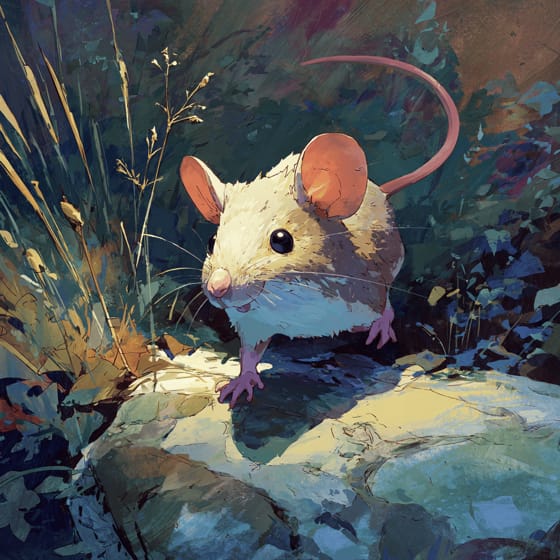
Mus musculus
hunts small rodents in its foraging areas
Eucalyptus camaldulensis
often nests in hollows of tall gum trees
Aquila audax
larger raptors may occasionally prey on adults
Feathered describes animals, primarily birds, possessing a covering of feathers.
Social animals live in organized groups, cooperating for survival benefits such as foraging, defense, and raising offspring.
Singing animals produce complex vocalizations, often for purposes of attracting mates, defending territory, or communicating within their species.
Colorful describes organisms or objects displaying a wide range of bright and distinct colors.

This trait identifies organisms whose diet primarily consists of insects and other small invertebrates.

Forest habitats are terrestrial environments dominated by dense tree cover, supporting a high diversity of plant and animal life.

Diurnal animals are primarily active during daylight hours, typically resting or sleeping at night.
No aliases listed yet.
Danger
1/5 · Very low
Enjoy watching birds from a distance and don’t try to touch them.
The easiest way to identify Blue-winged Kookaburra is to use the Snappit nature identifier app.
38-46 cm
64-70 cm
0.26-0.33 kg
12-15 years
40 km/h
These birds are hunters, eating insects, reptiles, small mammals, and even fish!
Forests
Zoom in to split clusters and explore where this object has been snapped.
Recent snaps will appear here as new observations are added.
Take the discovery with you
Snap it with Snappit to identify it, learn what makes it special, and add the discovery to your collection.






.jpg&width=800)







