.jpg&width=800)





American Woodcock
Scolopax minor
The American Woodcock is a funny-looking bird with a long beak and big eyes. It loves to hide in the woods and can be tricky to spot, especially when it flies away with its zigzagging flight!
Habitat: Forests
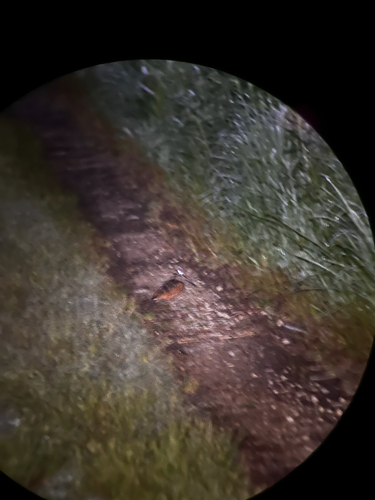
The American Woodcock is a plump, medium-sized bird with a very long, straight bill and notably large, dark eyes set high on its head. Its mottled brown, black, and rufous plumage provides superb camouflage, making it blend seamlessly into leaf litter.
Category
BirdsRarity
Common
Danger
1/5 · Very low
Snaps
6
Despite being plump, they can fly straight up like a rocket!
Nicknamed 'Timberdoodle,' they love woodlands and doodle for worms.
Their brain is almost upside-down, helping them see behind while probing!
Their high-set eyes allow them 360-degree vision without moving their head!
American Woodcock can probe soft soil with its sensitive bill to find and extract earthworms quickly.
American Woodcock has enormous eyes that allow it to see clearly in very dim light at dawn and dusk.
American Woodcock can perform a spectacular 'sky dance' flight display to attract mates above woodlands.
American Woodcock has cryptic plumage that helps them blend perfectly into leaf litter, avoiding predators.
They mostly slurp up earthworms and other soft-bodied invertebrates from the soil.
Lumbricus terrestris
They probe soil to find and eat these rich, wiggly morsels.
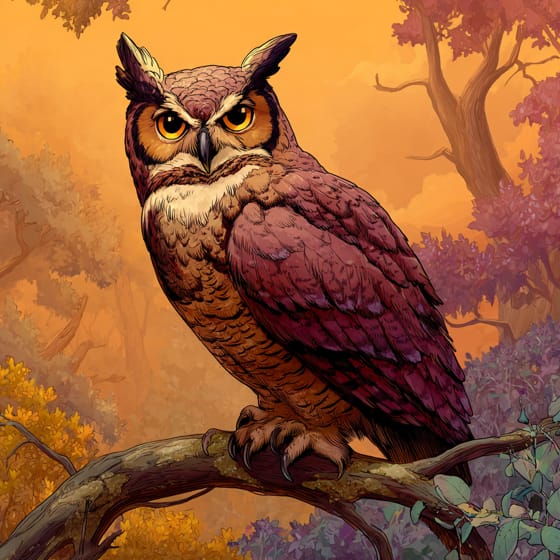
Bubo virginianus
Nocturnal owls hunt woodcocks, especially during migration.

Procyon lotor
Raccoons raid nests for eggs and chicks in their ground nests.
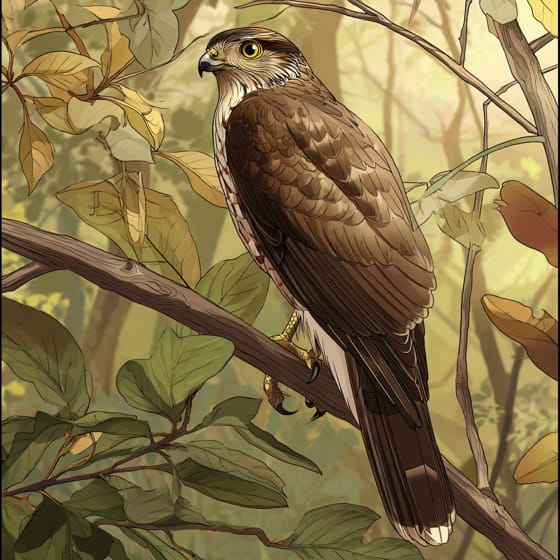
Accipiter cooperii
Fast, agile forest hawks hunt adult woodcocks.
Feathered describes animals, primarily birds, possessing a covering of feathers.
Solitary animals live alone for most of their lives, only interacting with others for mating or parental care.
Aerial creatures spend a significant portion of their lives airborne, utilizing flight for various activities such as hunting, migration, or nesting.
This trait identifies organisms whose diet primarily consists of insects and other small invertebrates.

Forest habitats are terrestrial environments dominated by dense tree cover, supporting a high diversity of plant and animal life.

Migratory animals undertake seasonal movements from one region to another, typically in response to changes in climate or food availability.

Nocturnal animals are primarily active during the nighttime hours, typically resting or sleeping during the day.
No aliases listed yet.
Danger
1/5 · Very low
If you see a woodcock, watch quietly from a distance so you don't scare it away.
The easiest way to identify American Woodcock is to use the Snappit nature identifier app.
25-30 cm
42-48 cm
0.14-0.28 kg
2-8 years
35 km/h
They mostly slurp up earthworms and other soft-bodied invertebrates from the soil.
Forests
Zoom in to split clusters and explore where this object has been snapped.
Jun 6, 2026
Bascom HillPhoto attribution
(c) Mason Holum, some rights reserved (CC BY)
License: CC BY 4.0 ↗
Image may be shown cropped inside the card frame.

Connecticut, US
You might spot Striped Wintergreen and Common Eastern Bumble Bee.
View guide →

Missouri, US
You might spot Common Eastern Bumble Bee and Brown-Belted Bumble Bee.
View guide →
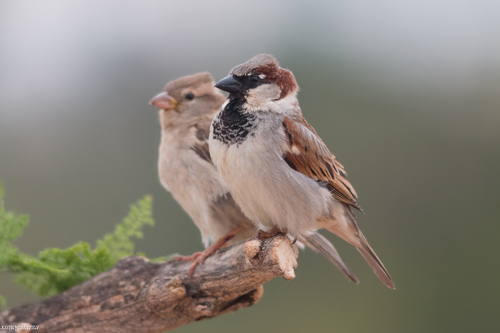
Pennsylvania, US
You might spot House Sparrow, Spotted Lanternfly, and American Robin.
View guide →

Connecticut, US
You might spot Striped Wintergreen and Common Eastern Bumble Bee.
View guide →

Connecticut, US
You might spot Downy Woodpecker and Eastern Gray Squirrel.
View guide →

New York, US
You might spot Rock Pigeon, House Sparrow, and Eastern Gray Squirrel.
View guide →
Take the discovery with you
Snap it with Snappit to identify it, learn what makes it special, and add the discovery to your collection.




.jpg&width=800)







