.jpg&width=800)




Comb Duck
Sarkidiornis sylvicola
The Comb Duck is a unique bird with a big, fluffy crest on its head. It loves to swim in wetlands and can often be seen waddling around looking for food.
Habitat: Wetlands
The Comb Duck is a large duck with iridescent blue-black upperparts and a contrasting white belly. Males have a distinctive, large, fleshy black knob (or 'comb') on their bill, making them stand out from females and other ducks.
Category
BirdsRarity
Common
Danger
1/5 · Very low
Snaps
Be the first to snap!
A group of Comb Ducks can be called a 'paddling' or 'raft' when on water!
Comb Ducks sometimes lay their eggs in the nests of other bird species!
Despite being ducks, they prefer to build their nests in tree cavities or abandoned nests.
Its unique comb swells up and becomes even more colorful when it's time to find a partner!
Comb Duck males have a unique fleshy comb that helps them attract mates during the breeding season.
Comb Ducks can swim gracefully and dive efficiently for food, using strong webbed feet to navigate wetlands.
This duck often perches in trees, an unusual trait for many duck species, helping them scan for danger.
This duck eats a mix of yummy aquatic plants, seeds, and small water creatures.
Age differences: Ducklings initially eat more protein-rich insects, shifting towards more plant matter as adults.
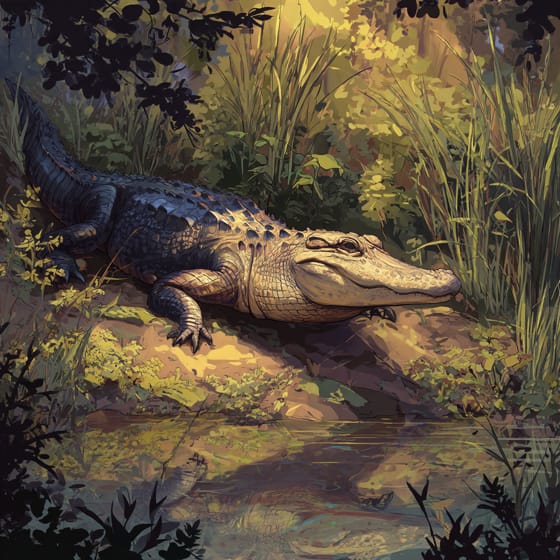
Alligator mississippiensis
Large reptiles prey on ducklings and adult Comb Ducks.

Haliaeetus leucocephalus
Large raptors can catch ducks from the sky or water.
Nymphaea alba
Feeds on seeds and vegetative parts of aquatic plants.
Typha latifolia
Provides nesting cover and foraging areas in wetland habitats.
Characterized by having toes connected by a membrane, typically aiding in swimming.
Crested describes animals possessing a prominent tuft of feathers, hair, or skin on their head.
Social animals live in organized groups, cooperating for survival benefits such as foraging, defense, and raising offspring.
This trait identifies organisms whose diet includes both plant and animal matter.

Filter feeders obtain nutrients by straining suspended food particles and small organisms from water.

This habitat trait identifies species found in wetlands, which are areas of land saturated with water, either permanently or seasonally, including marshes, swamps, and bogs.

Diurnal animals are primarily active during daylight hours, typically resting or sleeping at night.
Danger
1/5 · Very low
Enjoy watching birds from a distance and don't try to touch them.
The easiest way to identify Comb Duck is to use the Snappit nature identifier app.
56-76 cm
116-142 cm
0.6-2.9 kg
10-15 years
75 km/h
This duck eats a mix of yummy aquatic plants, seeds, and small water creatures.
Wetlands
Zoom in to split clusters and explore where this object has been snapped.
Recent snaps will appear here as new observations are added.
Take the discovery with you
Snap it with Snappit to identify it, learn what makes it special, and add the discovery to your collection.




.jpg&width=800)










