Giraffes

The Living Desert Zoo and Gardens offers an immersive journey into the world's diverse desert ecosystems.
The Living Desert Zoo and Gardens offers an immersive journey into the world's diverse desert ecosystems. This unique zoological and botanical garden focuses on conservation and education, providing a captivating experience that transports visitors through arid landscapes from North America to Africa and Australia. Spanning 1,200 acres in Palm Desert, with 80 developed for exhibits, it stands as a testament to the beauty and resilience of desert life.
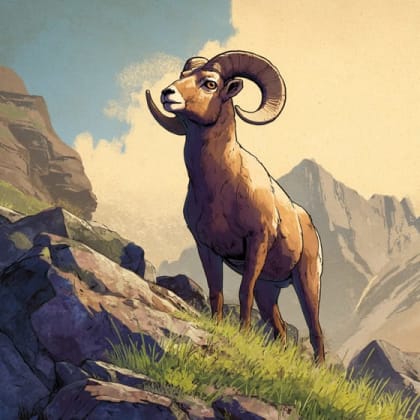
Explore a rich tapestry of habitats, encountering over 500 animals representing more than 150 species, alongside lush botanical collections featuring over 1,400 plant species. Highlights include the thrilling Rhino Savanna, home to black rhinos Nia and Jaali, and the immersive Australian Adventures, where Bennett's wallabies roam freely, and kookaburras and emus captivate. In the Wild Americas section, visitors can spot majestic mountain lions, elusive Mexican wolves, and iconic desert bighorn sheep. Interactive experiences, like feeding the graceful giraffes with their impressively long tongues, create unforgettable memories for all ages.
Beyond its animal residents, the Living Desert celebrates the botanical wonders of deserts worldwide, showcasing stunning cacti, succulents, and agave collections, as well as unique desert plant gardens. Educational programs, a significant model train exhibit depicting desert landmarks, and conservation efforts reinforce the zoo's commitment to protecting endangered species and inspiring environmental stewardship. It's a place where wonder and learning converge, inviting you to discover the vibrant life that thrives in seemingly harsh environments. Turn your visit into a safari! Use the Snappit app to scan and log wildlife sightings here.
The Living Desert Zoo and Gardens began its journey in 1970 as a 360-acre wilderness preserve, envisioned by trustees of the Palm Springs Desert Museum, including naturalist Philip L. Boyd. Initially established to protect and interpret the delicate ecology of the Coachella Valley, it soon evolved beyond a botanical preserve. By 1974, it housed early animal residents like a kit fox, tortoises, lizards, and bighorn sheep. Under the leadership of Karen Sausman, who became President and CEO, the institution grew significantly, expanding its focus to include desert habitats and species from around the world, particularly Africa. It was accredited by the Association of Zoos and Aquariums (AZA) in 1983 and is also a member of the World Association of Zoos and Aquariums (WAZA), demonstrating its commitment to professional standards and global conservation. Over the decades, new exhibits like Eagle Canyon (1992), Australian Adventures (2020), and the Rhino Savanna (2021) have continued to enhance its offerings and conservation impact.
Animal Encounters: Participate in giraffe feeding or visit the Petting Kraal with domestic African livestock like Nigerian dwarf goats.
* **Themed Regions: ** Wander through African Safari, Wild Americas, and Australian Adventures to see diverse desert wildlife.
* **Botanical Gardens: ** Explore various themed gardens showcasing native and exotic desert flora, including cactus and succulent collections.
* **Hiking Trails: ** Enjoy several miles of hiking trails that lead into the nearby Santa Rosa Mountains, especially pleasant in the evenings.
* **Discovery Center: ** Engage with interactive exhibits.
* **Wildlife Wonders Show: ** Catch live animal presentations at the amphitheater.
Fall/Winter (Oct-May): Pleasant temperatures make it the best time for extended exploration. WildLights is a dazzling holiday festival in winter, transforming the zoo with millions of lights and festive activities.
Spring: Witness the desert in bloom, and visit the seasonal butterfly pavilion.
Summer (June-Sept): The zoo operates on modified early morning hours (7:00 am - 1:30 pm) due to extreme heat. Arrive very early to avoid the hottest parts of the day; animals are more active in the cooler morning. Wild Nights events offer a chance to experience the park after dark.
The Living Desert offers wheelchair rentals, shaded areas, and ADA-compliant pathways throughout the park. There is also accessible parking. Some exhibits might have barriers that impact wheelchair users' views, but efforts are made for inclusivity, including monoculars for low vision visitors, assisted listening devices, and sensory tools like noise-canceling headphones.
Don't miss the chance to feed a giraffe, explore the spacious Rhino Savanna, or walk among the wallabies in Australian Adventures. The Wild Americas section offers sightings of desert bighorn sheep, mountain lions, and Mexican wolves. Younger visitors will enjoy the Gecko Gulch playground and the impressive G-scale model train exhibit.
Each card links to a full Explore page with photos, traits, and fun facts.
Start with the big picture, then zoom in to explore individual wildlife observations around this place.
Arrive Early
Especially during peak season or warmer months, arriving right at opening ensures cooler temperatures and more active animals.
Hydrate and Protect
Bring plenty of water, wear hats, sunglasses, and apply sunscreen, as much of the park is outdoors in a desert environment.
Wear Comfortable Shoes
The park involves a significant amount of walking, with pathways that can be paved or unpaved.
Consider the Shuttle
If you have small children or get tired easily, a shuttle service is available to transport you around the larger exhibits.
Buy Tickets Online in Advance
Purchasing tickets online can sometimes offer a price break and save time at the entrance.
Plan Giraffe Feeding
If feeding giraffes is a priority, head there early as lines can form.
Jun 6, 2026
Jun 6, 2026
Jun 5, 2026
Jun 4, 2026
Jun 4, 2026

Michigan, US
You might spot African Lion, Komodo Dragon, and Brown Bear.
View guide →
.jpg)
Municipal District of Cobh, IE
You might spot Ring-Tailed Lemur, Giraffes, and Cheetahs.
View guide →

Nouvelle-Aquitaine, FR
You might spot Greater Flamingo, Giraffes, and Red Panda.
View guide →

Texas, US
You might spot Giraffes, African Lion, and Eastern Black Rhinoceros.
View guide →
Take the discovery with you
Identify the wildlife you spot, learn as you go, and keep a collection of the adventure.

























.jpg&width=800)