.jpg&width=800)





Bluecrown passionflower
Passiflora caerulea
The Bluecrown passionflower is a beautiful flower with bright blue and white petals. It attracts butterflies and bees, making gardens colorful and lively!
Habitat: Urban areas
The Bluecrown passionflower has striking, complex flowers featuring five white or pale blue petals, topped with a dramatic fringe of blue, purple, and white filaments. Its unique center holds bright green stigmas and yellow anthers, making it look like a tiny, intricate clock.
Category
PlantsRarity
Common
Danger
1/5 · Very low
Snaps
Be the first to snap!
Its fruit changes from green to bright orange or yellow as it ripens!
Its springy tendrils help the vine hold on tight, even in windy weather!
Some older tales say its intricate flower helped tell the time of day!
The passionflower can grow new plants from just a piece of its stem!
Bluecrown passionflower can grip surfaces with springy tendrils, helping it climb high to reach sunlight and spread its flowers.
Its intricate, colorful flowers act like a special landing strip and beacon for specific insects, attracting them for pollination.
This vine grows yummy passionfruit, which animals eat to help spread its seeds far and wide, making more passionflowers.
Apis mellifera
Collects nectar and pollen.
Heliconius erato
Visits flowers for nectar.

Agraulis vanillae
Larvae feed on leaves.
Homo sapiens
Consumes ripe fruit.
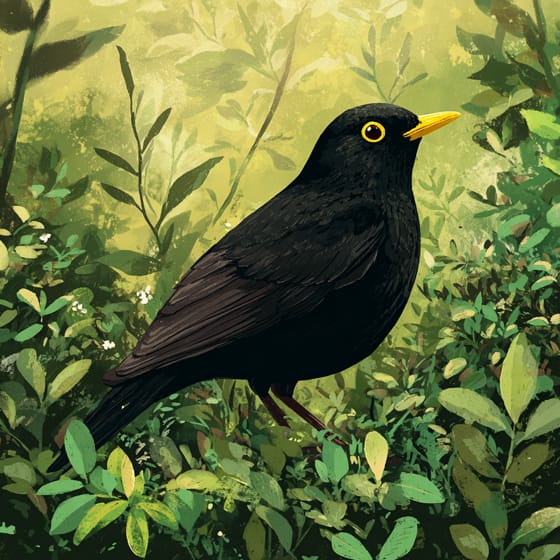
Turdus merula
Eats ripe fruit, dispersing seeds.
Flowering plants are any plants that produce flowers as part of their reproductive cycle.
Fruit-bearing plants produce fruits, which are the mature ovaries of flowering plants containing seeds.
Colorful describes organisms or objects displaying a wide range of bright and distinct colors.
Edible plants are those parts of a plant that are considered safe for human consumption.

Describes plants that are particularly attractive and beneficial to a wide range of pollinating organisms.

Rapid growing plants exhibit accelerated growth rates, quickly increasing in size and biomass within a short period.

This habitat trait indicates species that can coexist with humans in urban and suburban environments, utilizing man-made structures and green spaces.
No aliases listed yet.
Danger
1/5 · Very low
Don't eat any part of the plant without asking an adult first.
The easiest way to identify Bluecrown passionflower is to use the Snappit nature identifier app.
300-900 cm
100-300 cm
5-10 cm
Late spring to early fall, or year-round in warm climates
Yes
Mild
Perennial
Zoom in to split clusters and explore where this object has been snapped.
Recent snaps will appear here as new observations are added.
Take the discovery with you
Snap it with Snappit to identify it, learn what makes it special, and add the discovery to your collection.








.jpg&width=800)



_001.jpg&width=800)



