





Boat-billed Heron
Cochlearius cochlearius
The Boat-billed Heron is a unique bird with a big, flat bill that looks like a boat! They are often found resting quietly near water, waiting to catch fish and frogs.
Habitat: Wetlands
The Boat-billed Heron has a distinctive, broad, and flat black bill resembling a boat's hull. Its head is topped with a shaggy black cap, contrasting with a white forehead and a greyish body. Chestnut-colored flanks add a touch of warm color to its otherwise muted plumage.
Category
BirdsRarity
Common
Danger
1/5 · Very low
Snaps
Be the first to snap!
Baby boat-bills have a normal heron bill, changing as they grow!
Boat-billed herons are more closely related to night-herons than typical herons!
Their deep calls sound like frogs or barking dogs at night!
They often nest in groups, sometimes with other water birds!
Boat-billed Herons can scoop up prey from shallow water because their unique, wide bill acts like a net, trapping food.
Boat-billed Herons have large eyes adapted for low light, which helps them see clearly and hunt effectively in the dark.
Boat-billed Herons have grey and black plumage that helps them blend perfectly into shadowy wetland environments, allowing them to surprise prey.
These nocturnal hunters primarily use their special bill to scoop up fish, insects, and frogs!
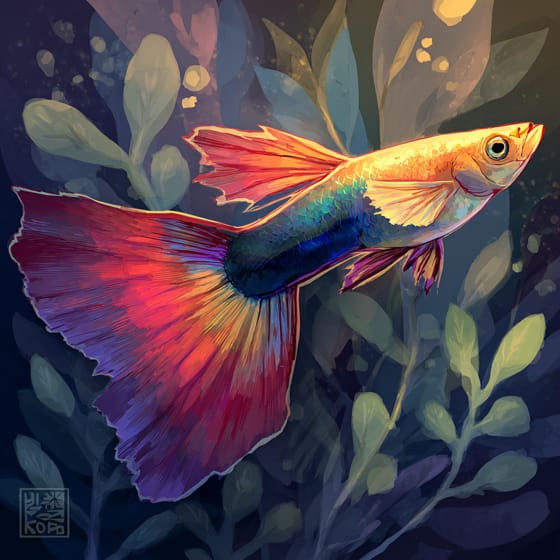
Poecilia reticulata
A small fish often hunted by herons.
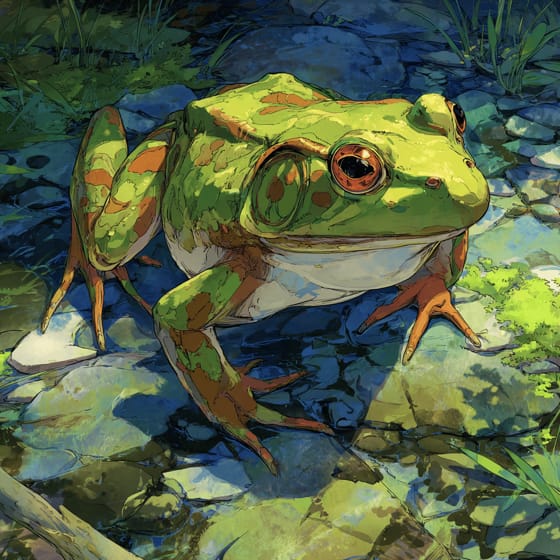
Lithobates catesbeianus
Adults and tadpoles are prey in wetland habitats.
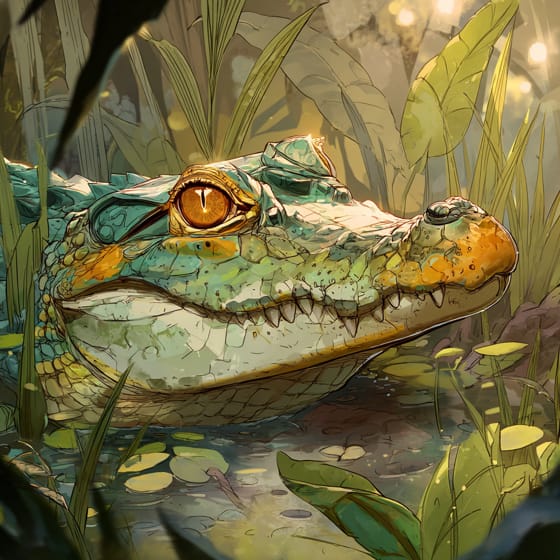
Caiman crocodilus
Preys on heron eggs and chicks in nesting colonies.

Rhizophora mangle
Provides safe nesting and roosting sites above water.
Feathered describes animals, primarily birds, possessing a covering of feathers.
Solitary animals live alone for most of their lives, only interacting with others for mating or parental care.
Camouflaged describes organisms that possess coloring or patterns that allow them to blend into their environment.
Piscivorous organisms are animals that primarily subsist on a diet of fish.

An ambush predator hunts by patiently waiting and concealing itself, then launching a sudden attack when unsuspecting prey comes within range.

This habitat trait identifies species found in wetlands, which are areas of land saturated with water, either permanently or seasonally, including marshes, swamps, and bogs.

Nocturnal animals are primarily active during the nighttime hours, typically resting or sleeping during the day.

Endangered status indicates a species is at a very high risk of extinction in the wild in the near future.
No aliases listed yet.
Danger
1/5 · Very low
Always watch birds from a distance so they feel safe and can fly away.
The easiest way to identify Boat-billed Heron is to use the Snappit nature identifier app.
45-55 cm
76-80 cm
0.5-0.6 kg
10-12 years
35 km/h
These nocturnal hunters primarily use their special bill to scoop up fish, insects, and frogs!
Wetlands
Zoom in to split clusters and explore where this object has been snapped.
Recent snaps will appear here as new observations are added.
Take the discovery with you
Snap it with Snappit to identify it, learn what makes it special, and add the discovery to your collection.




.jpg&width=800)








