




red mangrove
Rhizophora mangle
The red mangrove is a special tree that grows in coastal areas. It has long roots that stick out of the water, helping to keep the shoreline safe and providing homes for many animals.
Habitat: Coastal areas
The red mangrove is easily recognized by its distinctive arching prop roots that rise above the water, appearing reddish-brown. It has shiny, dark green oval leaves and small, pale yellowish flowers. Its bark is generally grayish but often shows red tones.
Category
PlantsRarity
Common
Danger
1/5 · Very low
Snaps
12
Red mangrove forests can capture four times more carbon dioxide than rainforests, helping the planet breathe!
Some animals, like tiny barnacles, live *inside* the mangrove's roots, creating a secret underwater world!
The long, cigar-shaped "seeds" are actually seedlings, ready to grow as soon as they land!
Their bark is so full of a special red dye, it was once used to tan leather and color fabrics!
This plant has unique seeds that germinate while still attached, dropping as 'propagules' ready to float and root elsewhere.
Its iconic arching prop roots anchor the tree firmly in unstable, soft muddy soils, providing strong support against tides and storms.

Lutjanus griseus
provides safe habitat for young fish
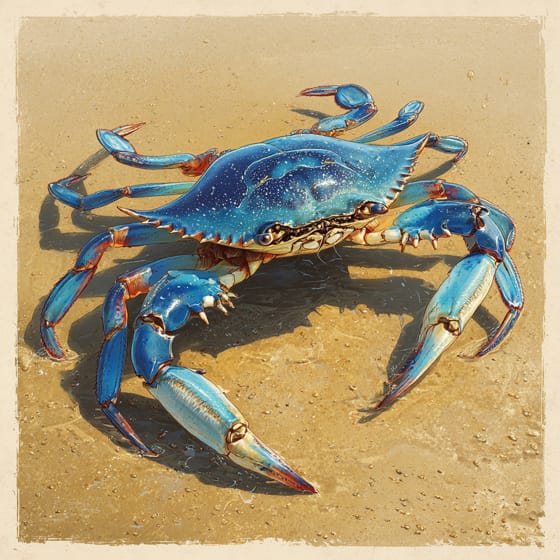
Callinectes sapidus
hides among roots from predators
Sphaeroma terebrans
bores into prop roots

Egretta caerulea
builds nests in branches
Flowering plants are any plants that produce flowers as part of their reproductive cycle.
Broadleaf trees are angiosperms characterized by flat, wide leaves that are typically shed annually in temperate climates.
Evergreen plants retain their foliage throughout the year, never shedding all their leaves at once.
Salt tolerant plants can withstand and grow in conditions with elevated salinity levels in the soil or water.

Rapid growing plants exhibit accelerated growth rates, quickly increasing in size and biomass within a short period.

Timber refers to wood that has been prepared for use in building and carpentry.

Coastal habitats are dynamic environments located along the interface between land and sea, influenced by tides, waves, and saltwater.

Describes a species whose presence and role have a disproportionately large effect on its environment.

Marine habitats encompass all saltwater environments of the Earth's oceans, supporting an immense diversity of aquatic life.

Threatened status denotes a species likely to become endangered in the foreseeable future without effective conservation interventions.
No aliases listed yet.
Danger
1/5 · Very low
Stay away from the water's edge near mangroves, as the roots can be slippery.
The easiest way to identify red mangrove is to use the Snappit nature identifier app.
200-2000 cm
300-1000 cm
1-2 cm
Year-round, peaking spring/summer
No
None
Perennial
Zoom in to split clusters and explore where this object has been snapped.

US
You might spot Double-Crested Cormorant, Sea Grape, and Great Blue Heron.
View guide →
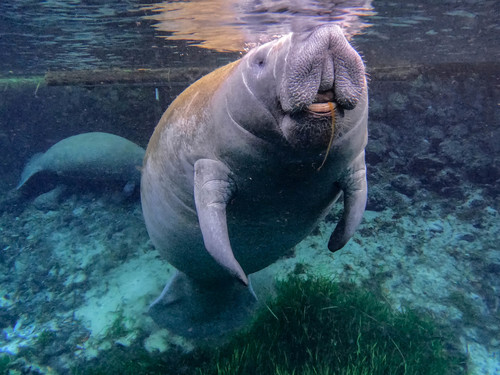
US
You might spot West Indian Manatee, Scarlet Skimmer, and Queen.
View guide →

US
You might spot Brown Anole, Peters's Rock Agama, and Red Mangrove.
View guide →

Georgia, US
You might spot American Alligator, Laughing Gull, and Cannonball Jelly.
View guide →

US
You might spot Great Barracuda, Gray Snapper, and Red Mangrove.
View guide →

Florida, US
You might spot Julia Heliconian, Marlberry, and White Peacock.
View guide →
Take the discovery with you
Snap it with Snappit to identify it, learn what makes it special, and add the discovery to your collection.








.jpg&width=800)


_001.jpg&width=800)



