




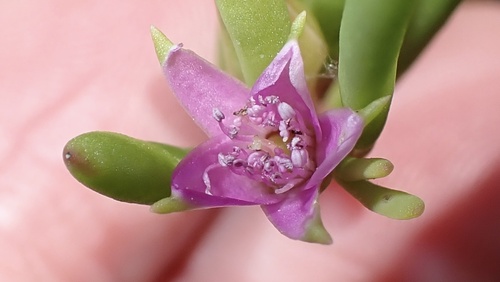
sea purslane
Sesuvium portulacastrum
Sea purslane is a fun, green plant that grows near the beach! It has thick, juicy leaves and pretty little flowers. This plant loves salty air and can even grow in sandy soil.
Habitat: Coastal areas
The sea purslane has thick, fleshy, bright green to reddish succulent leaves and stems that creep along the ground. It features small, star-shaped flowers that are typically pink or magenta, creating a vibrant contrast against its robust foliage.
Category
PlantsRarity
Common
Danger
1/5 · Very low
Snaps
3
In several cultures, its fresh leaves are a tasty addition to salads or cooked like spinach!
Its tiny seeds can float for months, helping sea purslane spread to distant beaches worldwide!
Some people call it "pickleweed" because its salty leaves taste surprisingly tangy and crunchy!
This amazing plant helps prevent sand dunes from washing away during strong storms and winds!
Sea purslane thrives in salty soil by storing and shedding excess salt in its leaves.
Sea purslane has thick, succulent leaves that store precious water, helping it survive dry coastal conditions.
Sea purslane spreads by rooting new plants from its stems wherever they touch the ground.
Its sprawling roots and stems help to anchor loose sand, preventing erosion on fragile coastlines.
Apis mellifera
collects nectar from its flowers
Uca annulipes
hides among its dense growth
Spodoptera litura
larvae feed on its succulent leaves
Flowering plants are any plants that produce flowers as part of their reproductive cycle.
Evergreen plants retain their foliage throughout the year, never shedding all their leaves at once.
Salt tolerant plants can withstand and grow in conditions with elevated salinity levels in the soil or water.
Drought-tolerant plants can survive and flourish in conditions with limited water availability.

Succulent plants have thickened, fleshy parts, usually leaves or stems, adapted to store water in arid climates.

Describes plants that are particularly attractive and beneficial to a wide range of pollinating organisms.

Coastal habitats are dynamic environments located along the interface between land and sea, influenced by tides, waves, and saltwater.
No aliases listed yet.
Danger
1/5 · Very low
Always explore plants with an adult and never eat anything you find without asking.
The easiest way to identify sea purslane is to use the Snappit nature identifier app.
10-30 cm
50-150 cm
0.5-1 cm
Summer-Fall
Yes
None
Perennial
Zoom in to split clusters and explore where this object has been snapped.
May 26, 2026
Hickam Air Force BasePhoto attribution
(c) Robin White, some rights reserved (CC BY)
License: CC BY 4.0 ↗
Image may be shown cropped inside the card frame.

Hawaii, US
You might spot Spotted Dove, Zebra Dove, and Java Sparrow.
View guide →

Hawaii, US
You might spot Red Junglefowl, Brown Anole, and Common Gallinule.
View guide →

Hawaii, US
You might spot Black-Necked Stilt and Red Junglefowl.
View guide →
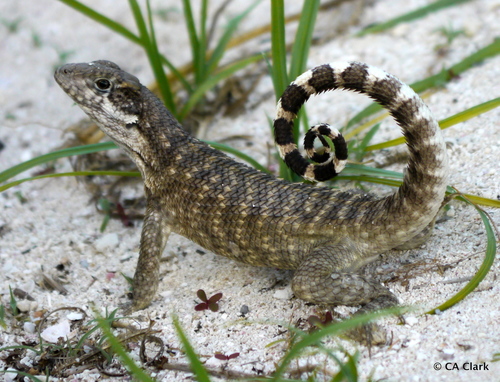
Florida, US
You might spot Northern Curly-Tailed Lizard and Green Iguana.
View guide →
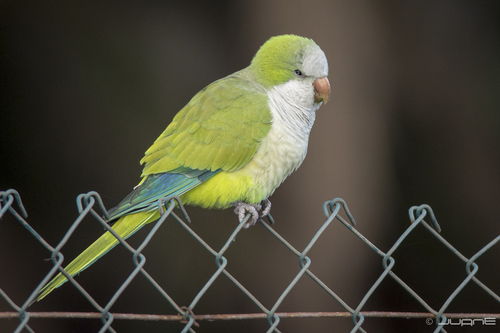
Florida, US
You might spot Monk Parakeet, Peters's Rock Agama, and Brown Pelican.
View guide →

Florida, US
You might spot Willet, Lightning Whelk, and Ruddy Turnstone.
View guide →
Take the discovery with you
Snap it with Snappit to identify it, learn what makes it special, and add the discovery to your collection.








.jpg&width=800)



_001.jpg&width=800)



