





Narrowleaf Firethorn
pyracantha angustifolia
The Narrowleaf Firethorn has beautiful green leaves and bright orange berries! It's a favorite among birds and other wildlife looking for food.
Habitat: Narrowleaf Firethorn commonly grows in gardens, parks, and along roadsides.
The Narrowleaf Firethorn is a dense, evergreen shrub featuring long, slender, dark green leaves. It produces abundant clusters of small white flowers in spring, followed by bright orange-red berries that persist through fall and winter. Its branches are famously spiky.
Category
PlantsRarity
Common
Danger
1/5 · Very low
Snaps
Be the first to snap!
Even in winter snow, its bright berries bring a burst of color to the garden!
Its name "Firethorn" comes from its fiery-colored berries and sharp thorns!
Some Narrowleaf Firethorn plants can be trained to grow flat against walls!
This plant can live for many, many years, providing beauty for a long time!
Narrowleaf Firethorn has sharp thorns that help it protect its branches and berries from hungry animals.
Narrowleaf Firethorn produces vibrant berries that attract birds, helping to spread its seeds far and wide.
Narrowleaf Firethorn keeps its colorful berries through winter, providing food and shelter when little else is available.
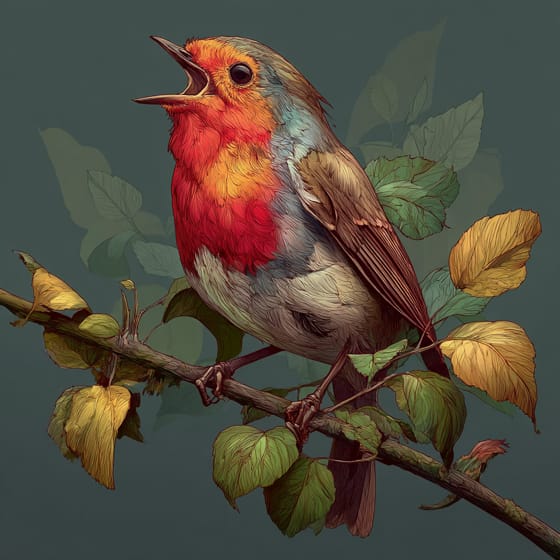
Turdus migratorius
eats its nutritious berries for energy.
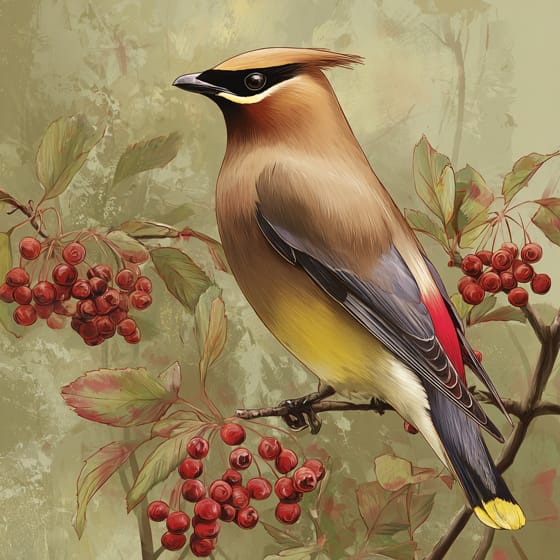
Bombycilla cedrorum
feasts on its abundant winter berries.
Apis mellifera
collects nectar and pollen from its small white flowers.

Troglodytes troglodytes
builds nests safely within its thorny branches.

Odocoileus virginianus
may browse its leaves, despite the thorns.
Colorful describes organisms or objects displaying a wide range of bright and distinct colors.
This trait characterizes organisms whose diet consists entirely or primarily of plant material.
Forest habitats are terrestrial environments dominated by dense tree cover, supporting a high diversity of plant and animal life.
Diurnal animals are primarily active during daylight hours, typically resting or sleeping at night.

Describes organisms that transfer pollen, enabling the fertilization and reproduction of plants.
Danger
1/5 · Very low
The berries are not safe to eat, so don't try them!
The easiest way to identify Narrowleaf Firethorn is to use the Snappit nature identifier app.
200-600 cm
200-500 cm
0.5-1 cm
Late spring to early summer
No
Mild
Perennial
Zoom in to split clusters and explore where this object has been snapped.
Recent snaps will appear here as new observations are added.
Take the discovery with you
Snap it with Snappit to identify it, learn what makes it special, and add the discovery to your collection.








.jpg&width=800)



_001.jpg&width=800)




