





Bolitophila
Bolitophila
Bolitophila is a special type of insect that loves to live in cool, damp places. They are small and can be found in forests and wetlands, where they help break down dead plants and leaves.
Habitat: Wetlands
The Bolitophila is a small, delicate fly with a slender, dark body and long, multi-segmented antennae. Its clear wings are often longer than its body, giving it a somewhat mosquito-like appearance but without the biting mouthparts.
Category
InsectsRarity
Common
Danger
1/5 · Very low
Snaps
Be the first to snap!
Adults are super tiny flies that only live for about a week, focusing just on mating!
Bolitophila are ancient insects; their ancestors have been around for millions of years!
Some Bolitophila species are famous for creating dazzling light shows inside dark caves!
Their larvae look like tiny, translucent worms, often found hanging from cave ceilings!
Bolitophila larvae can weave sticky silk webs to catch small insects, acting like tiny spiders in damp places.
Bolitophila larvae are equipped to digest decaying fungi and dead wood, transforming waste into new life.
Larvae feast on fungi and ensnare small insects, while adult Bolitophila typically don't eat at all!
Age differences: Larvae actively feed and hunt, but adult Bolitophila typically do not eat, focusing only on reproduction.
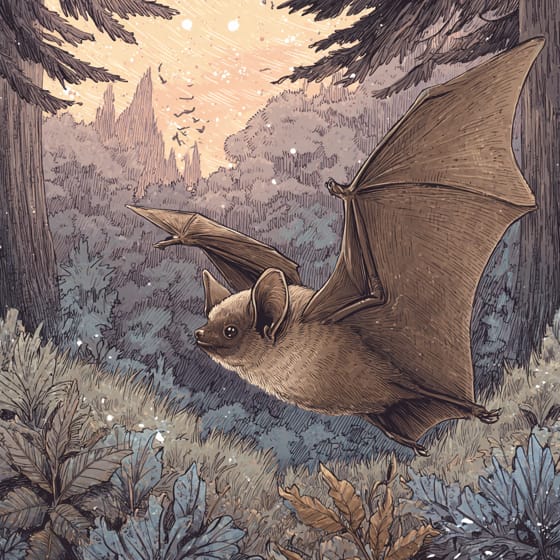
Myotis lucifugus
Bats prey on adult Bolitophila, especially in cave habitats.
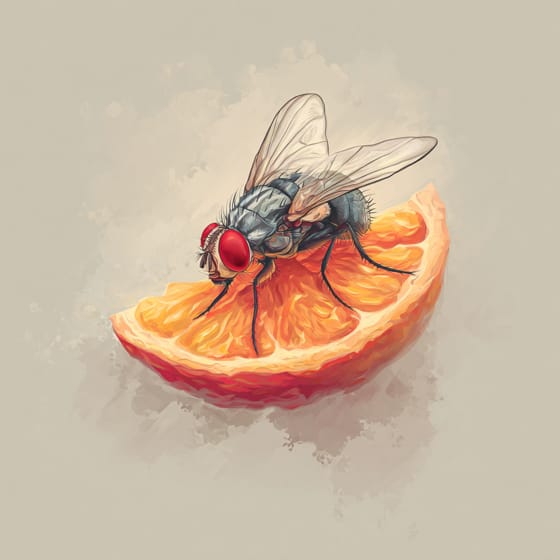
Drosophila melanogaster
Larvae trap small flies like fruit flies in their sticky webs.

Armillaria mellea
Larvae feed on decaying fungi, helping decompose wood.
Tegenaria domestica
Spiders capture adult Bolitophila flying near their webs.
Solitary animals live alone for most of their lives, only interacting with others for mating or parental care.
Describes organisms that break down dead organic material, recycling nutrients back into the ecosystem.
Forest habitats are terrestrial environments dominated by dense tree cover, supporting a high diversity of plant and animal life.
This habitat trait identifies species found in wetlands, which are areas of land saturated with water, either permanently or seasonally, including marshes, swamps, and bogs.

Describes a species whose presence and role have a disproportionately large effect on its environment.

Pertaining to species that are significantly smaller than typical or average for their kind.

Pertaining to organisms that emit light through bioluminescence or fluorescence.

Nocturnal animals are primarily active during the nighttime hours, typically resting or sleeping during the day.

Describes organisms that transfer pollen, enabling the fertilization and reproduction of plants.
No aliases listed yet.
Danger
1/5 · Very low
It's best to observe insects from a distance and not touch them.
The easiest way to identify Bolitophila is to use the Snappit nature identifier app.
4-10 mm
2-5 mm
30-90 days
1-2 km/h
Larvae feast on fungi and ensnare small insects, while adult Bolitophila typically don't eat at all!
Wetlands
Ambush
Zoom in to split clusters and explore where this object has been snapped.
Recent snaps will appear here as new observations are added.
Take the discovery with you
Snap it with Snappit to identify it, learn what makes it special, and add the discovery to your collection.









.jpg&width=800)


