





Bolson tortoise
Gopherus flavomarginatus
The Bolson tortoise is a special turtle that lives in the deserts of Mexico. It has a hard shell and can hide inside it when scared. These tortoises are very slow and love to munch on plants.
Habitat: Desert
The Bolson tortoise has a large, high-domed shell that is yellowish-brown to dark brown, often with a subtle yellow rim. Its stout legs are covered in thick, protective scales, and its head is relatively small compared to its impressive body size. These features distinguish it from other desert tortoises.
Category
ReptilesRarity
Rare
Danger
1/5 · Very low
Snaps
Be the first to snap!
Scientists thought they were extinct until 1959!
Their burrows can be 10 meters long, acting like underground apartments!
They sometimes stomp their feet to warn others of danger.
This tortoise is North America's largest native land reptile!
Bolson tortoise can dig extensive, deep burrows using its powerful, clawed forelegs that helps them escape extreme desert temperatures.
Bolson tortoise can survive long droughts by storing water in its bladder that helps them stay hydrated in the arid desert.
Bolson tortoise can create complex underground homes that maintain stable temperatures, helping them avoid both scorching heat and freezing cold.
Bolson tortoise has an incredibly long lifespan due to a slow metabolism that helps them thrive over many decades in harsh environments.
They munch on desert grasses, cacti, and flowers to get food and precious water.
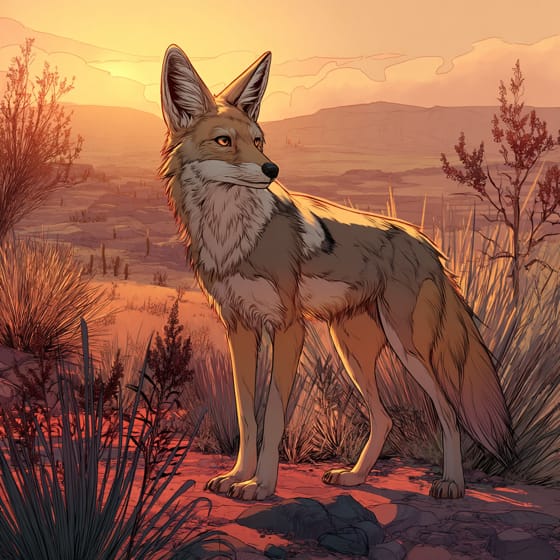
Canis latrans
Coyotes sometimes prey on younger or smaller tortoises.
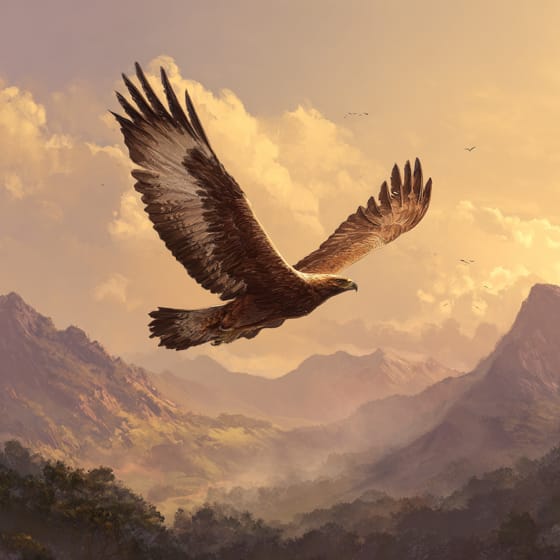
Aquila chrysaetos
Golden eagles can spot and snatch young tortoises from above.
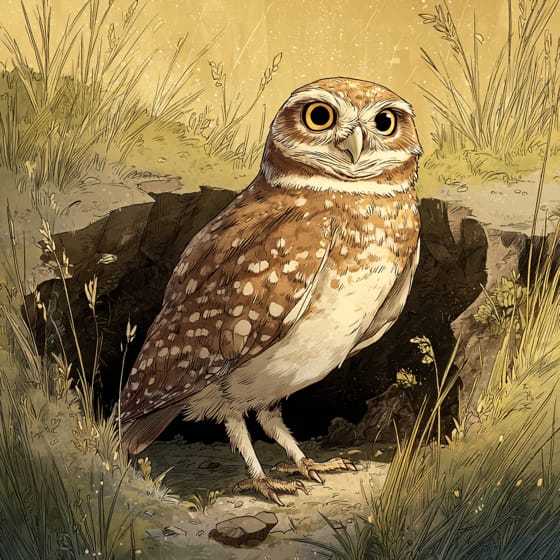
Athene cunicularia
Burrowing owls often nest in abandoned or active tortoise burrows.
Bouteloua gracilis
This tortoise grazes on Blue Grama grass, a common desert plant.
Dipodomys merriami
Kangaroo rats find shelter from predators and heat inside tortoise burrows.
Solitary animals live alone for most of their lives, only interacting with others for mating or parental care.
This trait characterizes organisms whose diet consists entirely or primarily of plant material.
Desert habitats are arid regions characterized by extremely low precipitation and often extreme temperatures, supporting specialized flora and fauna.
This trait signifies organisms belonging to a very old evolutionary group with ancestors dating back millions of years.

This trait characterizes organisms with an exceptionally long lifespan compared to others of their kind.

Armored describes animals protected by a hard, external covering or shell for defense.

Diurnal animals are primarily active during daylight hours, typically resting or sleeping at night.

Endangered status indicates a species is at a very high risk of extinction in the wild in the near future.
No aliases listed yet.
Danger
1/5 · Very low
Always watch from a distance and don't touch wild tortoises; they need their space.
The easiest way to identify Bolson tortoise is to use the Snappit nature identifier app.
25-46 cm
8-18 kg
60-100 years
0.5 km/h
They munch on desert grasses, cacti, and flowers to get food and precious water.
Desert
Foraging
Zoom in to split clusters and explore where this object has been snapped.
Recent snaps will appear here as new observations are added.
Take the discovery with you
Snap it with Snappit to identify it, learn what makes it special, and add the discovery to your collection.















