





Brazilian pepper
Schinus terebinthifolia
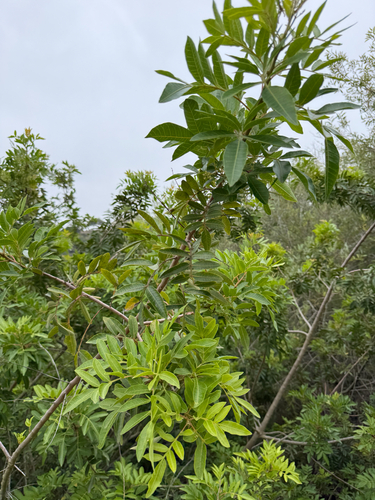
The Brazilian pepper is a bushy plant with bright green leaves and small, red berries. It grows in warm places and can be found in many areas, making it a familiar sight in nature.
Habitat: Urban areas
The Brazilian pepper has dense, dark green leaves with reddish stems and vibrant clusters of small, shiny red berries in fall and winter. Its multi-stemmed growth can form a sprawling shrub or small tree, standing out with its bright fruit.
Category
PlantsRarity
Common
Danger
2/5 · Low
Snaps
5
Birds love its bright red berries, spreading its seeds far and wide.
Its "peppercorns" are actually fruits, not true pepper spices!
This tough plant can grow into a dense bush or tree in many places.
Touching its sap can make your skin itchy, so be careful!
Brazilian pepper can grow quickly and spread widely, helping it take over new areas.
Its dense leaves stay green all year, shading out other plants below it.
Brazilian pepper can endure various soils and dry conditions, helping it thrive.
Apis mellifera
collects nectar and pollen
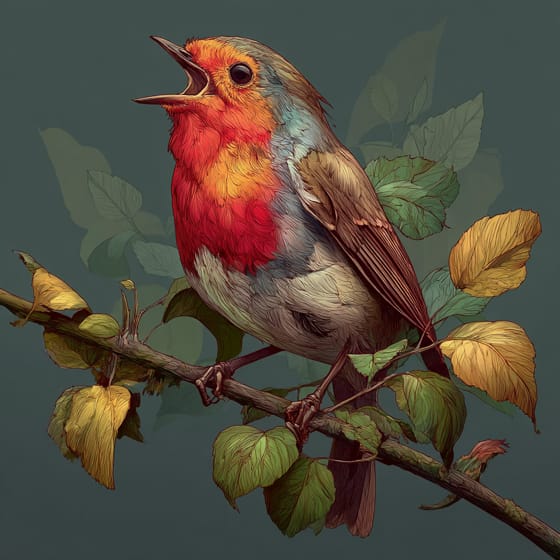
Turdus migratorius
disperses seeds by consuming berries
Pseudophilothrips ichini
feeds on new leaves, slowing growth
Flowering plants are any plants that produce flowers as part of their reproductive cycle.
A shrub is a woody plant smaller than a tree, typically with multiple stems branching from or near the ground.
Broadleaf trees are angiosperms characterized by flat, wide leaves that are typically shed annually in temperate climates.
Evergreen plants retain their foliage throughout the year, never shedding all their leaves at once.

Fruit-bearing plants produce fruits, which are the mature ovaries of flowering plants containing seeds.

Edible plants are those parts of a plant that are considered safe for human consumption.

Describes plants that are particularly attractive and beneficial to a wide range of pollinating organisms.

Rapid growing plants exhibit accelerated growth rates, quickly increasing in size and biomass within a short period.

This human use trait indicates species from which spices are derived, used for flavoring, preserving food, or as aromatic agents.

This habitat trait indicates species that can coexist with humans in urban and suburban environments, utilizing man-made structures and green spaces.

Invasive species are non-native organisms that cause harm to the environment, economy, or human health.
Danger
2/5 · Low
Avoid touching the berries, as they can cause skin irritation for some people.
The easiest way to identify Brazilian pepper is to use the Snappit nature identifier app.
300-1000 cm
200-800 cm
0.2-0.4 cm
Fall_winter
No
Moderate
Perennial
Zoom in to split clusters and explore where this object has been snapped.
Jun 4, 2026
Naval Training Center San DiegoPhoto attribution
(c) Rachel Lee Harper, some rights reserved (CC BY)
License: CC BY 4.0 ↗
Image may be shown cropped inside the card frame.

California, US
You might spot Sunburst Anemone, Ochre Sea Star, and Striped Shore Crab.
View guide →

California, US
You might spot Western Fence Lizard, Duck, and Black Phoebe.
View guide →

Florida, US
You might spot Eastern Redcedar, Fetterbush Lyonia, and Virginia Creeper.
View guide →

California, US
You might spot Western Gull, Snowy Egret, and Great Blue Heron.
View guide →

California, US
You might spot Western Gull, Snowy Egret, and Great Blue Heron.
View guide →
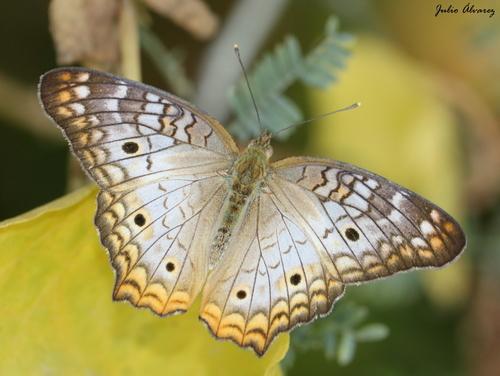
Florida, US
You might spot White Peacock, Trailing Daisy, and Great Blue Heron.
View guide →
Take the discovery with you
Snap it with Snappit to identify it, learn what makes it special, and add the discovery to your collection.








.jpg&width=800)

_001.jpg&width=800)


