Western Fence Lizard

South Coast Botanic Garden is a sprawling 87-acre horticultural haven on the Palos Verdes Peninsula, transforming a former landfill into a vibrant ecological success story.
South Coast Botanic Garden is a sprawling 87-acre horticultural haven on the Palos Verdes Peninsula, transforming a former landfill into a vibrant ecological success story. Home to over 200,000 plants and 2,000 species from around the globe, including unique collections from Australia and South Africa, it offers a stunning display of flora and a peaceful retreat from urban life. This innovative garden stands as a testament to land reclamation, showcasing how beauty can blossom from unexpected beginnings.
Visitors can explore a diverse array of themed gardens, each offering a distinct botanical experience. Wander through the fragrant James J. White Rose Garden, designed to showcase a variety of roses for both formal and informal settings. Discover the serene Japanese Garden with its calming koi pond and bonsai display, or marvel at the impressive collection in the Desert Garden. The Marilyn and John Long Children and Family Garden, currently undergoing expansion, promises interactive elements like a canopy walk and plant maze for younger explorers.
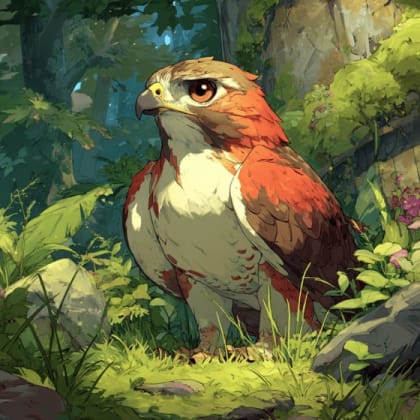
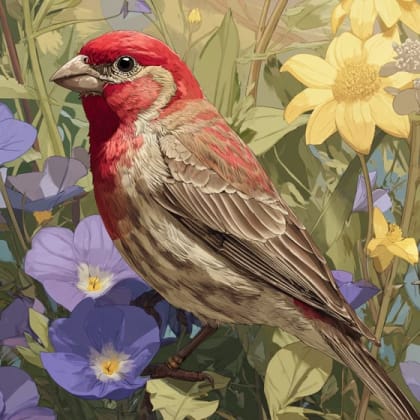
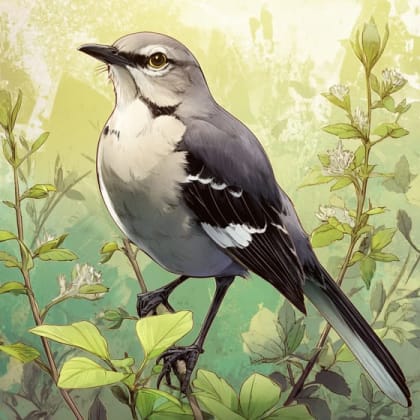
This unique garden provides an enriching experience for all ages, combining education, conservation, and natural beauty. With over five miles of trails, it's an ideal destination for leisurely strolls, nature photography, and simply enjoying the tranquility of diverse plant life and the over 200 species of birds that call the garden home or visit during migration. It's a living testament that spectacular landscapes can emerge from a commitment to environmental stewardship. Turn your visit into a safari! Use the Snappit app to scan and log wildlife sightings here.
The South Coast Botanic Garden boasts a remarkable history, rooted in a groundbreaking experiment in land reclamation. The land, once an open-pit mine from 1929 to 1956 for diatomite extraction, was then utilized as a sanitary landfill by Los Angeles County from 1957 to 1965, accumulating over 3.5 million tons of refuse. In 1959, propelled by the vision of local citizens, particularly Frances Young, a movement began to transform the 87-acre landfill into a botanical garden. In 1960, the County Board of Supervisors officially designated the site as the South Coast Botanic Garden, marking it as one of the world's first botanical gardens to be built on a sanitary landfill. The first major planting took place in 1961, with over 40,000 plants donated by individuals, nurseries, and the Los Angeles State & County Arboretum, proving that beauty could indeed blossom from a former waste site.
Walk or take a tram tour through the various themed gardens.
* Observe over 200 species of birds, including waterfowl around the lake.
* Participate in seasonal events like "Blossoms at Night" or the "Sunset Series" with live music and food.
* Explore art installations, such as the "Washed Ashore" sculptures made from ocean debris or "Hide and Seek: Art Meets Nature" featuring sculptures from LACMA.
* Visit the Children's Garden for family-friendly activities.
Spring/Early Summer: Peak bloom for many flowering plants, including roses and cherry blossoms.
Summer: Enjoy the "Sunset Series" with evening concerts and activities.
Fall: Lush greenery and changing colors.
Winter: Excellent for birdwatching, as the garden attracts migratory species.
The garden is designed to be accessible, with paved paths throughout, and recent renovations prioritize universal accessibility with ramps for wheelchairs and strollers. Tram tours are also available.
A two-acre formal garden showcasing many varieties of roses.
Features a tranquil koi pond, stone lanterns, and a bonsai display.
Designed for younger visitors with interactive elements (under expansion).
Home to an impressive collection of cacti and succulents.
Each card links to a full Explore page with photos, traits, and fun facts.
Start with the big picture, then zoom in to explore individual wildlife observations around this place.
Wear comfortable shoes, as there are over 5 miles of trails to explore.
Bring a hat, sunscreen, and water, especially on warmer days, as much of the garden is exposed.
Check the garden's website for a calendar of events, workshops, and seasonal activities before your visit to catch special exhibits or performances.
Consider taking the tram tour for an overview and narrated insights into the garden's collections and history.
For families, pack snacks and allow ample time for the Children and Family Garden.
Arrive early, especially on weekends, to avoid crowds and enjoy the cooler morning temperatures.
Jun 18, 2026
Photo attribution
(c) Kylie Etter, some rights reserved (CC BY)
License: CC BY 4.0 ↗
Image may be shown cropped inside the card frame.
Jun 20, 2026
Jun 19, 2026
Jun 19, 2026
Jun 19, 2026

Maryland, US
You might spot White-Tailed Deer and Eastern Gray Squirrel.
View guide →
.jpg)
District of Columbia, US
You might spot Eastern Gray Squirrel, Duck, and House Sparrow.
View guide →

Illinois, US
You might spot American Robin, Canada Goose, and House Sparrow.
View guide →

Virginia, US
You might spot Spotted Lanternfly and Northern Cardinal.
View guide →
Take the discovery with you
Identify the wildlife you spot, learn as you go, and keep a collection of the adventure.