Bristlenose Catfishes
ancistrus
Bristlenose Catfishes are small, friendly fish that love to munch on algae in their tanks. They have unique bristle-like growths on their noses that make them look very special!
Habitat: Freshwater rivers and lakes
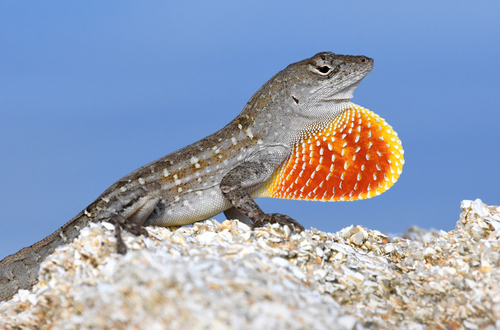
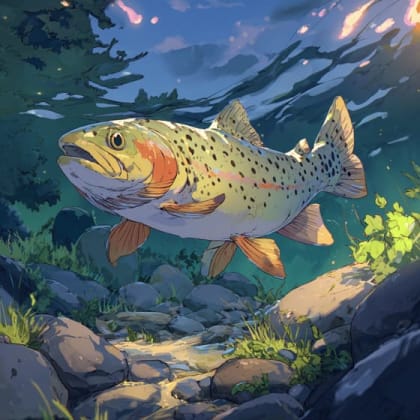
The Bristlenose Catfishes has a flattened body, often dark brown or grey, covered in bony plates. Its most distinctive feature is the prominent, branching 'bristles' on its snout, especially on males, which makes it look unique among catfish.
Category
FishRarity
Common
Danger
0/5 · No known danger
Snaps
Be the first to snap!
Baby bristlenoses are called 'fry' and are tiny!
Males guard their eggs fiercely until they hatch!
Some can live over 10 years in a well-kept aquarium!
They are masters of camouflage, blending perfectly with riverbeds!
Bristlenose Catfishes can cling to surfaces with their specialized suckermouth because of strong suction, that helps them stay put in fast currents.
Bristlenose Catfishes can scrape algae from rocks using specialized teeth, because of their unique mouth shape that helps them find food.
Bristlenose Catfishes has elaborate bristles on their snout that help them attract mates and defend territories.
These bottom-dwellers primarily graze on algae and plant matter found on submerged surfaces.
Serrasalmus rhombeus
Larger predatory fish that hunt small bottom-dwellers.
Pteronura brasiliensis
Apex predators of South American rivers that eat fish.

Osteoglossum bicirrhosum
Predatory fish that can consume smaller bottom-dwelling fish.
Social animals live in organized groups, cooperating for survival benefits such as foraging, defense, and raising offspring.
Colorful describes organisms or objects displaying a wide range of bright and distinct colors.
This trait characterizes organisms whose diet consists entirely or primarily of plant material.
Aquatic habitats encompass environments where organisms live predominantly in water, including oceans, rivers, lakes, and wetlands.

Nocturnal animals are primarily active during the nighttime hours, typically resting or sleeping during the day.
Danger
0/5 · No known danger
No special safety notes yet.
The easiest way to identify Bristlenose Catfishes is to use the Snappit nature identifier app.
8-15 cm
0.05-0.15 kg
5-10 years
These bottom-dwellers primarily graze on algae and plant matter found on submerged surfaces.
0.7 km/h
Freshwater rivers and lakes
Grazing
Zoom in to split clusters and explore where this object has been snapped.
Recent snaps will appear here as new observations are added.
Take the discovery with you
Snap it with Snappit to identify it, learn what makes it special, and add the discovery to your collection.