





Broad-bordered Bee Hawkmoth
Hemaris fuciformis
The Broad-bordered Bee Hawkmoth is a special insect that looks like a bee but is actually a moth! It has beautiful yellow and brown stripes and loves to sip nectar from flowers.
Habitat: Gardens and meadows
The Broad-bordered Bee Hawkmoth has a fuzzy, olive-green body with a reddish-brown tip on its abdomen. Its clear wings are bordered by a broad band of reddish-brown, making it visually distinct from a stinging bee or typical moth.
Category
InsectsRarity
Common
Danger
1/5 · Very low
Snaps
Be the first to snap!
It hums loudly as it flies, sounding exactly like a busy bee!
Its wings start scaled, but they shed them to become clear, just like magic!
The caterpillar has a cool 'horn' on its tail, but it's totally harmless!
This moth can fly backwards and sideways, showing amazing agility in the air!
Broad-bordered Bee Hawkmoth has a fuzzy, bee-like body that tricks predators into thinking it's a stinging bee for protection.
Broad-bordered Bee Hawkmoth can hover precisely in mid-air because of its rapid wing beats, helping it sip nectar from flowers.
Broad-bordered Bee Hawkmoth has a long, coiled proboscis that helps it reach deep inside flowers to drink sugary nectar.
Adults drink flower nectar, while their caterpillars munch on leaves to grow big and strong.
Age differences: Larvae eat leaves of honeysuckle and viburnum; adults drink nectar from various flowers.

Lonicera periclymenum
Feeds on nectar, helping the plant reproduce.

Viburnum opulus
Transfers pollen while collecting flower nectar.
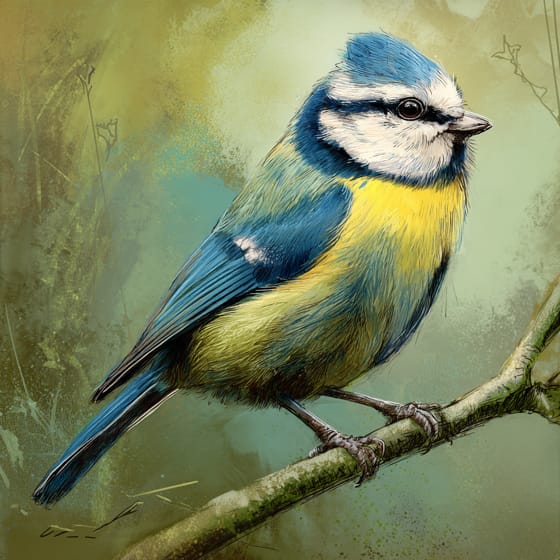
Cyanistes caeruleus
Caterpillars are a food source for hungry birds.
Apis mellifera
Shares nectar sources and helps pollinate flowers.
Furry describes animals possessing a dense covering of soft hair or fur.
Marked with parallel bands or lines of color.
This trait characterizes organisms whose diet consists entirely or primarily of plant material.
Describes plants that are particularly attractive and beneficial to a wide range of pollinating organisms.

Diurnal animals are primarily active during daylight hours, typically resting or sleeping at night.

This trait identifies organisms that exhibit exceptional swiftness in movement for hunting, escape, or travel.

Describes organisms that transfer pollen, enabling the fertilization and reproduction of plants.
Danger
1/5 · Very low
These moths are friendly and won't hurt you, but it's best to watch them from a distance.
The easiest way to identify Broad-bordered Bee Hawkmoth is to use the Snappit nature identifier app.
38-48 mm
32-38 mm
21-28 days
40 km/h
Adults drink flower nectar, while their caterpillars munch on leaves to grow big and strong.
Gardens and meadows
Foraging
Zoom in to split clusters and explore where this object has been snapped.
Recent snaps will appear here as new observations are added.
Take the discovery with you
Snap it with Snappit to identify it, learn what makes it special, and add the discovery to your collection.






.jpg&width=800)




