





Common Whitetail
Plathemis lydia
The Common Whitetail is a beautiful dragonfly with white patches on its wings. It loves to fly around ponds and sunny spots, making it a fun sight to see!
Habitat: Wetlands
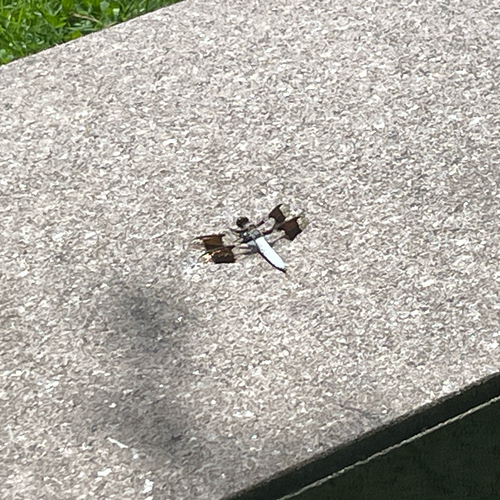
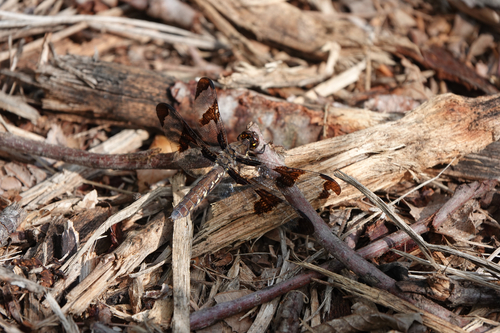
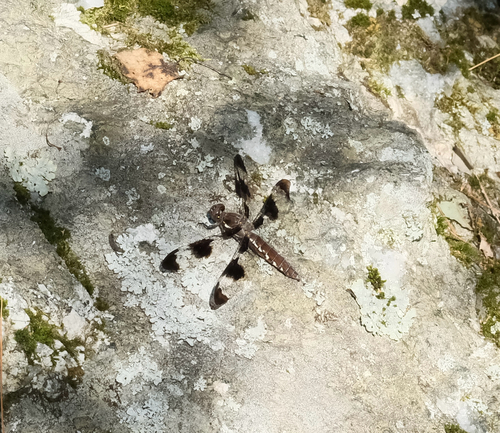
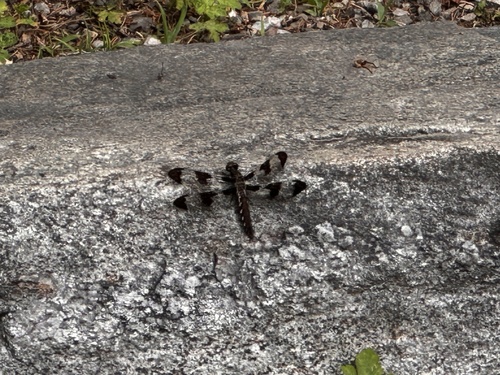
The Common Whitetail is a medium-sized dragonfly with a robust body. Males have a broad, chalky-white abdomen and dark patches at the base and middle of their clear wings. Females are yellowish-brown with a row of triangular spots along the abdomen and similar wing markings.
Category
InsectsRarity
Common
Danger
1/5 · Very low
Snaps
184
A single Common Whitetail can eat hundreds of mosquitoes every single day!
Baby Common Whitetails can live underwater for several years before they fly!
Dragonflies have been zipping around Earth for over 300 million years!
They hold their six spiky legs like a basket to scoop up prey right out of the air!
Common Whitetail has enormous compound eyes that help them spot tiny flying insects in almost every direction while hunting.
Common Whitetail can fly straight up, backward, or hover perfectly still because of their two pairs of independently moving wings.
Common Whitetail larvae have a special hinged jaw that shoots out to grab and catch prey underwater very quickly.
Common Whitetails are fierce insect hunters, eating many different kinds of small flying insects.
Age differences: Larvae (naiads) eat aquatic insects, tadpoles, and small fish, while adults only eat flying insects.
Aedes aegypti
Adults prey on this mosquito species.
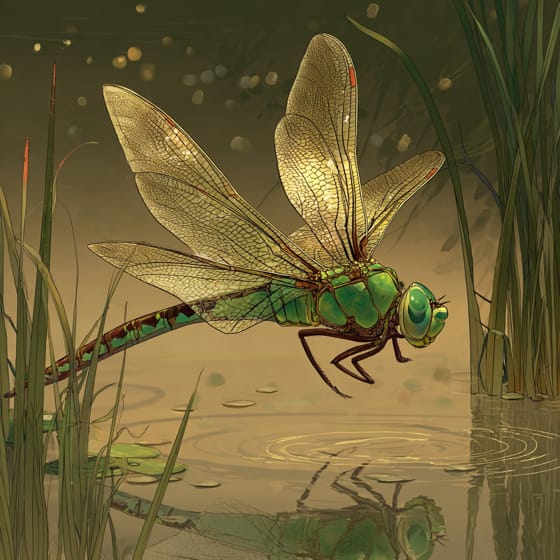
Anax junius
Larger dragonflies occasionally prey on smaller ones.
.jpg&width=800)
Tyrannus tyrannus
Adult dragonflies are a food source for these birds.
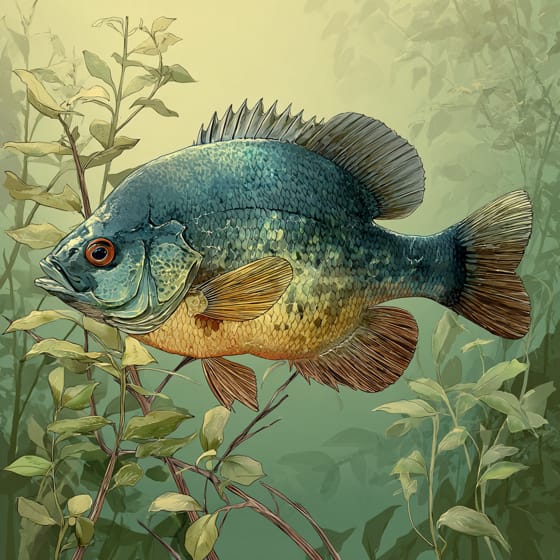
Lepomis macrochirus
Fish prey on Common Whitetail larvae underwater.
Solitary animals live alone for most of their lives, only interacting with others for mating or parental care.
Aerial creatures spend a significant portion of their lives airborne, utilizing flight for various activities such as hunting, migration, or nesting.
Colorful describes organisms or objects displaying a wide range of bright and distinct colors.
This trait identifies organisms whose diet primarily consists of insects and other small invertebrates.

This habitat trait identifies species found in wetlands, which are areas of land saturated with water, either permanently or seasonally, including marshes, swamps, and bogs.

Diurnal animals are primarily active during daylight hours, typically resting or sleeping at night.

Freshwater habitats include non-saline aquatic environments such as rivers, lakes, ponds, and wetlands, vital for numerous species.

This trait identifies organisms that exhibit exceptional swiftness in movement for hunting, escape, or travel.

Describes organisms that transfer pollen, enabling the fertilization and reproduction of plants.
No aliases listed yet.
Danger
1/5 · Very low
Dragonflies are safe to watch, but don't try to catch them; they are delicate.
The easiest way to identify Common Whitetail is to use the Snappit nature identifier app.
70-80 mm
39-50 mm
30-60 days
45 km/h
Common Whitetails are fierce insect hunters, eating many different kinds of small flying insects.
Wetlands
Pursuit
Zoom in to split clusters and explore where this object has been snapped.
Jun 19, 2026
Spy Pond FieldPhoto attribution
no rights reserved
License: CC0 1.0 ↗
Image may be shown cropped inside the card frame.
Jun 18, 2026
Gloucester Downtown Historic DistrictPhoto attribution
(c) V. Ross Johnson, some rights reserved (CC BY-SA)
License: CC BY-SA 4.0 ↗
Image may be shown cropped inside the card frame.
Jun 14, 2026
Days Ferry Historic DistrictPhoto attribution
(c) Doug Suitor, some rights reserved (CC BY)
License: CC BY 4.0 ↗
Image may be shown cropped inside the card frame.
Jun 12, 2026
Willowwood ArboretumPhoto attribution
(c) Bonnie Semmling, some rights reserved (CC BY)
License: CC BY 4.0 ↗
Image may be shown cropped inside the card frame.
Jun 7, 2026
SkylandsPhoto attribution
(c) gwt2102, some rights reserved (CC BY)
License: CC BY 4.0 ↗
Image may be shown cropped inside the card frame.

Virginia, US
You might spot Eastern Box Turtle and White-Tailed Deer.
View guide →

Ontario, CA
You might spot Canada Jay, American Beaver, and Black-Capped Chickadee.
View guide →

Maryland, US
You might spot Crane-Fly Orchid, Fragile Forktail, and Ebony Jewelwing.
View guide →

Wisconsin, US
You might spot Turkey, White-Tailed Deer, and Dame's Rocket.
View guide →

Vermont, US
You might spot Asian Bittersweet, Alder Buckthorn, and Eastern Newt.
View guide →

Rhode Island, US
You might spot Spotted Lanternfly, Duck, and American Robin.
View guide →
Take the discovery with you
Snap it with Snappit to identify it, learn what makes it special, and add the discovery to your collection.








.jpg&width=800)



