





Lunate Zale Moth
zale lunata
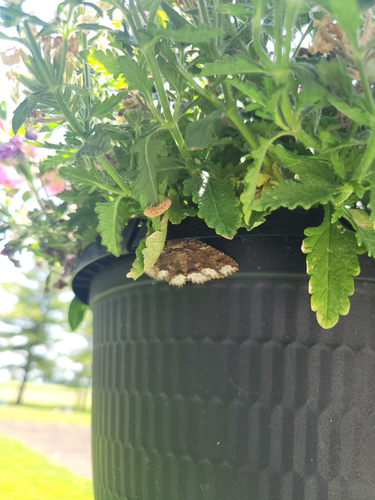
The Lunate Zale Moth has beautiful, fluffy wings that look like they are painted with soft colors. This little moth loves to fly around at night, making it a fun buddy to spot under the stars!
Habitat: Forests, gardens, and open fields.
The Lunate Zale Moth has dark, mottled wings, often grey or brownish, with a distinct pale, crescent-shaped mark on each forewing. Its hindwings are typically darker. This pattern helps it blend seamlessly with tree bark, making it tricky to spot.
Category
InsectsRarity
Common
Danger
0/5 · No known danger
Snaps
2
Caterpillars are often called "looper" or "inchworm" larvae because of how they move.
It can produce multiple generations of moths in a single year!
Its caterpillars have false "eyespots" to scare away predators!
The adult moth can sometimes "play dead" if it feels threatened.
Lunate Zale Moth can fly stealthily in the dark because of its nocturnal nature, which helps them find food and mates under the cover of night.
Lunate Zale Moth has a long, coiled proboscis that helps them sip nectar from deep flowers, providing energy for their nighttime flights.
Caterpillars munch on leaves, while adult moths enjoy sipping sweet flower nectar.
Age differences: Yes, young caterpillars eat leaves, but adult moths use a proboscis to drink nectar.

Quercus alba
Its caterpillars feed on the leaves of this tree.

Acer rubrum
Caterpillars are known to munch on leaves of red maple.
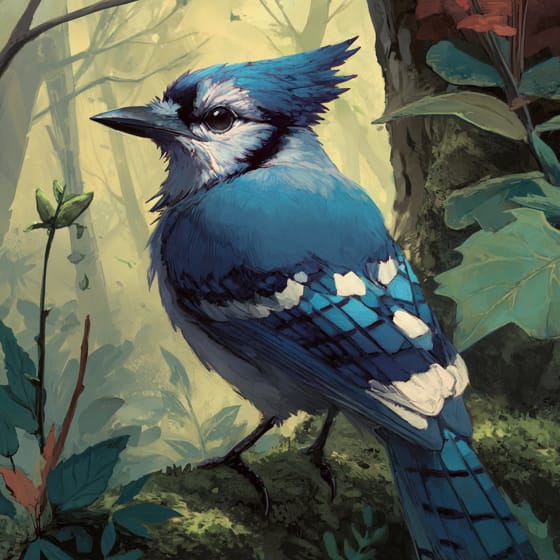
Cyanocitta cristata
Blue Jays and other birds often prey on the moth.
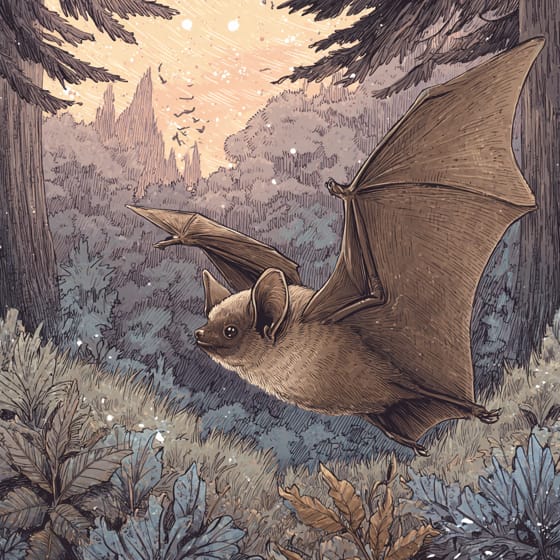
Myotis lucifugus
Bats hunt adult moths using echolocation at night.

Lonicera japonica
Adult moths visit night-blooming flowers like honeysuckle for nectar.
Solitary animals live alone for most of their lives, only interacting with others for mating or parental care.
Camouflaged describes organisms that possess coloring or patterns that allow them to blend into their environment.
Colorful describes organisms or objects displaying a wide range of bright and distinct colors.
Nocturnal animals are primarily active during the nighttime hours, typically resting or sleeping during the day.

Describes organisms that transfer pollen, enabling the fertilization and reproduction of plants.
Danger
0/5 · No known danger
No special safety notes yet.
The easiest way to identify Lunate Zale Moth is to use the Snappit nature identifier app.
35-55 mm
18-25 mm
7-20 days
8-15 km/h
Caterpillars munch on leaves, while adult moths enjoy sipping sweet flower nectar.
Forests, gardens, and open fields.
Foraging
Zoom in to split clusters and explore where this object has been snapped.
Jun 5, 2026
J. Edward Roush LakePhoto attribution
no rights reserved
License: CC0 1.0 ↗
Image may be shown cropped inside the card frame.

Indiana, US
You might spot Panthera Pardus Orientalis and Reticulated Giraffe.
View guide →
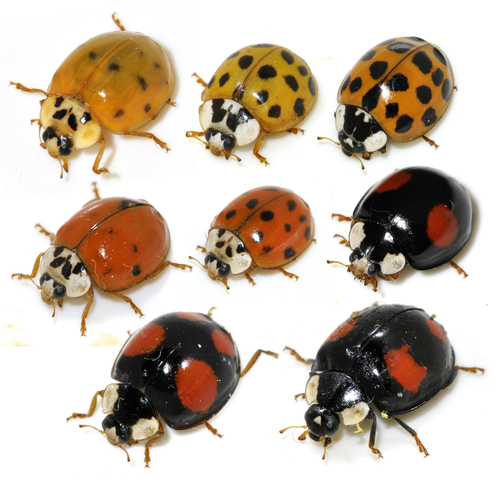
Indiana, US
You might spot Asian Lady Beetle and North American Wheel Bug.
View guide →
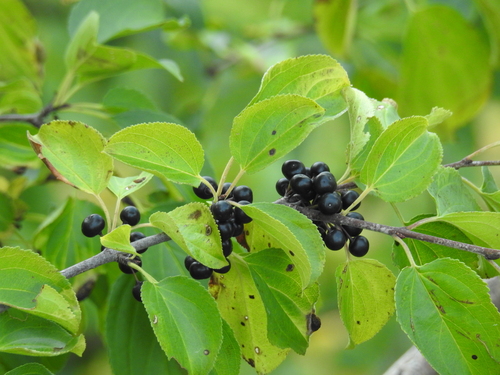
Michigan, US
You might spot Common Buckthorn, False Indigo Bush, and Honey Locusts.
View guide →
Take the discovery with you
Snap it with Snappit to identify it, learn what makes it special, and add the discovery to your collection.









.jpg&width=800)



