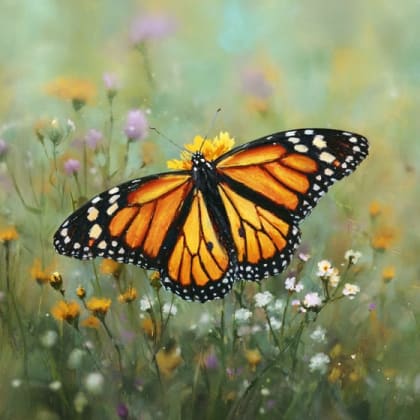





Monarch Butterfly

Fuller Gardens is a stunning botanical oasis, one of the last working turn-of-the-century estate gardens in the Northeast.
Fuller Gardens is a stunning botanical oasis, one of the last working turn-of-the-century estate gardens in the Northeast. This meticulously maintained garden, often described as a "stone's throw from the ocean," showcases horticulture at its finest, providing a tranquil and restorative experience.
Spread across three acres, the gardens feature diverse and captivating displays, including formal rose gardens boasting 1,700 to 2,000 bushes across 125 varieties that bloom from late June through October. Visitors can also explore serene English perennial borders, a peaceful Japanese Garden complete with a koi pond and a traditional shishi odoshi bamboo water feature, and a vibrant Tropical and Desert Conservatory housing 200-300 species of cacti and succulents. The charming Lydia Fuller Bottomly Garden, with its reflecting pool and marble statue, alongside seasonal dahlia and annual beds, adds to the visual feast.
A visit to Fuller Gardens is an opportunity to immerse yourself in natural beauty, where sculpted hedges frame exquisite plant collections and antique fountains and statuary provide artistic accents. The gentle sea breeze mingling with the fragrance of thousands of blooms creates a memorable sensory experience, making it a perfect retreat for garden lovers and those seeking peaceful contemplation. Take the ultimate field guide with you: use the Snappit app to identify birds, plants, and animals on your trip.
Fuller Gardens began as part of the grand summer estate, Runnymede-by-the-Sea, built in the late 1920s by Alvan T. Fuller, a successful businessman and former Governor of Massachusetts. He commissioned the gardens as an ornament to his home and a tribute to his wife, Viola. The initial design was crafted by landscape architect Arthur Shurtleff in 1927, with significant expansions and redesigns in the 1930s by the renowned Olmsted Brothers Firm, who introduced more formal rose gardens. Fuller collected many of the garden's statues and fountains during his travels through Europe. The original summer home was removed in 1962 to allow visitors an unobstructed view of the Atlantic Ocean, while the historic carriage house remains as a backdrop to the gardens. Fuller Gardens officially opened to the public after Alvan T. Fuller's death in 1958 and is now managed as a non-profit by the Fuller Foundation of New Hampshire.
Stroll through the themed garden rooms, enjoy the fragrant rose collections, observe the koi in the Japanese Garden, and admire the various plant specimens in the conservatory. Take photos of the unique statuary and carefully sculpted hedges. Consider a short walk across the street to see the charming white chapel and its ocean views.
While roses peak in early summer, cooler weather in late summer and fall can intensify their colors. The Japanese Garden typically blooms in May, and the perennial plantings ensure continuous interest from spring until fall.
Fuller Gardens is approximately 75% handicapped accessible. Grass and gravel paths are generally wider than 36 inches, though larger-wheeled devices are recommended for easier navigation. There is a wheelchair-accessible restroom and benches placed throughout the grounds for resting. The front garden area has three steps but offers alternative viewing locations. Registered service animals are permitted.
Don't miss the spectacular Formal Rose Gardens, the tranquil Japanese Garden with its koi pond, the diverse Tropical and Desert Conservatory, and the elegant Lydia Fuller Bottomly Garden featuring a reflecting pool. The English Perennial Borders, dahlia displays, and numerous sculptures and fountains are also essential viewing.
Each card links to a full Explore page with photos, traits, and fun facts.
Start with the big picture, then zoom in to explore individual wildlife observations around this place.
Plan your visit between late June and early July for the most spectacular display of the renowned rose gardens.
Arrive early in the day to enjoy a quieter experience and capture stunning photographs in the soft morning light.
Wear comfortable walking shoes suitable for both paved, gravel, and grass pathways.
Bring your camera to capture the vibrant floral displays, intricate garden designs, and historic statuary.
Check the official Fuller Gardens website (fullergardens.org) for information on special events, workshops, or seasonal tours that might enhance your visit.
Before or after your garden visit, take a short walk across the street to admire the charming white chapel and its scenic ocean views.
May 31, 2026
May 31, 2026
May 29, 2026
May 29, 2026
May 29, 2026

Maryland, US
You might spot White-Tailed Deer and Eastern Gray Squirrel.
View guide →
.jpg)
District of Columbia, US
You might spot Eastern Gray Squirrel, Duck, and House Sparrow.
View guide →

Illinois, US
You might spot American Robin, Canada Goose, and House Sparrow.
View guide →

Virginia, US
You might spot Spotted Lanternfly and Northern Cardinal.
View guide →
Take the discovery with you
Identify the wildlife you spot, learn as you go, and keep a collection of the adventure.





















