





lowbush blueberry
Vaccinium angustifolium
Lowbush blueberries are small, tasty berries that grow close to the ground. They are sweet and delicious, making them a favorite snack for kids and animals alike!
Habitat: Forests
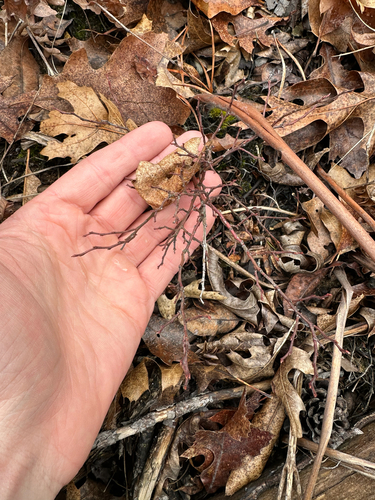
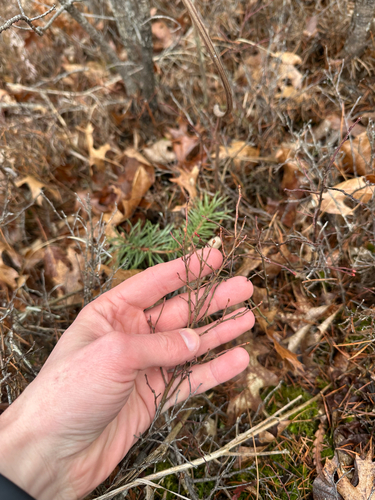
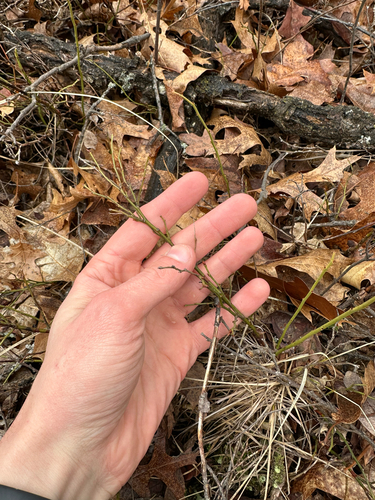
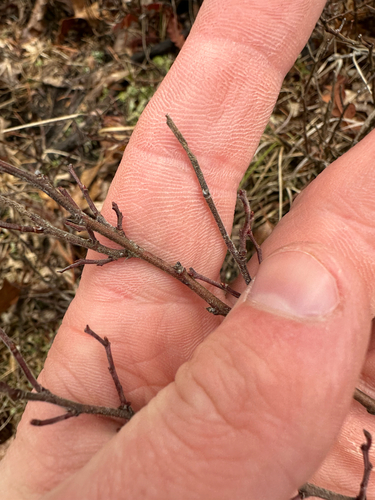
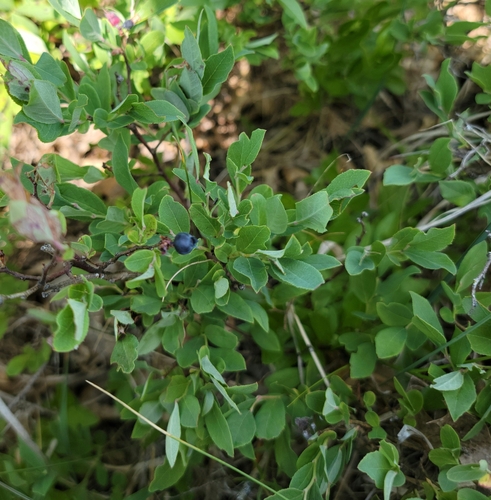
The lowbush blueberry is a small, sprawling shrub with glossy green, oval leaves that turn fiery red in fall. It produces tiny, bell-shaped white to pinkish flowers, followed by pea-sized, powdery blue to dark purple berries.
Category
PlantsRarity
Common
Danger
1/5 · Very low
Snaps
14
Did you know ancient peoples dried these berries to enjoy them all winter long?
Early American settlers made purple dye from these berries to color their clothes!
Eating blueberries can actually help your brain remember things better!
Some blueberry patches are hundreds of years old, connected by underground stems!
Lowbush blueberry has rhizomes that allow it to spread underground and survive harsh northern winters, popping up new shoots each spring.
This plant can quickly regrow from its underground roots after a forest fire, helping to bring life back to scorched lands.
Lowbush blueberry can thrive in very acidic, nutrient-poor soils where many other plants struggle to grow.
Bombus impatiens
Helps transfer pollen for berry production.
Ursus americanus
Berries are a key food source in summer.
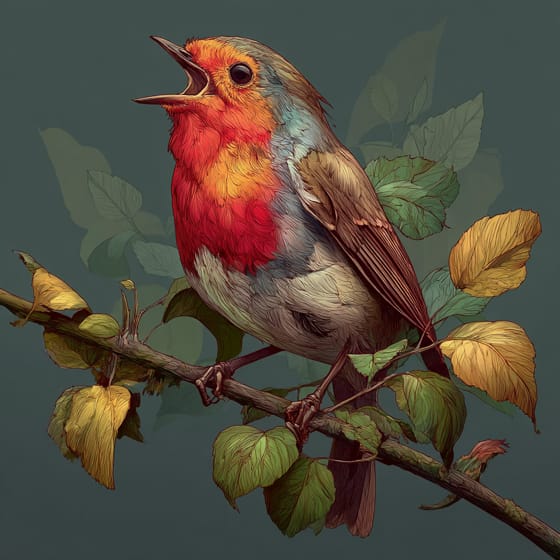
Turdus migratorius
Feeds on berries and helps disperse seeds.
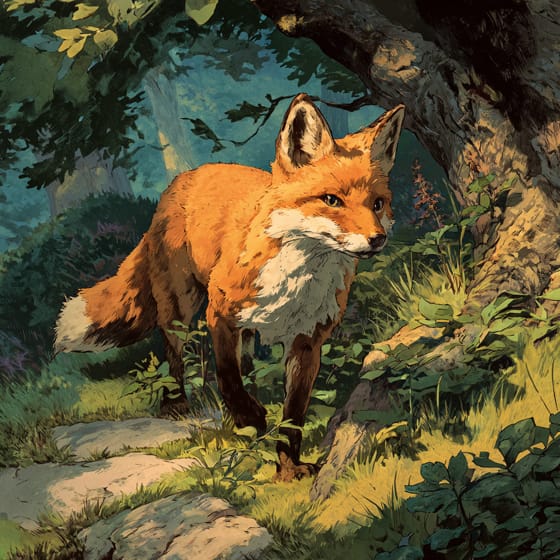
Vulpes vulpes
Sometimes eats berries, aiding in seed dispersal.
Deciduous plants periodically shed all their leaves, typically during autumn or dry seasons.
A shrub is a woody plant smaller than a tree, typically with multiple stems branching from or near the ground.
Fruit-bearing plants produce fruits, which are the mature ovaries of flowering plants containing seeds.
Medicinal plants possess chemical compounds that can be used for therapeutic purposes to treat illnesses or maintain health.

Edible plants are those parts of a plant that are considered safe for human consumption.

Describes plants that are particularly attractive and beneficial to a wide range of pollinating organisms.

Forest habitats are terrestrial environments dominated by dense tree cover, supporting a high diversity of plant and animal life.
No aliases listed yet.
Danger
1/5 · Very low
Always wash berries before eating them to make sure they are clean.
The easiest way to identify lowbush blueberry is to use the Snappit nature identifier app.
15-60 cm
30-90 cm
0.5-0.8 cm
Late spring to early summer
Yes
None
Perennial
Zoom in to split clusters and explore where this object has been snapped.
Apr 1, 2026
Five Channels DamPhoto attribution
(c) jyoung2399, some rights reserved (CC BY)
License: CC BY 4.0 ↗
Image may be shown cropped inside the card frame.
Apr 1, 2026
Five Channels DamPhoto attribution
(c) jyoung2399, some rights reserved (CC BY)
License: CC BY 4.0 ↗
Image may be shown cropped inside the card frame.
Apr 1, 2026
Five Channels DamPhoto attribution
(c) jyoung2399, some rights reserved (CC BY)
License: CC BY 4.0 ↗
Image may be shown cropped inside the card frame.
Apr 1, 2026
Five Channels DamPhoto attribution
(c) jyoung2399, some rights reserved (CC BY)
License: CC BY 4.0 ↗
Image may be shown cropped inside the card frame.
Jul 2, 2023
Canoe Landing Prairie State Natural AreaPhoto attribution
(c) aarongunnar, some rights reserved (CC BY)
License: CC BY 4.0 ↗
Image may be shown cropped inside the card frame.

New Hampshire, US
You might spot Eastern White Pine and White-Tailed Deer.
View guide →

Michigan, US
You might spot Eastern Skunk Cabbage and Kirtland's Warbler.
View guide →

Pennsylvania, US
You might spot Spotted Lanternfly and Japanese Knotweed.
View guide →

Massachusetts, US
You might spot Eastern Skunk Cabbage and Eastern Bluebird.
View guide →

Wisconsin, US
You might spot Sundial Lupine, Aurora Damsel, and Lancet Clubtail.
View guide →

Rhode Island, US
You might spot Eastern Red-Backed Salamander and American Toad.
View guide →
Take the discovery with you
Snap it with Snappit to identify it, learn what makes it special, and add the discovery to your collection.







.jpg&width=800)



_001.jpg&width=800)



