





Brown Fur Seal
Arctocephalus pusillus
Brown fur seals are playful animals found along the coasts. They love to swim and can often be seen lounging on rocks or beaches, soaking up the sun.
Habitat: Coastal areas
The Brown Fur Seal has a stocky, torpedo-shaped body covered in a dense, dark brown to greyish-brown fur coat, lighter on its underside. It possesses prominent external ear flaps and long, flexible foreflippers, making it distinct from true seals.
Category
MammalsRarity
Common
Danger
2/5 · Low
Snaps
Be the first to snap!
A group of seals on land is called a "colony"—imagine a giant seal party!
Male fur seals are often more than twice the size of females!
Sometimes, they even eat penguins or other baby seals if food is scarce.
They can climb rocks better than other seals, thanks to their strong flippers!
Brown Fur Seal can hold its breath for up to 20 minutes because of specialized blood and lungs that store lots of oxygen.
Brown Fur Seal has excellent underwater vision, using large eyes to hunt prey even in murky ocean depths.
Brown Fur Seal has two layers of dense fur that trap air, keeping its body warm in freezing cold ocean waters.
Brown Fur Seal can use its powerful front flippers to "fly" through water, making it super fast and maneuverable.
These seals are ocean hunters, eating lots of fish and squid that live in the sea.
Age differences: Pups drink milk; juveniles eat smaller prey, gradually shifting to adult diet.
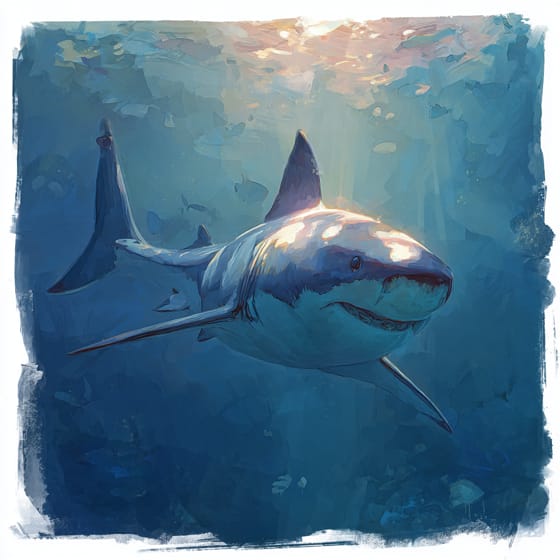
Carcharodon carcharias
Hunts seals in coastal waters.
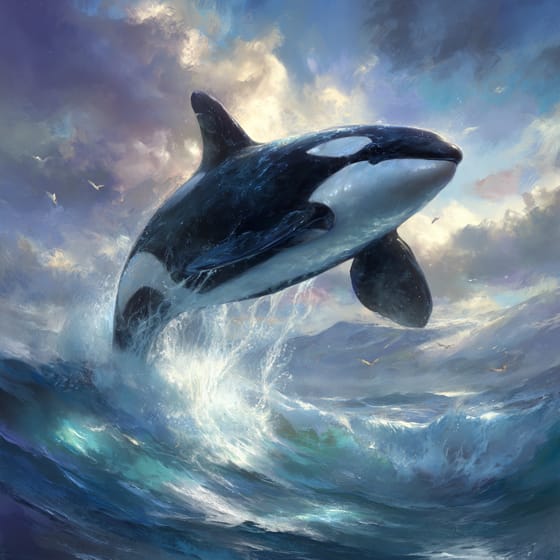
Orcinus orca
Apex predator of marine mammals.
Merluccius capensis
Primary food source fish.
%2C_Playa_de_Boulders%2C_Simon%27s_Town%2C_Sud%C3%A1frica%2C_2018-07-23%2C_DD_11.jpg&width=800)
Spheniscus demersus
Occasionally preys on penguins.
Furry describes animals possessing a dense covering of soft hair or fur.
Social animals live in organized groups, cooperating for survival benefits such as foraging, defense, and raising offspring.
Piscivorous organisms are animals that primarily subsist on a diet of fish.
Coastal habitats are dynamic environments located along the interface between land and sea, influenced by tides, waves, and saltwater.

Diurnal animals are primarily active during daylight hours, typically resting or sleeping at night.

Describes a species whose presence and role have a disproportionately large effect on its environment.

Marine habitats encompass all saltwater environments of the Earth's oceans, supporting an immense diversity of aquatic life.

Threatened status denotes a species likely to become endangered in the foreseeable future without effective conservation interventions.
Danger
2/5 · Low
Always watch from a distance and never try to touch or feed wild seals.
The easiest way to identify Brown Fur Seal is to use the Snappit nature identifier app.
150-230 cm
40-360 kg
20-25 years
19 km/h
These seals are ocean hunters, eating lots of fish and squid that live in the sea.
Coastal areas
Pursuit
Zoom in to split clusters and explore where this object has been snapped.
Recent snaps will appear here as new observations are added.
Take the discovery with you
Snap it with Snappit to identify it, learn what makes it special, and add the discovery to your collection.




.jpg&width=800)


.JPG&width=800)



.jpg&width=800)
