_(43486485104).jpg&width=800)





Brown Rove Beetle
Platydracus maculosus
The Brown Rove Beetle is a small, shiny bug that loves to hide under leaves and logs. It has a unique shape and can be very quick when it moves around, making it fun to spot in nature!
Habitat: Forests
The Brown Rove Beetle has an elongated, somewhat flattened body, typically dark brown to black. Its most distinctive feature is its very short wing covers (elytra) that expose most of its flexible abdomen, often with distinctive yellowish-orange markings.
Category
InsectsRarity
Common
Danger
1/5 · Very low
Snaps
6
Despite having very short wing covers, it can unfurl full-sized wings for flight in a blink!
Its larvae are also fierce predators, hunting other small invertebrates in soil and leaf litter.
Rove beetles have extremely flexible bodies, allowing them to squeeze into tiny cracks and crevices.
They are important pest controllers, helping protect crops and gardens from harmful insects.
Brown Rove Beetle can raise its abdomen and pinch with its tail-like cerci, mimicking a scorpion to deter predators.
Brown Rove Beetle can run incredibly fast and take flight in an instant to escape danger or chase its prey.
Brown Rove Beetle can release a foul-smelling chemical from its abdomen that makes it taste bad to hungry predators.
This active hunter eats smaller insects and other invertebrates, helping to control garden pests!
Musca domestica
Feeds on larvae

Helix aspersa
Preys on young snails
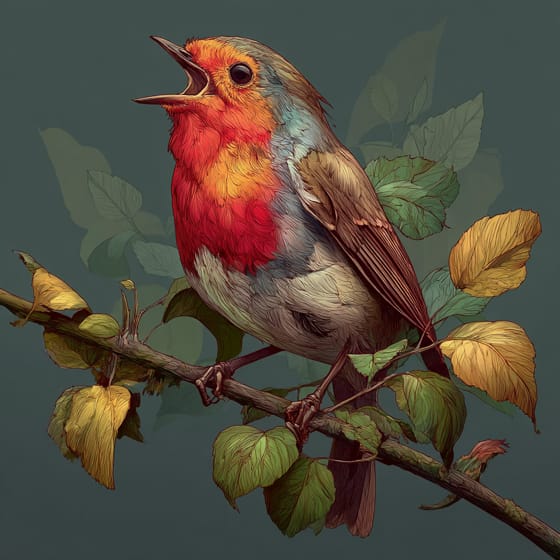
Turdus migratorius
A common bird predator
Anolis carolinensis
Lizard preys on adults
Marked with spots or patches of a different color.
Solitary animals live alone for most of their lives, only interacting with others for mating or parental care.
This trait identifies organisms whose diet primarily consists of insects and other small invertebrates.
Describes organisms that break down dead organic material, recycling nutrients back into the ecosystem.

Forest habitats are terrestrial environments dominated by dense tree cover, supporting a high diversity of plant and animal life.

This trait identifies organisms whose diet consists entirely or primarily of animal tissue.

Pertaining to species that are significantly smaller than typical or average for their kind.

This trait identifies organisms that exhibit exceptional swiftness in movement for hunting, escape, or travel.
No aliases listed yet.
Danger
1/5 · Very low
Be gentle and watch where you step when exploring nature; insects are small and can be easily hurt.
The easiest way to identify Brown Rove Beetle is to use the Snappit nature identifier app.
30-50 mm
15-25 mm
150-300 days
15 km/h
This active hunter eats smaller insects and other invertebrates, helping to control garden pests!
Forests
Pursuit
Zoom in to split clusters and explore where this object has been snapped.

Indiana, US
You might spot Monarch, Black Swallowtail, and American Pokeweed.
View guide →
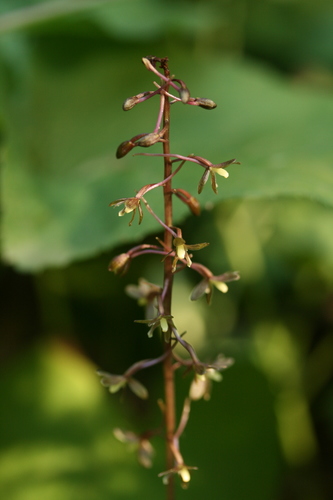
Virginia, US
You might spot Crane-Fly Orchid, Wild Geranium, and Cutleaf Coneflower.
View guide →

Ohio, US
You might spot Toadshade, Virginia Springbeauty, and Dutchman's Breeches.
View guide →

Virginia, US
You might spot Common Eastern Bumble Bee and Eastern Gray Squirrel.
View guide →

New York, US
You might spot Canada Goose, Mute Swan, and Atlantic Horseshoe Crab.
View guide →

Vermont, US
You might spot Osprey, Great Blue Heron, and Wood Duck.
View guide →
Take the discovery with you
Snap it with Snappit to identify it, learn what makes it special, and add the discovery to your collection.









.jpg&width=800)



