





Browne'S Blechum
ruellia blechum
Browne's Blechum is a vibrant plant with beautiful purple flowers that attract butterflies! It grows in clusters, making it a lovely sight in gardens and natural habitats.
Habitat: Browne's Blechum typically lives in tropical and subtropical regions, often found in gardens, along roadsides, and in open woodlands.
The Browne'S Blechum is a low-growing plant with vibrant purple or lavender, trumpet-shaped flowers, often featuring a white throat. Its dark green, somewhat crinkled leaves grow in opposing pairs, forming a dense groundcover.
Category
PlantsRarity
Common
Danger
0/5 · No known danger
Snaps
Be the first to snap!
Each delicate flower typically opens for only a single sunny day before it wilts!
In some places, this plant is used as a natural, low-maintenance groundcover!
It's often a 'pioneer species,' quickly colonizing disturbed soil after big events.
Its stem joints can easily root if they touch the ground, creating new plants!
Browne'S Blechum has a strong root system that helps it regrow quickly after being cut or disturbed.
Browne'S Blechum can thrive in both full sun and partial shade, allowing it to grow in many places.
Apis mellifera
visits flowers for nectar and pollen
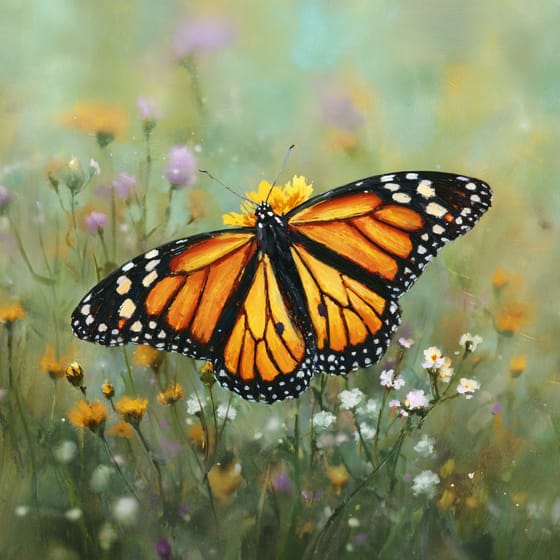
Danaus plexippus
a common visitor to its blooms
Pachyzancla bipunctalis
larvae feed on the leaves
Colorful describes organisms or objects displaying a wide range of bright and distinct colors.
This trait characterizes organisms whose diet consists entirely or primarily of plant material.
Forest habitats are terrestrial environments dominated by dense tree cover, supporting a high diversity of plant and animal life.
Diurnal animals are primarily active during daylight hours, typically resting or sleeping at night.

Describes organisms that transfer pollen, enabling the fertilization and reproduction of plants.
Danger
0/5 · No known danger
No special safety notes yet.
The easiest way to identify Browne'S Blechum is to use the Snappit nature identifier app.
15-60 cm
30-60 cm
1-2 cm
Year-round in tropical climates, summer to fall elsewhere
No
None
Perennial
Zoom in to split clusters and explore where this object has been snapped.
Recent snaps will appear here as new observations are added.
Take the discovery with you
Snap it with Snappit to identify it, learn what makes it special, and add the discovery to your collection.








.jpg&width=800)



_001.jpg&width=800)




