

Aloe Vera
El Dorado Park, a sprawling urban oasis in Long Beach, California, is a true testament to nature's enduring beauty within a bustling cityscape.
El Dorado Park, a sprawling urban oasis in Long Beach, California, is a true testament to nature's enduring beauty within a bustling cityscape. Encompassing hundreds of acres, this multi-faceted regional park offers a remarkable blend of recreational amenities and a tranquil nature preserve. Its crown jewel, the El Dorado Nature Center, provides a serene escape, where visitors can immerse themselves in diverse habitats, leaving the urban clamor behind. It's a place where the vibrant life of Southern California's flora and fauna flourishes, inviting exploration and appreciation.
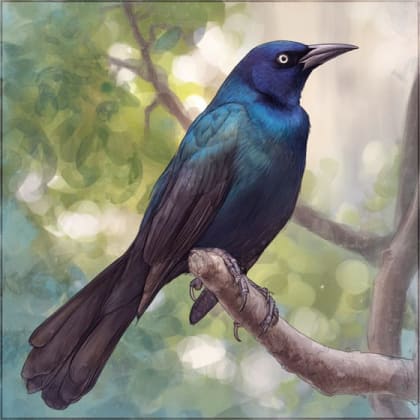
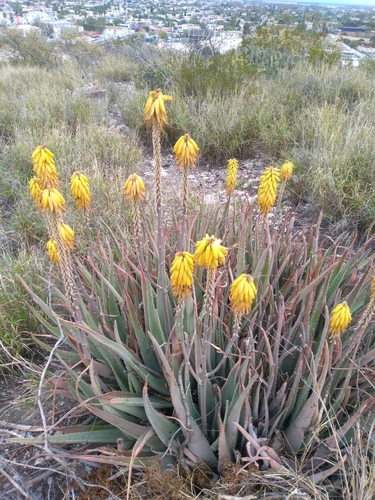
The El Dorado Nature Center, a 105-acre sanctuary within the larger park, features over two miles of trails winding around two serene lakes, a meandering stream, and forested areas. Here, you can encounter a rich variety of wildlife, from the subtle beauty of a Red Admiral butterfly fluttering among native plants like Aloe Vera and Spineless Yucca, to the majestic sight of a Red-shouldered Hawk soaring overhead. Keep an eye out for the vibrant plumage of a Northern Cardinal or the distinctive calls of a Common Grackle, while the Eastern Screech-Owl may be heard as dusk settles. Diverse habitats support numerous bird species, turtles, rabbits, and other local creatures, making every visit a unique wildlife observation opportunity.
Visiting El Dorado Park and its Nature Center offers a memorable experience for all. Whether you're seeking a peaceful stroll amidst nature, an active day of outdoor recreation, or a chance to connect with local wildlife, this park delivers. It's a place where families can explore together, birdwatchers can delight in migratory and resident species, and photographers can capture stunning natural beauty, from the delicate Melissodes bee collecting nectar to the grandeur of a Taiwanese Rain Tree. The combination of active park facilities and a dedicated nature preserve ensures there's something to captivate every visitor, making it a cherished natural haven. Enhance your adventure: download the Snappit app to identify the local species you encounter.
The genesis of El Dorado Park is rooted in a post-World War II vision for recreational spaces in Long Beach, California. The initial land for the park was acquired by the City of Long Beach, significantly financed by bond money in the 1950s and '60s. Much of the varied topography of the park, including its hills and lakes, was formed from soil excavated during the construction of the San Gabriel Freeway in the mid-1960s. The larger El Dorado Regional Park officially opened in 1964. The El Dorado Nature Center, a distinct 105-acre section within the regional park, was specifically developed from former bean and sugar beet fields. In the late 1960s, a deliberate effort was made to transform this area into a wildlife habitat by digging lakes, creating hills, and planting thousands of trees and shrubs. The Nature Center opened to the public on May 17, 1969, providing a vital sanctuary for animals and plants, even attracting native species like foxes, opossums, and numerous birds by its opening.
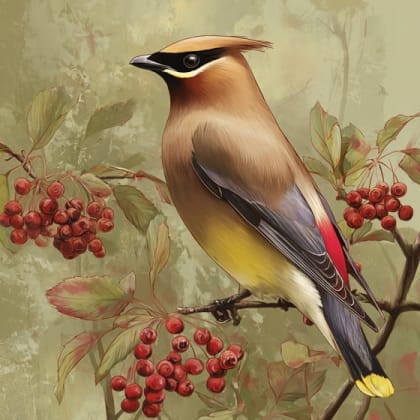
Enjoy nature walks, go birdwatching for species like the Cedar Waxwing and Baltimore Oriole, picnic by the lakes, cycle on paved bike trails, try fishing in the stocked lakes (license required for 16+), or engage in various sports like disc golf, tennis, or soccer in other areas of the park.
The Nature Center hosts seasonal events, such as a "Howl-o-Ween Festival" in the fall. Animal sightings can vary by season, with migratory birds passing through at different times of the year.
The El Dorado Nature Center features a 1/4 mile paved loop trail directly outside the Visitor Center, providing a smooth, accessible surface suitable for strollers or wheelchairs. The broader El Dorado Park also has planned ADA pathway improvements.
Walk its tranquil trails, visit the Visitor Center with educational displays, and browse the gift shop.
Picturesque waterways ideal for wildlife viewing and photography.
A dedicated area for archery enthusiasts, which even hosted the 1984 Olympic competition.
A mini amusement park with a train ride and carousel, popular with families.
Each card links to a full Explore page with photos, traits, and fun facts.
Start with the big picture, then zoom in to explore individual wildlife observations around this place.
Check Operating Hours
Always verify the specific hours for the El Dorado Nature Center and the main park, as they may differ, and the Nature Center is typically closed on Mondays.
Bring Water and Snacks
Especially during warmer months or for longer visits, ensure you have enough hydration. While there's a gift shop in the Nature Center, food is generally not allowed inside.
Wear Comfortable Shoes
The trails, especially the dirt ones, are best navigated in appropriate footwear.
Visit Early for Wildlife
Arriving in the morning often provides the best opportunities for spotting active wildlife and birds.
Utilize the Visitor Center
Stop at the Nature Center's Visitor Center for maps, bird spotting checklists, and educational exhibits.
Parking Fees
Be aware that there is a vehicle entrance fee for El Dorado Park. Save your receipt if you plan to visit different sections of the park on the same day.
Mar 1, 2026
Mar 1, 2026
Feb 28, 2026
Feb 28, 2026
Feb 21, 2026

Maryland, US
You might spot White-Tailed Deer and Eastern Gray Squirrel.
View guide →
.jpg)
District of Columbia, US
You might spot Eastern Gray Squirrel, Duck, and House Sparrow.
View guide →

Illinois, US
You might spot American Robin, Canada Goose, and House Sparrow.
View guide →

Virginia, US
You might spot Spotted Lanternfly and Northern Cardinal.
View guide →
Take the discovery with you
Identify the wildlife you spot, learn as you go, and keep a collection of the adventure.