





bulblet fern
Cystopteris bulbifera
The bulblet fern is a small, leafy plant that grows in shady places. It has tiny bulbs that can grow into new ferns, making it special and fun to find in the wild!
Habitat: Forests
The bulblet fern has delicate, bright green fronds that are twice-divided, giving them a lacy appearance. Its slender, often reddish stems support many small, lime-green bulblets found on the underside of the fronds, making it visually distinct from other ferns.
Category
PlantsRarity
Common
Danger
1/5 · Very low
Snaps
4
It doesn't have flowers or seeds, but spreads using dust-like spores and tiny plantlets!
Its name, *Cystopteris*, means 'bladder fern' because of its unique spore covers!
The bulblet fern loves to grow on rocky cliffs, often hanging upside down!
This fern can grow directly from tiny plantlets that fall off its leaves!
Bulblet fern can grow new plants from tiny bulblets that drop off its fronds, helping it spread easily without seeds.
Bulblet fern has strong rhizomes that anchor it firmly to rocky cliffs, helping it thrive in seemingly impossible places.
Bulblet fern releases microscopic spores from its fronds, which can travel by wind to start new ferns far away.

Odocoileus virginianus
Deer may browse its fronds.

Arion ater
Slugs may graze on its delicate fronds.
Formica rufa
Ants might find cover among its fronds.
Shade tolerant plants are adapted to grow and thrive in areas with low light levels, requiring less direct sunlight.
Spore-producing organisms reproduce by releasing small, often single-celled, reproductive units called spores.
Edible plants are those parts of a plant that are considered safe for human consumption.
Forest habitats are terrestrial environments dominated by dense tree cover, supporting a high diversity of plant and animal life.
No aliases listed yet.
Danger
1/5 · Very low
Always look but don't touch wild plants without asking an adult.
The easiest way to identify bulblet fern is to use the Snappit nature identifier app.
30-90 cm
No
None
Perennial
Forests
Zoom in to split clusters and explore where this object has been snapped.

Massachusetts, US
You might spot Maidenhair Spleenwort and Red Trillium.
View guide →
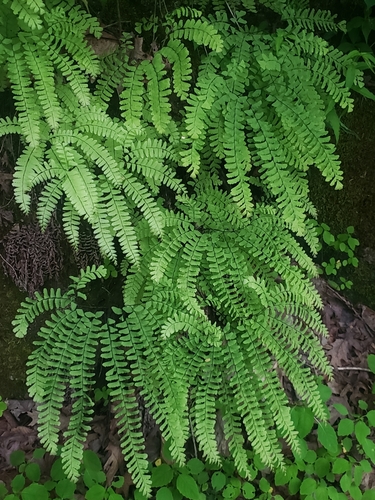
Iowa, US
You might spot Northern Maidenhair Fern and Wood Nettle.
View guide →

West Virginia, US
You might spot Virginia Bluebells, Bloodroot, and Maidenhair Spleenwort.
View guide →

New York, US
You might spot Box Elder, Garter Snake, and Common Milkweed.
View guide →
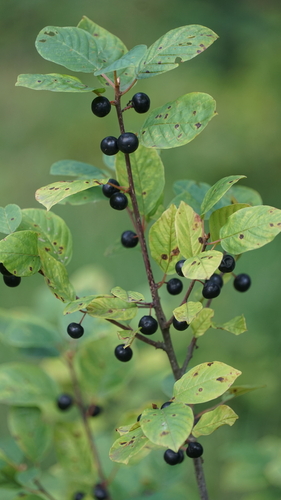
Michigan, US
You might spot Alder Buckthorn, Bulblet Fern, and Western Poison Ivy.
View guide →
Take the discovery with you
Snap it with Snappit to identify it, learn what makes it special, and add the discovery to your collection.








.jpg&width=800)



_001.jpg&width=800)


