





Bunchleaf Penstemon
Penstemon heterophyllus
The Bunchleaf Penstemon is a beautiful flower with bright purple blooms. It grows in clusters and attracts butterflies and bees, making gardens lively and colorful!
Habitat: Mountain regions
The Bunchleaf Penstemon has vibrant blue-purple to lavender, tubular flowers clustered on upright stems. Its unique leaves vary from broad, basal bunches to narrower, scattered ones higher up, giving it a distinct layered look.
Category
PlantsRarity
Common
Danger
1/5 · Very low
Snaps
Be the first to snap!
It's a champion at growing on dry, sunny slopes.
Its scientific name, 'heterophyllus,' means 'different leaves'!
Some Penstemons are called 'beard-tongues' for fuzzy stamens!
The tiny seeds can stay dormant for years, waiting for rain!
Its tubular, vivid blue-purple flowers are perfectly shaped to attract specific long-tongued bees, ensuring successful pollination.
This plant can quickly re-sprout from its tough rootstock after a wildfire, helping it reclaim its territory.

Bombus vosnesenskii
Visits flowers for nectar and pollen, aiding reproduction.
Osmia californica
Collects pollen and nectar, playing a key role in dispersal.
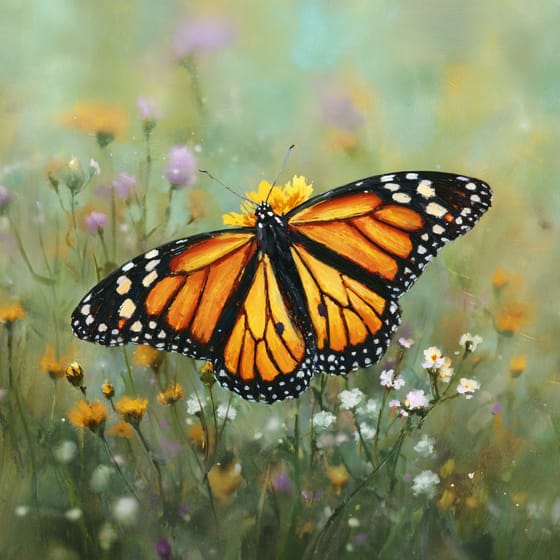
Danaus plexippus
Nectars on flowers, helping carry pollen to other plants.
Flowering plants are any plants that produce flowers as part of their reproductive cycle.
Cluster flowers are inflorescences where individual flowers are arranged closely together on a common stem.
Spring blooming plants produce their flowers during the spring season, often signifying the end of winter and the start of new growth.
Summer blooming plants produce their flowers during the summer season, often providing vibrant color when many other plants have finished.

Drought-tolerant plants can survive and flourish in conditions with limited water availability.

Colorful describes organisms or objects displaying a wide range of bright and distinct colors.

Describes plants that are particularly attractive and beneficial to a wide range of pollinating organisms.

This habitat trait identifies species found in mountainous regions, characterized by high elevation, steep slopes, and varying climate zones.
No aliases listed yet.
Danger
1/5 · Very low
Always look but don't touch flowers unless a grown-up says it's okay!
The easiest way to identify Bunchleaf Penstemon is to use the Snappit nature identifier app.
30-90 cm
30-60 cm
2-3 cm
Late spring to early summer
No
None
Perennial
Zoom in to split clusters and explore where this object has been snapped.
Recent snaps will appear here as new observations are added.
Take the discovery with you
Snap it with Snappit to identify it, learn what makes it special, and add the discovery to your collection.








.jpg&width=800)



_001.jpg&width=800)




